Introduction: The Evolving Landscape of Neurological Pain Management
Throughout my two decades of clinical practice, I’ve witnessed a dramatic transformation in how we approach chronic neurological conditions. Patients presenting with burning, shooting pains radiating down their extremities or those living with the constant threat of seizure activity require nuanced, multifaceted treatment approaches that extend far beyond simple symptom suppression.
The intersection of neuropathic pain and seizure disorders represents one of medicine’s most challenging therapeutic territories. Both conditions share underlying mechanisms involving aberrant neuronal excitability, yet each demands precision in treatment selection, dosing protocols, and long-term monitoring strategies.
As we progress through 2026, our understanding of these conditions has deepened considerably. New biomarkers, refined diagnostic imaging protocols, and pharmacogenomic testing now allow us to personalize interventions in ways that were merely theoretical just five years ago.
Understanding Neuropathic Pain: Mechanisms and Clinical Presentations in 2026
The Pathophysiology of Nerve Pain
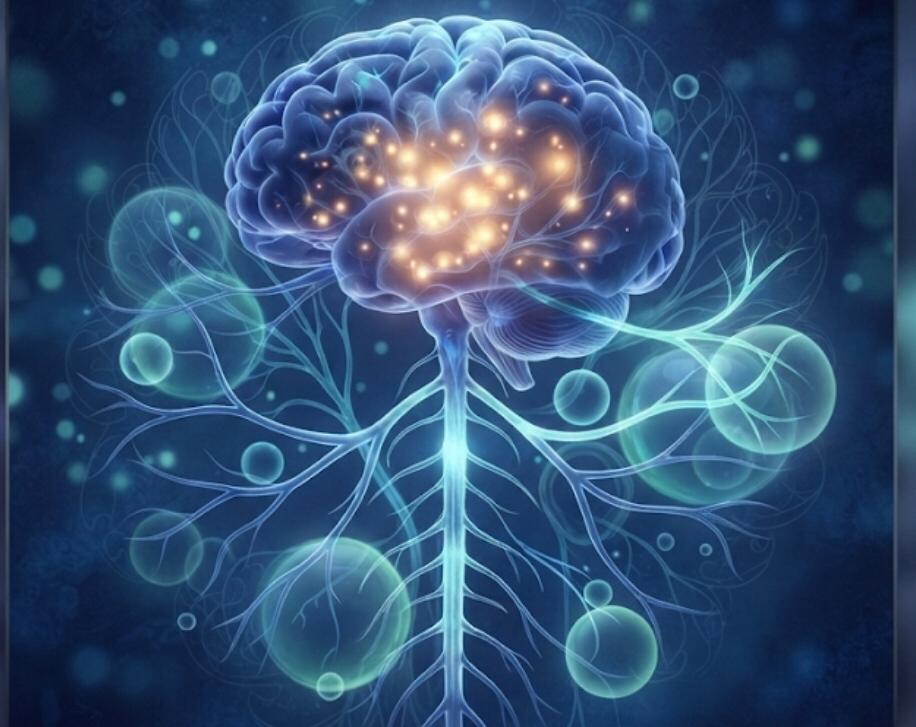
Neuropathic pain fundamentally differs from nociceptive pain the protective signal your body sends when you touch a hot stove. Instead, this represents a malfunction within the nervous system itself, where damaged or dysfunctional nerve fibers send incorrect pain signals to processing centers in the brain and spinal cord.
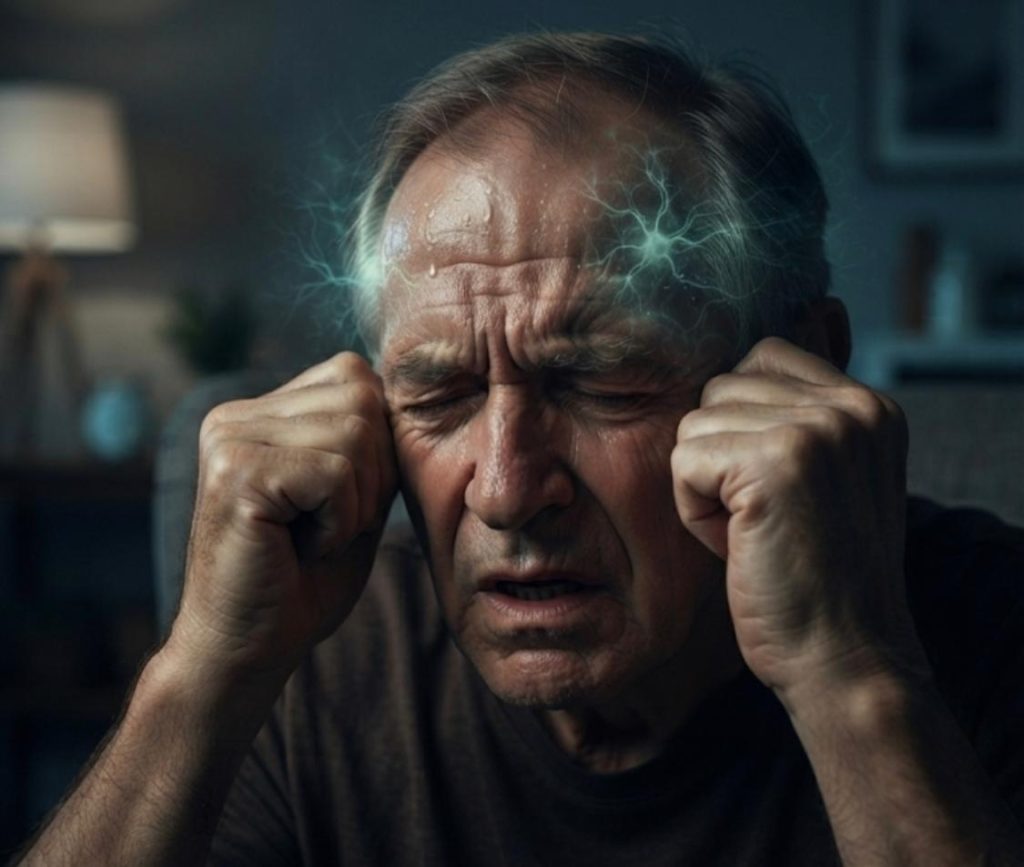
In my practice, I’ve observed patients describe this sensation in remarkably consistent terms: electric shocks, burning sensations, stabbing pains, or a persistent “pins and needles” feeling that disrupts sleep, work, and quality of life.
Primary Mechanisms Driving Neuropathic Pain
- Peripheral Sensitization: Damaged nerve endings develop abnormal sodium channel expression, spontaneously firing without provocation
- Central Sensitization: Spinal cord neurons become hyperexcitable, amplifying incoming signals
- Neuroinflammatory Cascades: Microglial activation releases pro-inflammatory cytokines that perpetuate pain signaling
- Descending Inhibition Dysfunction: The brain’s natural pain-dampening pathways become impaired
Common Etiologies Encountered in Clinical Practice
Diabetic Peripheral Neuropathy
Approximately 50% of diabetes patients eventually develop nerve damage, typically beginning in the feet and ascending proximally. I’ve treated countless patients whose first indication of uncontrolled glucose levels was the development of painful neuropathy.
Postherpetic Neuralgia
Following shingles outbreaks, some individuals develop persistent pain along the affected dermatome. One patient I treated described this as “wearing a belt of fire” around his torso a vivid description that captures the condition’s severity.
Chemotherapy-Induced Peripheral Neuropathy
Modern cancer treatments save lives but frequently damage peripheral nerves. The challenge here involves balancing pain management without interfering with ongoing oncological care.
Post-Surgical and Traumatic Nerve Injury
Physical disruption of nerve pathways creates unique management challenges, often requiring interdisciplinary approaches combining pharmacotherapy with interventional procedures.
The Spectrum of Epileptic Conditions
Seizures represent abnormal, excessive, synchronous neuronal discharges in the brain. Having managed patients across the entire seizure spectrum from absence seizures lasting mere seconds to generalized tonic-clonic events with profound postictal confusion I’ve developed deep respect for how individualized treatment must be.
Focal (Partial) Seizures
These originate in specific brain regions. I recall a patient whose temporal lobe epilepsy manifested as recurring episodes of intense déjà vu followed by lip-smacking automatisms subtle presentations that had been dismissed as psychological for years before proper diagnosis.
Generalized Seizures
These involve both cerebral hemispheres from onset. The various subtypes absence, myoclonic, tonic, clonic, tonic-clonic, and atonic each carry distinct therapeutic implications.
The Neurobiological Basis of Seizure Activity
Seizures arise from imbalances between excitatory and inhibitory neurotransmission. Excessive glutamatergic activity or insufficient GABAergic inhibition can trigger the synchronous hyperexcitability characteristic of epileptic discharges.
Evidence-Based Treatment Protocols for 2026
Pharmacological Management: First-Line Approaches
The cornerstone of managing both neuropathic pain and seizure disorders remains appropriate pharmacotherapy. However, medication selection requires careful consideration of mechanism of action, side effect profiles, drug interactions, and individual patient factors.
Anticonvulsants in Neuropathic Pain Management
Several medications initially developed for seizure control have demonstrated remarkable efficacy in neuropathic pain states. This makes physiological sense given the shared pathophysiology of neuronal hyperexcitability.
Gabapentinoids
This medication class modulates calcium channels at presynaptic terminals, reducing the release of excitatory neurotransmitters. I’ve observed consistent benefits in patients with diabetic neuropathy, postherpetic neuralgia, and various other neuropathic conditions.
Voltage-Gated Sodium Channel Blockers
Medications like carbamazepine and oxcarbazepine stabilize neuronal membranes, preventing the repetitive firing characteristic of both seizures and neuropathic pain.
Comparative Analysis: Treatment Modalities
| Treatment Category | Neuropathic Pain Efficacy | Seizure Prevention Efficacy | Typical Onset | Major Considerations |
|---|---|---|---|---|
| Gabapentinoids | Excellent for peripheral neuropathies | Good for focal seizures | 1-2 weeks | Requires renal dose adjustment |
| Tricyclic Antidepressants | Excellent for various types | Not indicated | 2-4 weeks | Anticholinergic effects limit use |
| SNRIs | Moderate to good | Not indicated | 2-6 weeks | Better tolerated than TCAs |
| Topical Agents | Good for localized pain | Not applicable | Immediate | Minimal systemic effects |
| Traditional Anticonvulsants | Variable | Excellent | Variable | Requires therapeutic monitoring |
Non-Pharmacological Interventions
Physical and Occupational Therapy
Structured rehabilitation programs address functional limitations while reducing pain through graded exercise and desensitization protocols.
Neuromodulation Techniques
Spinal cord stimulation, dorsal root ganglion stimulation, and peripheral nerve stimulation have revolutionized treatment for refractory cases. I’ve referred numerous patients for these interventions after exhausting conservative options, with many achieving substantial pain reduction.
Psychological and Behavioral Approaches
Cognitive-behavioral therapy, acceptance and commitment therapy, and mindfulness-based stress reduction complement medical management. Pain neuroscience education helps patients understand their condition, reducing catastrophizing and improving coping strategies.
Neurontin (Gabapentin): Comprehensive Clinical Profile and Safe Acquisition
Therapeutic Applications and Mechanisms
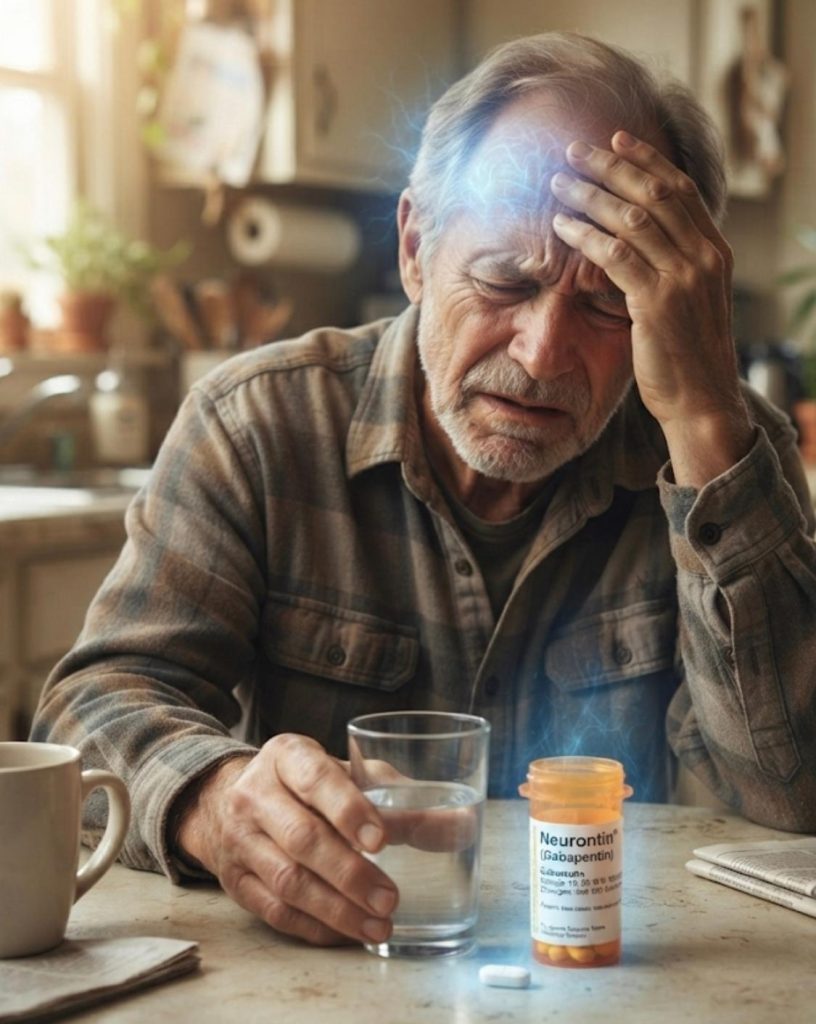
Neurontin, known generically as gabapentin, represents one of the most extensively studied and prescribed medications for both neuropathic pain and adjunctive seizure management. Its mechanism involves binding to the alpha-2-delta subunit of voltage-gated calcium channels, thereby modulating neurotransmitter release and reducing neuronal excitability.
In my clinical experience spanning thousands of patient encounters, Neurontin has proven invaluable across diverse presentations. I’ve prescribed it for diabetic neuropathy, postherpetic neuralgia, fibromyalgia-associated pain, and as adjunctive therapy in partial seizures with remarkable success rates when properly dosed and monitored.
Dosing Strategies and Titration Protocols
Neurontin requires gradual titration to therapeutic levels. I typically initiate treatment at 300 mg at bedtime, escalating over 1-2 weeks to reach effective doses ranging from 1800-3600 mg daily in divided doses. This gradual approach minimizes common side effects like dizziness and somnolence.
The medication’s relatively favorable safety profile compared to older anticonvulsants makes it particularly suitable for elderly patients and those with multiple comorbidities populations I frequently treat.
Safe and Legitimate Access to Neurontin
For patients seeking to purchase Neurontin online or acquire prescription Neurontin through legitimate channels, several critical considerations ensure safety and therapeutic effectiveness.
When you buy Neurontin online, verification of pharmacy credentials is paramount. Only secure a supply through platforms certified by the National Association of Boards of Pharmacy (NABP) Verified Internet Pharmacy Practice Sites (VIPPS) program. These accredited sources guarantee authentic medication manufactured under stringent quality standards.
To purchase Neurontin safely, patients should:
- Obtain a valid prescription from a licensed healthcare provider following proper evaluation
- Verify the online pharmacy displays VIPPS certification or equivalent regulatory approval
- Confirm the pharmacy requires prescription submission before dispensing
- Check that licensed pharmacists are available for consultation
- Ensure secure payment processing and privacy protection
I counsel all patients that attempting to buy prescription Neurontin from unverified international sources risks receiving counterfeit products containing incorrect active ingredients, dangerous contaminants, or improper dosing. The financial savings never justify the medical risks.
Reputable platforms that allow you to purchase Neurontin online typically offer competitive pricing while maintaining all safety standards. Many provide home delivery services particularly beneficial for patients with mobility limitations a significant proportion of those suffering neuropathic pain.
Lifestyle Modifications and Trigger Management
Many patients experience seizures precipitated by specific factors. Through detailed history-taking, I’ve helped numerous individuals identify and mitigate personal triggers:
- Sleep hygiene: Ensuring 7-9 hours of quality sleep nightly
- Stress management: Implementing relaxation techniques and avoiding excessive pressure
- Alcohol avoidance: Even moderate consumption can lower seizure threshold
- Medication adherence: Using pill organizers, smartphone reminders, and establishing routines
- Photosensitivity precautions: For susceptible individuals, avoiding strobe lights and excessive screen time
Ketogenic Diet and Metabolic Approaches
The ketogenic diet high fat, adequate protein, very low carbohydrate has demonstrated remarkable efficacy in refractory epilepsy, particularly in pediatric populations. While challenging to maintain, I’ve witnessed dramatic seizure reduction in patients committed to this intervention.
Modified Atkins diet protocols offer similar benefits with greater flexibility, improving adherence rates while maintaining therapeutic ketosis.
Surgical Interventions for Refractory Cases
When medications fail to control seizures adequately, neurosurgical evaluation becomes appropriate. Procedures range from focal resection of epileptogenic tissue to corpus callosotomy and hemispherectomy in severe cases.
Vagus nerve stimulation and responsive neurostimulation devices represent less invasive options that have expanded our treatment arsenal considerably.
The Multidisciplinary Team Model
In my practice, optimal outcomes emerge from collaborative care involving neurologists, pain specialists, physical therapists, psychologists, and primary care physicians. Regular case conferences ensure coordinated treatment plans addressing all aspects of these complex conditions.
Personalized Medicine and Pharmacogenomics
Genetic testing now informs medication selection for seizure disorders. HLA-B*1502 screening before prescribing carbamazepine in Asian populations prevents severe cutaneous reactions. CYP450 genotyping predicts metabolism patterns, allowing dosing optimization.
Similar advances in neuropathic pain management help identify individuals likely to respond to specific medication classes, reducing the trial-and-error approach that historically frustrated patients and providers alike.
Pediatric Considerations
Treating children requires weight-based dosing calculations, careful monitoring of cognitive effects, and age-appropriate education. I’ve learned that involving parents as active partners in treatment dramatically improves adherence and outcomes.
Geriatric Patients
Elderly individuals present unique challenges: altered pharmacokinetics, polypharmacy risks, increased fall risk with sedating medications, and cognitive vulnerability. I typically employ “start low, go slow” principles, using lower doses and extended titration periods.
Pregnancy and Women of Childbearing Potential
Pregnancy planning discussions are essential for women with seizure disorders or chronic stress y pain conditions. Certain anticonvulsants carry teratogenic risks, necessitating careful medication review before conception. I collaborate closely with obstetricians to balance maternal health with fetal safety.
Emerging Therapies and Future Directions
Novel Pharmacological Targets
Research in 2026 focuses on medications modulating previously unexplored pathways:
- Neuroinflammation modulators: Targeting microglial activation and cytokine signaling
- Sodium channel subtype-selective blockers: Offering improved efficacy with fewer side effects
- CRISPR-based gene therapies: Addressing genetic epilepsies at their molecular source
Advanced Neuromodulation Techniques
Closed-loop systems that detect seizure onset and deliver targeted stimulation represent the cutting edge of epilepsy management. Similar technologies adapted for pain management show promise in early trials.
Regenerative Medicine Approaches
Stem cell therapies and nerve growth factor administration may eventually repair damaged peripheral nerves, addressing neuropathic pain at its source rather than merely suppressing symptoms. Health and pain management are very important.
Self-Management Skills
I dedicate considerable consultation time teaching patients to:
- Recognize early warning signs of condition worsening
- Maintain detailed symptom diaries
- Understand their medications’ mechanisms and side effects
- Implement non-pharmacological pain management techniques
- Communicate effectively with healthcare providers
Support Resources and Community
Connecting patients with advocacy organizations like the Epilepsy Foundation and peripheral neuropathy support groups provides invaluable peer support and educational resources.
| Outcome Domain | Assessment Tools | Treatment Goals | Monitoring Frequency |
|---|---|---|---|
| Pain Intensity | Numerical Rating Scale, Brief Pain Inventory | ≥30% reduction from baseline | Every visit |
| Seizure Frequency | Patient diary, caregiver reports | 50-100% reduction; seizure freedom when possible | Monthly initially, then quarterly |
| Functional Capacity | Pain Disability Index, Quality of Life in Epilepsy | Return to work/activities | Quarterly |
| Medication Tolerability | Side Effect Checklist | No moderate-severe adverse effects | Every visit |
| Mood and Cognition | PHQ-9, GAD-7, MoCA | Scores in normal range | Quarterly |
Frequently Asked Questions
What is the most effective treatment for neuropathic pain in 2026?
The most effective treatment combines gabapentinoid medications like Neurontin or pregabalin with non-pharmacological interventions including physical therapy, psychological support, and in some cases neuromodulation techniques, tailored to individual patient factors and pain etiology.
How quickly do anticonvulsants work for seizure prevention?
Anticonvulsants typically require 2-4 weeks at therapeutic doses to achieve steady-state levels and maximum seizure protection, though some patients experience benefit earlier; consistent daily adherence is essential for maintaining protective drug levels.
Can I buy Neurontin online safely for neuropathic pain treatment?
Yes, you can purchase Neurontin online safely through VIPPS-certified pharmacies that require valid prescriptions, verify licensing, and employ licensed pharmacists; always avoid unverified international sources to ensure receiving authentic medication and proper medical oversight.
What lifestyle changes help prevent seizures?
The most impactful lifestyle modifications include maintaining consistent sleep schedules with 7-9 hours nightly, avoiding alcohol and recreational drugs, managing stress through relaxation techniques, taking medications exactly as prescribed, and identifying and avoiding individual seizure triggers.
Are there non-medication options for severe neuropathic pain?
Yes, non-medication options for severe refractory neuropathic pain include spinal cord stimulation, dorsal root ganglion stimulation, peripheral nerve blocks, physical and occupational therapy, cognitive-behavioral therapy, and in specific cases, surgical decompression of entrapped nerves.
Conclusion: An Integrated Approach to Complex Neurological Conditions
Managing neuropathic pain and preventing seizures requires sophisticated clinical judgment, patience, and partnership between healthcare providers and patients. The expanding therapeutic arsenal available in 2026 from refined pharmacological agents to cutting-edge neuromodulation and emerging regenerative approaches offers genuine hope for improved quality of life.
Throughout my career, I’ve learned that success rarely comes from a single intervention. Rather, it emerges from thoughtfully combining evidence-based treatments, addressing psychological and social dimensions, and empowering patients as active participants in their care.
The conditions discussed in this article can be life-altering, but they need not be life-defining. With proper diagnosis, individualized treatment, and committed follow-through, most patients achieve meaningful symptom reduction and return to valued activities.