
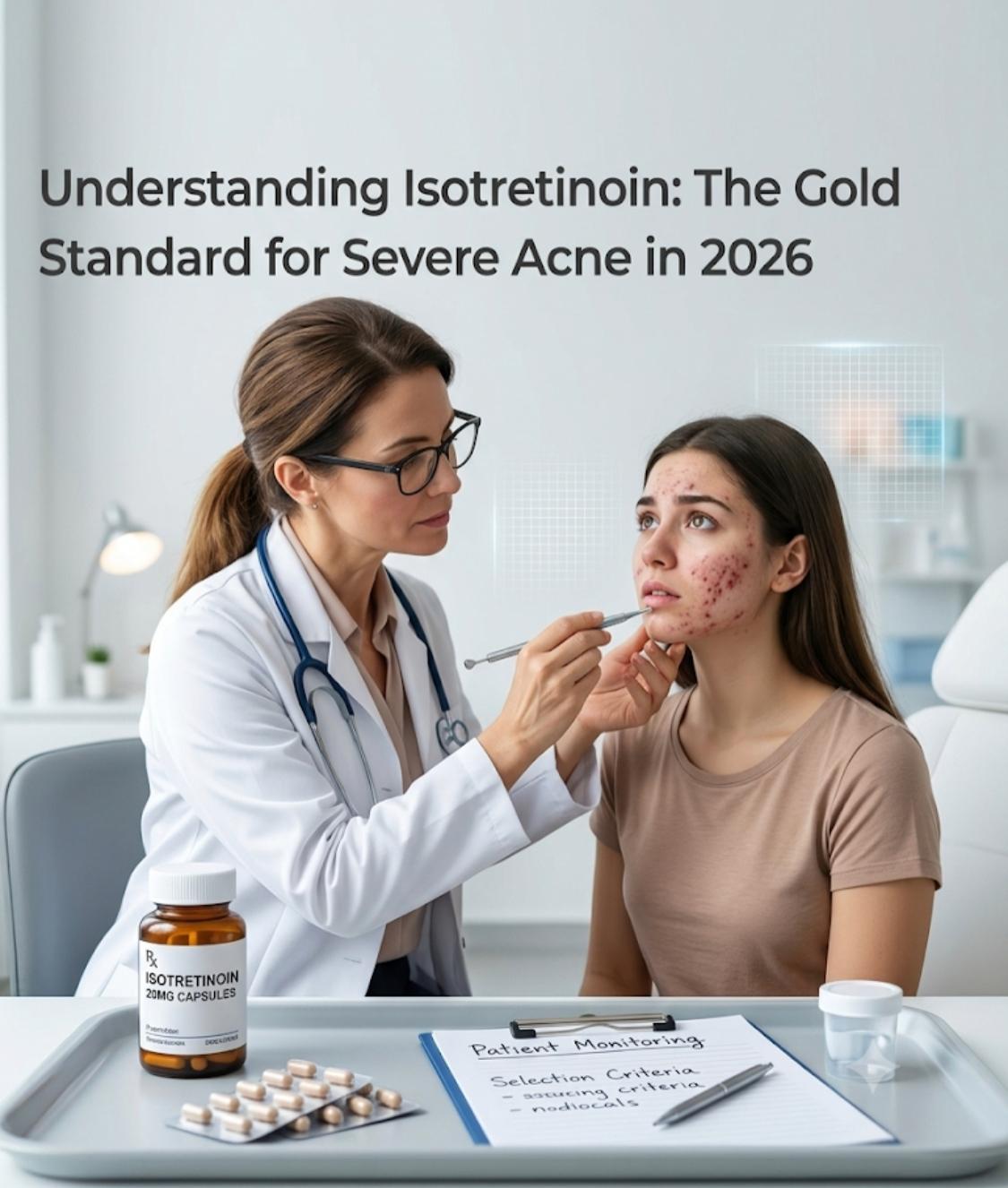
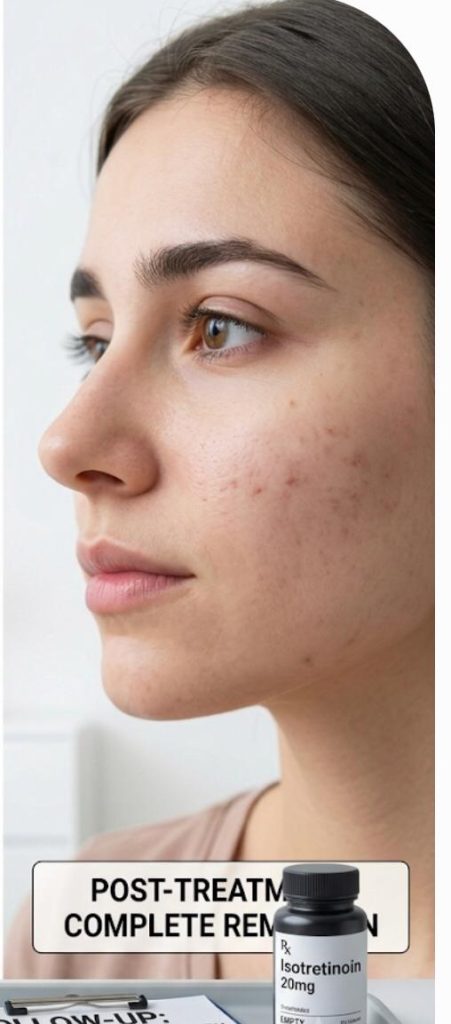
Severe acne is an extreme form of inflammatory skin disease characterized by deep, painful nodules and cysts on the face or body that often leave permanent scars.The ultimate goal of Isotretinoin therapy is to help patients transition to healthy severe acne a free skin.”
Accutane (Isotretinoin) remains the most powerful pharmaceutical intervention available for severe, treatment-resistant acne vulgaris. After two decades of clinical practice treating thousands of patients with this medication, I’ve witnessed its transformative effects alongside the critical importance of proper patient selection and monitoring protocols.
This retinoid derivative works by fundamentally altering sebaceous gland function, reducing sebum production by up to 90%, normalizing keratinization patterns, decreasing inflammation, and creating an inhospitable environment for Cutibacterium acnes (formerly Propionibacterium acnes). The medication’s multifaceted mechanism makes it uniquely effective when conventional therapies fail.
Current Clinical Applications and Patient Profiles
The therapeutic landscape has evolved significantly. In my practice, I prescribe isotretinoin primarily for:
- Severe nodulocystic acne unresponsive to oral antibiotics and topical retinoids
- Moderate acne causing severe psychological distress or permanent scarring
- Gram-negative folliculitis resistant to standard antibiotics
- Recurrent acne after multiple conventional treatment failures
- Acne fulminans (in conjunction with systemic corticosteroids)
The patient demographics have shifted noticeably over the past five years. While teenage males with severe truncal acne historically dominated my caseload, I now see increasing numbers of adult women in their 30s and 40s seeking treatment for persistent hormonal acne patterns that haven’t responded to spironolactone or combined oral contraceptives.
2026 Treatment Protocols: Evidence-Based Dosing Strategies
Standard Dosing Regimens
The cumulative dose theory continues to guide treatment protocols, though with important nuances that recent research has illuminated. The traditional target cumulative dose of 120-150 mg/kg body weight correlates with lower relapse rates in most patients.
Weight-Based Calculation Methods
For a 70 kg patient:
- Low-dose protocol: 0.3-0.5 mg/kg/day (20-35 mg daily) for 8-12 months
- Standard protocol: 0.5-1.0 mg/kg/day (35-70 mg daily) for 5-7 months
- High-dose protocol: 1.0-2.0 mg/kg/day (70-140 mg daily) for 4-5 months
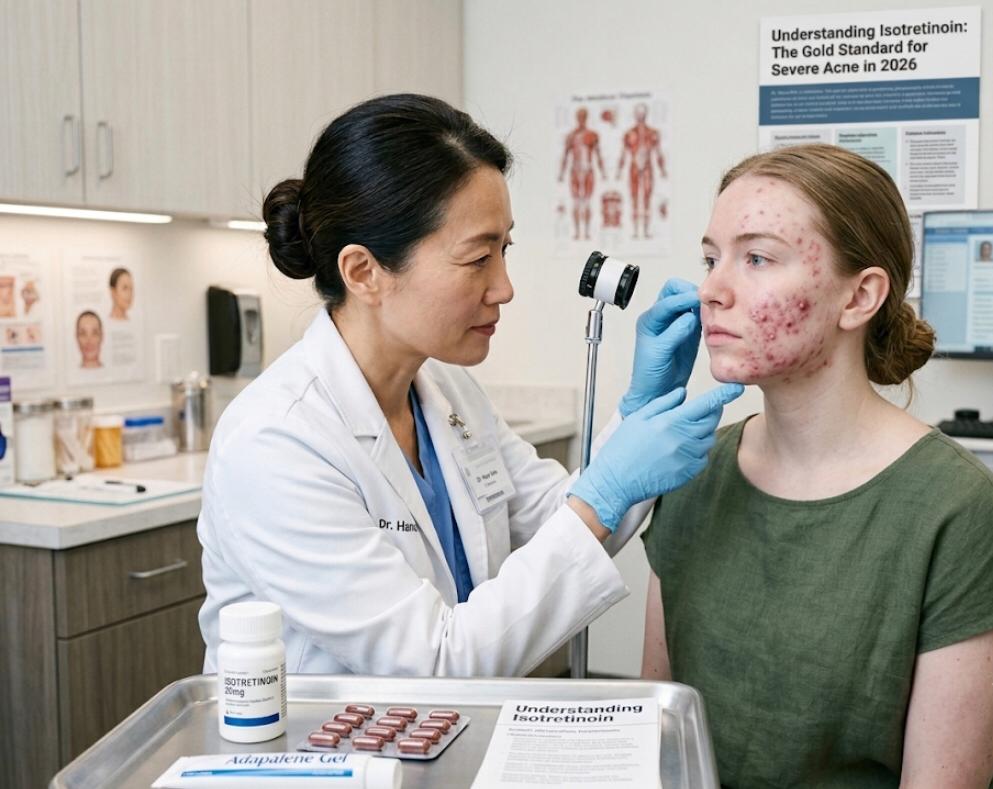
My clinical experience strongly favors individualized approaches. For patients with predominantly truncal acne or significant inflammation, I typically initiate treatment at 0.5 mg/kg daily, escalating after the first month if tolerated. Patients with primarily facial involvement or high anxiety about side effects often benefit from starting at 0.3 mg/kg daily.
Low-Dose Protocols: Emerging Clinical Evidence
The low-dose extended-duration approach (20-30 mg daily for 8-12 months) has gained substantial traction in dermatological practice. Multiple 2024-2025 studies demonstrated comparable efficacy with significantly reduced side effect burden.
I’ve incorporated this strategy for several patient subgroups:
Adult women with hormonal acne: 20 mg daily for 10-12 months produces excellent results with minimal dryness and negligible lipid abnormalities. One patient, a 38-year-old attorney, maintained full professional functioning throughout treatment without the debilitating cheilitis that plagued her sister’s high-dose course years earlier.
Patients with baseline mental health concerns: Extended low-dose protocols allow for easier monitoring of mood changes and reduce the shock of dramatic physical side effects that might amplify health anxiety. Severe acne can sometimes be directly linked to severe acne neuropathic pain through deep inflammatory nerve irritation.
Individuals in professions requiring physical presentation: Actors, broadcasters, and others whose appearance directly impacts their livelihood often cannot tolerate severe facial desquamation or erythema.
Alternative Dosing: Intermittent and Pulse Therapy
Several alternative protocols have emerged:
Intermittent Weekly Dosing
One dose of 0.5-1.0 mg/kg given once weekly has shown promise in small studies for mild-to-moderate acne, though I reserve this primarily for maintenance therapy after conventional treatment.
Pulse Therapy
One week per month at standard doses for 6-12 months. My experience with this approach has been mixed while side effects decrease substantially, efficacy appears reduced for severe cases.
Comprehensive Side Effect Management: Clinical Pearls from Two Decades of Practice
Mucocutaneous Effects: Prevention and Mitigation
Nearly every patient experiences some degree of xerosis and cheilitis. The severity varies tremendously based on dose, individual susceptibility, and environmental factors.
Cheilitis Management Protocol
I provide every patient with a detailed lip care regimen before they take their first capsule:
- Prophylactic application of thick emollients (lanolin-based ointments, petroleum jelly, or medical-grade lip balms) at least four times daily
- Overnight occlusion with heavy ointment application before sleep
- Avoidance of flavored or medicated lip products containing menthol, camphor, or salicylic acid
- Immediate intervention at first sign of fissuring topical hydrocortisone 1% twice daily for 3-5 days
One particularly memorable case involved a professional violinist who developed severe cheilitis that interfered with embouchure. We temporarily reduced her dose from 60 mg to 40 mg daily and implemented aggressive barrier therapy, allowing her to continue both treatment and performing.
Facial Dermatitis and Eczema
The paradox of Accutane induced facial dermatitis perplexes many patients a medication for acne causing eczema. This affects approximately 15-20% of patients in my practice, typically appearing 6-12 weeks into treatment.
Management approach:
- Switch to ultra-gentle, fragrance-free cleansers (cream-based or micellar water)
- Apply ceramide-rich moisturizers immediately after cleansing on damp skin
- Low-potency topical corticosteroids (hydrocortisone 2.5% or desonide) for 5-7 days during flares
- Consider temporary dose reduction if severe
Ocular Manifestations
Dry eye symptoms range from mild irritation to significant discomfort affecting quality of life. In 2026, we have better artificial tear formulations and prophylactic strategies.
Stratified Ophthalmologic Care
All patients: Preservative-free artificial tears at least four times daily, increased in dry environments or with screen use
Contact lens wearers: I strongly recommend discontinuing contact lenses during treatment. For patients who absolutely cannot comply, daily disposable lenses with frequent artificial tear supplementation and reduced wearing time.
Baseline dry eye or autoimmune conditions: Ophthalmology consultation before treatment initiation, with consideration of punctal plugs early in the course.
A 22-year-old graduate student developed such severe dry eyes at 80 mg daily that she could not tolerate more than two hours of computer work. We reduced to 40 mg daily, added omega-3 supplementation (2000 mg daily), and implemented the 20-20-20 rule (every 20 minutes, look 20 feet away for 20 seconds). She successfully completed treatment and submitted her thesis on time.
Musculoskeletal Effects: Clinical Significance and Monitoring
Myalgias and arthralgias occur in approximately 15-30% of patients, more commonly in those engaged in intense physical activity. The mechanism involves retinoid effects on bone remodeling and muscle inflammation.
Athletic Patient Management
For athletes and highly active individuals, I employ several strategies:
- Pre-treatment counseling: Set realistic expectations about potential training modifications
- Gradual dose escalation: Start lower to assess individual tolerance
- Anti-inflammatory support: Consider omega-3 fatty acids (though evidence is limited)
- Activity modification: Reduce high-impact activities if symptoms develop
- Monitoring: Check creatine phosphokinase (CPK) if severe myalgias occur
A collegiate swimmer on my service experienced significant shoulder pain at 60 mg daily. Rather than discontinue treatment, we reduced to 40 mg and modified his training intensity. He completed treatment during his off-season and returned to competition acne-free.
Laboratory Monitoring: 2026 Standards
The monitoring landscape has evolved with accumulating safety data. Current evidence supports:
| Test | Baseline | Month 1 | Month 2+ | Clinical Notes |
|---|---|---|---|---|
| Lipid panel | Required | Required | Monthly if abnormal, every 2 months if normal | Discontinue if triglycerides >400 mg/dL |
| Hepatic function | Required | Required | Monthly if abnormal, every 2 months if normal | Discontinue if transaminases >3x ULN |
| CBC | Recommended | Optional | As clinically indicated | Monitor for rare hematologic effects |
| Pregnancy test | Required for REMS* | Required monthly | Required monthly | Two forms of contraception mandatory |
| Creatinine/BUN | Optional | Not routine | As clinically indicated | For patients with risk factors |
Risk Evaluation and Mitigation Strategy (iPLEDGE program in the United States)
Psychiatric Considerations: Separating Science from Stigma
The relationship between isotretinoin and psychiatric effects remains one of dermatology’s most contentious topics. After treating patients since 2004, maintaining detailed outcome records, and reviewing the evolving literature, I can offer nuanced perspectives.
Current Evidence Synthesis
Multiple large-scale epidemiological studies from 2020-2025, including registry data from over 1.5 million patients, show no statistically significant increased risk of depression or suicide compared to matched controls with severe acne. Some studies actually demonstrate mood improvement following treatment, likely reflecting the psychological burden of severe acne.
However, individual case reports and clinical experience suggest potential psychiatric effects in susceptible individuals. The key questions: Who is susceptible? How do we identify them? What monitoring is appropriate?
Clinical Approach to Psychiatric Screening
My protocol includes:
Pre-treatment assessment:
- Detailed psychiatric history (personal and family)
- Current mental health symptoms using standardized screening (PHQ-9 for depression, GAD-7 for anxiety)
- Discussion of potential mood changes with patient and family
- Established follow-up plan with mental health provider if pre-existing conditions
During treatment:
- Direct inquiry about mood, anxiety, and behavioral changes at every visit
- Lower threshold for dose reduction or discontinuation if concerning symptoms emerge
- Coordination with mental health providers for patients with pre-existing conditions
Important distinction: I do not automatically exclude patients with depression or anxiety from treatment. Severe acne itself causes significant psychological distress, and many patients experience mood improvement with successful treatment. The decision requires individualized risk-benefit analysis.
A 19-year-old college student with treated depression and severe nodulocystic acne sought treatment. After consultation with her psychiatrist, we proceeded with low-dose therapy (30 mg daily), monthly mood assessments, and maintained close communication with her mental health team. She completed treatment successfully with improved mood scores, attributing the change to clearing of her acne.
Teratogenicity and Pregnancy Prevention: The iPLEDGE System in 2026
Isotretinoin’s profound teratogenic effects remain the medication’s most serious risk. Neural tube defects, craniofacial abnormalities, thymic aplasia, and cardiovascular malformations occur in exposed pregnancies.
iPLEDGE Program Requirements
The United States Risk Evaluation and Mitigation Strategy (REMS) program underwent significant updates in 2015-2016 and continues to evolve. Current requirements include:
For all patients of reproductive potential:
- Registration in the iPLEDGE system before prescription
- Two negative pregnancy tests before treatment initiation
- Monthly pregnancy tests before each prescription
- Commitment to two simultaneous forms of contraception beginning 30 days before treatment, during treatment, and for 30 days after discontinuation
- Viewing of educational materials regarding teratogenic risks
- Monthly contraception counseling documentation
Acceptable contraception combinations:
- Primary: Combined oral contraceptives, IUD (copper or hormonal), contraceptive implant, injectable contraceptives, tubal ligation, vasectomized partner
- Secondary: Barrier methods (condoms, diaphragm), cervical cap, contraceptive sponge
Clinical Challenges and Real-World Compliance
The iPLEDGE system, while well-intentioned, creates substantial treatment barriers. I’ve witnessed patients abandon treatment due to:
- Pharmacy access delays: System lockouts preventing timely prescription fills
- Testing logistics: Monthly pregnancy test timing requirements
- Privacy concerns: Young adults uncomfortable discussing sexual activity
- Administrative burden: Repeated counseling and documentation
Balancing safety with treatment access remains challenging. I advocate for comprehensive counseling without creating excessive barriers that drive patients away from legitimate medical care.
Drug Interactions and Concurrent Medication Considerations
Contraindicated Combinations
Vitamin A supplementation: Avoid all vitamin A supplements and multivitamins containing vitamin A during treatment to prevent additive toxicity. Many patients inadvertently continue multivitamins; specific discussion and label-checking instructions are necessary.
Tetracycline antibiotics: Concurrent use may increase risk of pseudotumor cerebri (idiopathic intracranial hypertension). Discontinue tetracyclines before Accutane initiation.
Systemic corticosteroids: Not absolutely contraindicated but requires caution due to potential for skeletal effects. I use prednisone coverage for acne fulminans or severe initial flares but limit duration.
In the modern digital landscape, the ability to buy Accutane online has become a vital component of patient access, provided it is handled through the correct medical channels. For many of my patients who live in “dermatology deserts” or have restricted mobility, the option to purchase Accutane via tele-dermatology platforms has revolutionized their treatment outcomes.
Important Interactions
Hormonal contraceptives: Progesterone-only pills may have reduced efficacy; combined oral contraceptives or long-acting reversible contraceptives preferred.
Phenytoin: Isotretinoin may alter phenytoin levels; monitoring recommended if concurrent use necessary.
Alcohol: While not a formal drug interaction, alcohol consumption combined with isotretinoin may increase hepatotoxicity risk. I counsel patients to minimize alcohol intake, particularly if baseline transaminases are elevated. Acquiring Accutane: Safe, Legitimate Access to Treatment in 2026
The Critical Importance of Verified Pharmaceutical Sources
Given isotretinoin’s prescription-only status and strict regulatory oversight, patients must obtain medication through legitimate, properly licensed channels. The proliferation of online pharmaceutical vendors has created both opportunities and risks.
When patients express interest in or inquire about how to buy isotretinoin online, I emphasize several critical points:
Legitimate online pharmacy criteria:
- Verification through the National Association of Boards of Pharmacy (NABP) Verified Internet Pharmacy Practice Sites (VIPPS) program
- Requirement for valid prescription from licensed healthcare provider
- Licensed pharmacist available for consultation
- Physical address and contact information clearly displayed
- No offers to “prescribe” medication without proper patient evaluation
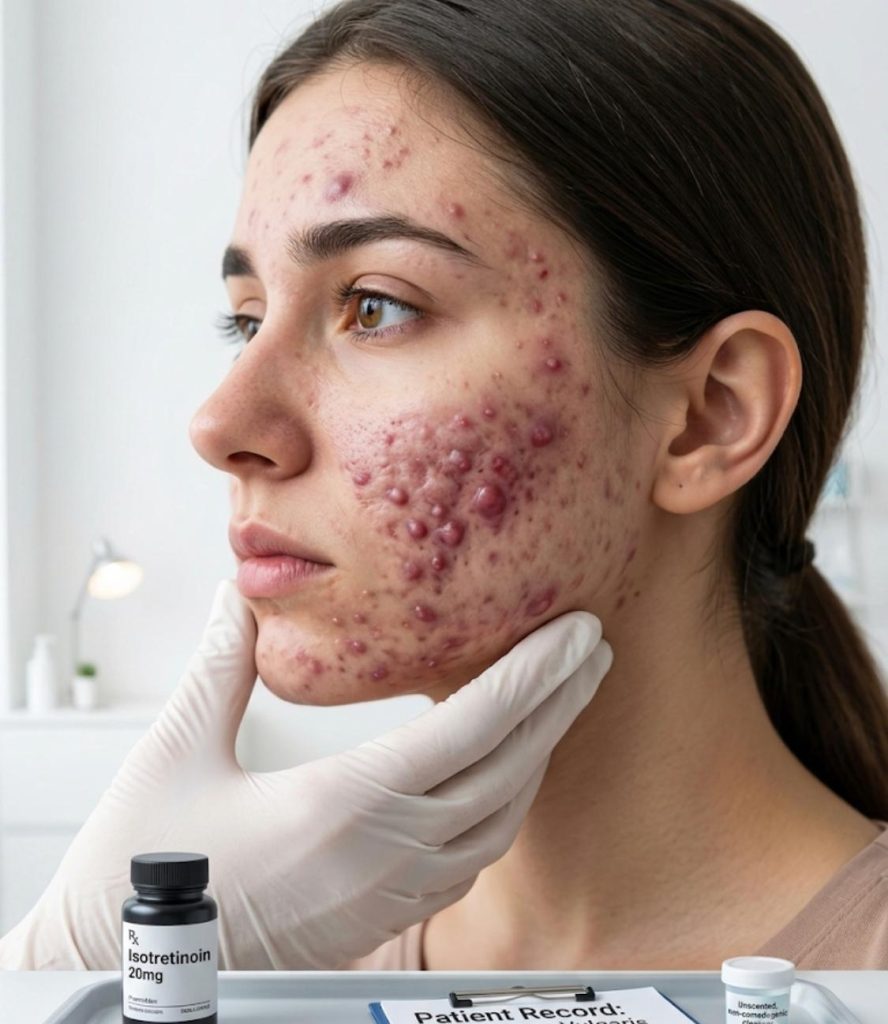
Risks of unverified sources:
- Counterfeit medications containing incorrect doses, contaminants, or no active ingredient
- No medical oversight or monitoring of treatment
- No pregnancy prevention counseling or testing for female patients
- No laboratory monitoring of lipids and hepatic function
- Legal consequences of obtaining prescription medication without valid prescription
I’ve encountered several patients who attempted to purchase isotretinoin from international online sources without medical supervision. One 24-year-old man acquired what he believed was generic Accutane from an overseas vendor. After three months of use without improvement (and developing significant dry eyes), testing revealed his capsules contained minimal active ingredient. He subsequently enrolled in proper supervised treatment.
Working with Legitimate Specialty Pharmacies
For patients seeking to buy isotretinoin online through verified channels, I recommend:
- Specialty pharmacy networks: Many insurance plans contract with specific specialty pharmacies for isotretinoin dispensing that offer convenient mail delivery with proper iPLEDGE compliance.
- Retail chain online services: Major pharmacy chains (CVS, Walgreens, Rite Aid) offer online prescription management with in-store or mail pickup.
- Verification before purchase: Always confirm VIPPS certification at nabp.pharmacy before ordering from any online pharmacy.
- Price comparison tools: GoodRx, RxSaver, and similar services help patients compare pricing across legitimate pharmacies, potentially reducing costs substantially.
The cost of isotretinoin varies tremendously. Generic formulations range from $150-$400 monthly without insurance, while brand-name versions can exceed $1,000 monthly. Many patients can secure a supply at reduced cost through:
- Manufacturer patient assistance programs
- Pharmacy discount programs
- Generic formulation selection
- Insurance prior authorization navigation support
When patients ask how to acquire or purchase Accutane economically, I emphasize that cost savings should never compromise medication authenticity or medical supervision.
Adult Female Patients with Hormonal Acne
This population has increased substantially in my practice. Women in their 30s and 40s presenting with persistent chin and jawline inflammatory acne often have failed multiple conventional therapies.
Treatment Considerations
Hormonal evaluation: While not absolutely necessary, I often check DHEA-S, total and free testosterone, and consider ultrasound for polycystic ovary syndrome (PCOS) in appropriate cases.
Lower doses, longer duration: 20-30 mg daily for 10-12 months produces excellent results with minimal impact on professional and personal life.
Combination approaches: Some patients benefit from continuing spironolactone during isotretinoin treatment for enhanced hormonal blockade.
A 41-year-old executive who had tried “everything” came to me with moderate but persistent inflammatory acne causing significant distress and scarring. After discussing options, she started 20 mg daily. Month by month improvement with minimal side effects allowed her to maintain demanding work travel. After 11 months at cumulative dose of 140 mg/kg, she achieved complete clearance maintained 18 months later.
Pediatric Patients (Ages 12-17)
Treating younger adolescents requires additional considerations:
Growth concerns: Premature epiphyseal closure is theoretically possible but extraordinarily rare at standard doses. I discuss this with parents while emphasizing the lack of documented cases in standard treatment.
Compliance: Adolescents may struggle with daily medication adherence and pregnancy prevention requirements.
Psychological impact: Both the acne and treatment occur during psychologically vulnerable developmental stages.
Parental involvement: Greater family engagement in monitoring and compliance.
Patients with Inflammatory Bowel Disease: Controversy and Current Evidence
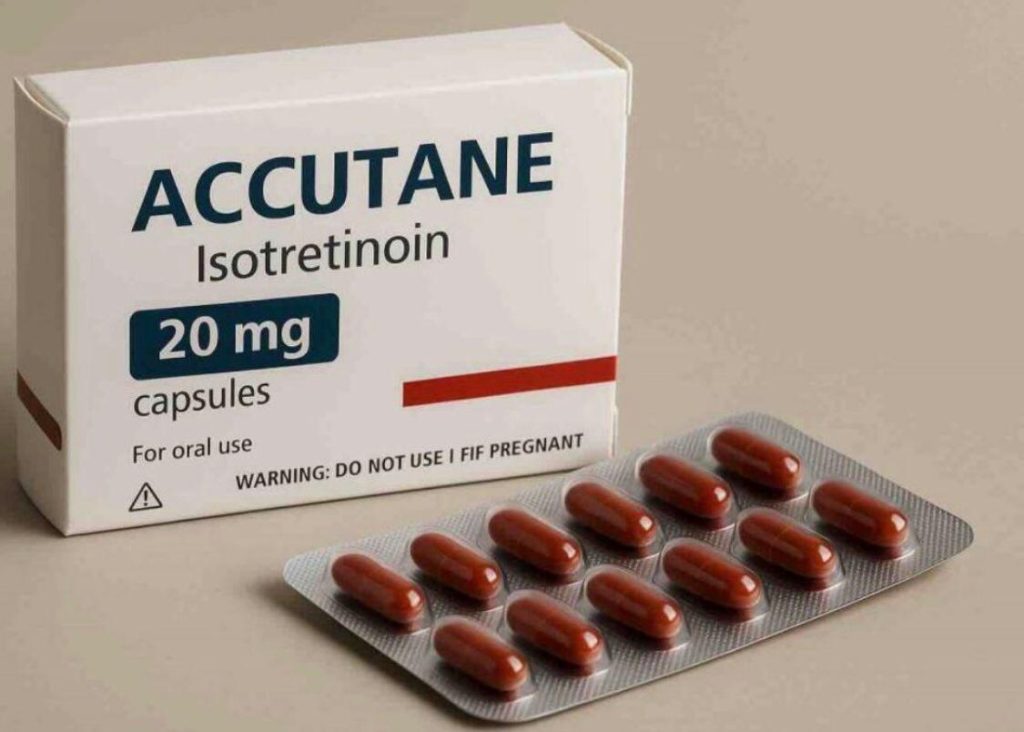
A potential association between Accutane and inflammatory bowel disease (IBD) generated significant concern in the 2000s-2010s. Current evidence from large epidemiological studies shows no causal relationship.
Multiple systematic reviews and meta-analyses from 2018-2024 found no increased IBD risk in isotretinoin-exposed patients compared to controls. However, I maintain clinical vigilance.
My approach:
- Screen for personal and family history of IBD
- Counsel patients about monitoring for persistent abdominal pain, bloody diarrhea, or significant bowel habit changes
- Lower threshold for gastroenterology referral if symptoms develop
- Document discussion in medical record
Insurance Authorization Strategies
Many insurance plans require prior authorization demonstrating:
- Severe acne documented with clinical photography
- Failure of conventional therapies (typically oral antibiotics + topical retinoids)
- For females, pregnancy prevention counseling documentation
I maintain a standardized prior authorization template including:
- Detailed clinical description with Modified Global Acne Grading System severity score
- Timeline of failed treatments with specific agents, doses, and durations
- Photographic documentation
- Impact on quality of life (often using Dermatology Life Quality Index scores)
This comprehensive submission increases first-time approval rates substantially.
Patient Assistance Resources
For uninsured or underinsured patients, multiple resources exist:
- Manufacturer patient assistance programs: Income-based free medication programs
- Foundation assistance: Partnership for Prescription Assistance, NeedyMeds
- Discount programs: GoodRx, RxSaver, WellRx
- State pharmaceutical assistance programs: Vary by location
I employ a medical assistant dedicated to helping patients navigate these resources, recognizing that cost barriers prevent many patients from accessing life-changing treatment.
Frequently Asked Questions About Isotretinoin Treatment
How long does isotretinoin treatment typically last for severe acne in 2026?
Isotretinoin treatment typically lasts 4-8 months for severe acne, depending on the dosing protocol selected and patient body weight.
Can you buy isotretinoin online safely, and what precautions should patients take?
You can buy Accutane online safely only through verified, VIPPS-certified pharmacies that require a valid prescription from a licensed healthcare provider. Patients should verify pharmacy credentials through the NABP website.
What are the most common side effects, and how are they managed?
The most common side effects include cheilitis (dry lips) occurring in over 90% of patients, facial and body xerosis (dry skin) in 70-80%, dry eyes in 30-40%, and myalgias in 15-30% of cases. These are managed through prophylactic moisturization with heavy emollients applied multiple times daily, preservative-free artificial tears for ocular symptoms, dose adjustments if symptoms become severe, and temporary use of low-potency topical corticosteroids for facial dermatitis.
Is isotretinoin safe for adult women, and does it help hormonal acne?
Accutane is safe and highly effective for adult women with hormonal acne patterns when proper pregnancy prevention protocols are followed through the iPLEDGE program. Adult female patients often achieve excellent results with low-dose extended protocols (20-30 mg daily for 10-12 months), which provide comparable efficacy to higher doses with significantly reduced side effects.