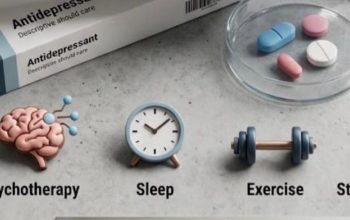
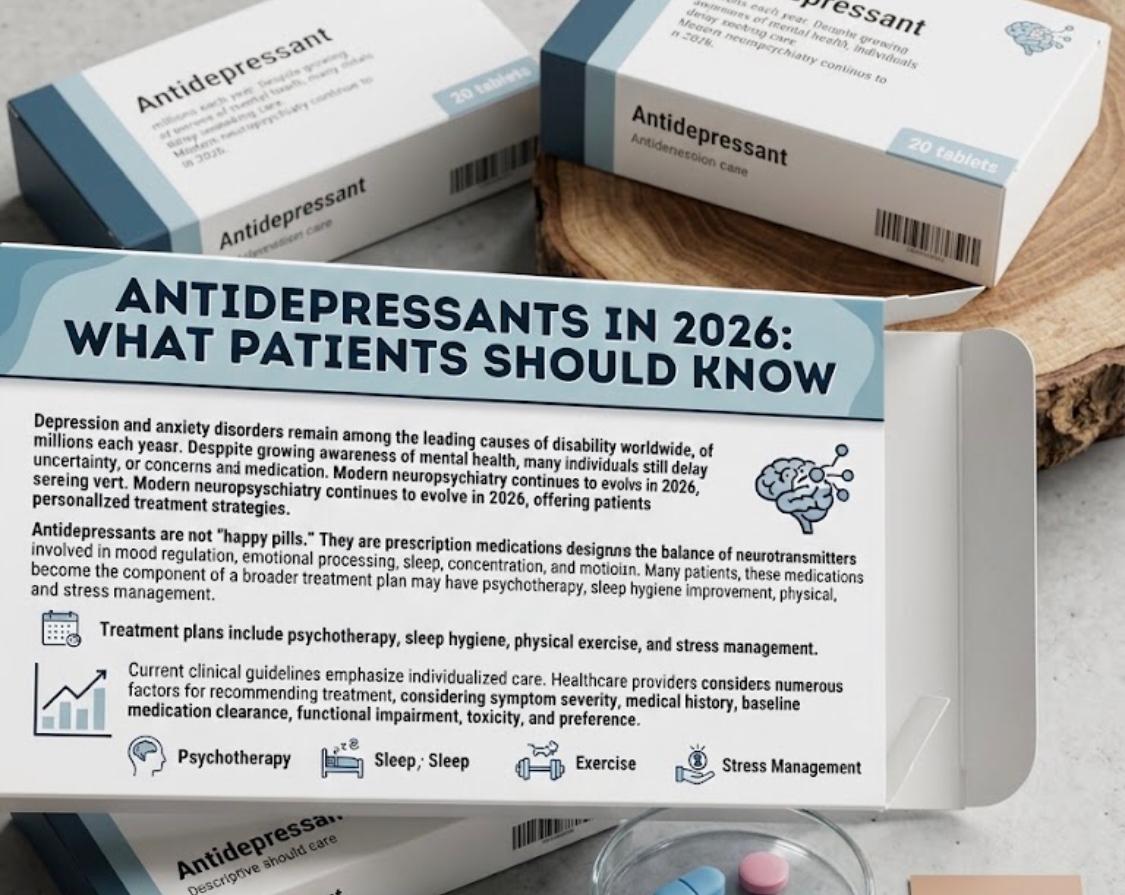
Depression and anxiety disorders remain among the leading causes of disability worldwide, affecting hundreds of millions of people each year. Despite growing awareness of mental health, many individuals still delay seeking treatment because of stigma, uncertainty, or concerns about medication. Modern antidepressant therapy continues to evolve in 2026, offering patients more personalized treatment strategies than ever before.
Antidepressants are not “happy pills.” They are prescription medications designed to restore the balance of neurotransmitters involved in mood regulation, emotional processing, sleep, concentration, and motivation. For many patients, these medications become one component of a broader treatment plan that may include psychotherapy, exercise, improved sleep habits, nutritional counseling, and stress management.
Current clinical guidelines emphasize individualized care. Healthcare providers consider numerous factors before recommending treatment, including symptom severity, medical history, previous medication response, coexisting medical conditions, possible drug interactions, pregnancy status, and patient preferences.
Advances in psychiatric research have improved understanding of depression as a complex condition involving biological, psychological, environmental, and genetic factors. As a result, treatment is becoming increasingly personalized rather than relying on a one size fits all approach.
What Are Antidepressants?
Antidepressants are medications primarily prescribed to treat depressive disorders, but they are also commonly used to manage several other medical and psychiatric conditions.
Healthcare professionals may prescribe antidepressants for:
- Major depressive disorder
- Generalized anxiety disorder
- Panic disorder
- Social anxiety disorder
- Obsessive compulsive disorder
- Post traumatic stress disorder
- Chronic pain syndromes
- Fibromyalgia
- Neuropathic pain
- Premenstrual dysphoric disorder
Although different antidepressants work through distinct biological mechanisms, their primary goal is to improve communication between nerve cells by influencing neurotransmitters such as serotonin, norepinephrine, and dopamine.
Treatment success depends on selecting the right medication for the individual patient rather than identifying a universally “best” antidepressant.
How Antidepressants Work

The human brain contains billions of neurons that communicate using chemical messengers called neurotransmitters. Depression is associated with complex alterations involving several neurotransmitter systems as well as changes in brain circuitry, inflammation, stress hormones, and neuroplasticity.
Most antidepressants increase the availability of one or more neurotransmitters within the synaptic space between neurons.
These medications generally require several weeks before patients experience significant improvement because the therapeutic effect depends on gradual adaptive changes within the brain rather than immediate increases in neurotransmitter levels.
Researchers now recognize that antidepressants may also promote:
- Increased neuroplasticity
- Improved synaptic connectivity
- Enhanced stress resilience
- Reduced inflammatory signaling
- Better emotional regulation
These biological adaptations help explain why consistent treatment is essential even when early improvement seems modest.
Major Classes of Antidepressants
Selective Serotonin Reuptake Inhibitors (SSRIs)
SSRIs remain among the most frequently prescribed antidepressants because they generally provide favorable effectiveness with manageable side effects.
They are commonly recommended as first-line treatment for:
- Depression
- Anxiety disorders
- Panic disorder
- OCD
- PTSD
Potential adverse effects include:
- Nausea
- Headache
- Insomnia
- Sexual dysfunction
- Gastrointestinal upset
Many of these effects improve during the first several weeks of therapy.
Serotonin Norepinephrine Reuptake Inhibitors (SNRIs)
SNRIs increase both serotonin and norepinephrine activity.
They may be particularly useful when depression occurs alongside:
- Chronic pain
- Fibromyalgia
- Neuropathic pain
- Fatigue
- Low energy
Possible side effects include:
- Increased blood pressure
- Sweating
- Dry mouth
- Insomnia
- Nausea
Atypical Antidepressants
This category includes medications with unique mechanisms of action.
Depending on the specific medication, benefits may include:
- Improved concentration
- Better energy
- Reduced fatigue
- Lower likelihood of sexual side effects
- Smoking cessation support
Selection depends on individual symptoms and overall health.
Tricyclic Antidepressants (TCAs)
Although older than many modern antidepressants, TCAs continue to have an important role in carefully selected patients.
They are sometimes prescribed for:
- Treatment resistant depression
- Chronic nerve pain
- Migraine prevention
- Certain sleep disorders
Because they may produce more side effects and carry greater overdose risk, clinicians generally reserve them for situations where newer medications are less appropriate.
Monoamine Oxidase Inhibitors (MAOIs)
MAOIs remain effective for some patients with difficult to treat depression but require careful dietary restrictions and close medical supervision due to potential interactions with foods and medications.
Comparison of Major Antidepressant Classes
| Medication Class | Common Uses | Advantages | Possible Limitations |
|---|---|---|---|
| SSRIs | Depression, anxiety | Well studied, generally well tolerated | Sexual side effects, nausea |
| SNRIs | Depression, chronic pain | May improve pain and fatigue | Blood pressure monitoring |
| Atypical antidepressants | Depression, smoking cessation | Different side-effect profiles | Medication-specific risks |
| TCAs | Resistant depression, pain | Highly effective in selected patients | More adverse effects |
| MAOIs | Resistant depression | Effective in select cases | Dietary restrictions |
Common Antidepressant Medications
The following medications are among the antidepressants commonly prescribed by healthcare professionals. The choice of medication depends on the individual’s symptoms, medical history, potential drug interactions, and treatment goals.
| Medication | Drug Class | Common Uses |
|---|---|---|
| Lexapro (escitalopram) | SSRI | Major depressive disorder, generalized anxiety disorder |
| Zoloft (sertraline) | SSRI | Depression, panic disorder, PTSD, OCD, social anxiety disorder |
| Celexa (citalopram) | SSRI | Major depressive disorder |
| Paxil (paroxetine) | SSRI | Depression, panic disorder, OCD, PTSD, generalized anxiety disorder |
| Cymbalta (duloxetine) | SNRI | Depression, generalized anxiety disorder, diabetic neuropathy, fibromyalgia |
| Effexor XR (venlafaxine) | SNRI | Depression, generalized anxiety disorder, panic disorder, social anxiety disorder |
How Healthcare Providers Choose a Medication
There is no single antidepressant that works best for everyone. Healthcare providers consider several factors before prescribing treatment, including:
- The patient’s primary diagnosis
- Previous response to antidepressants
- Side effect profile
- Other medical conditions
- Potential drug interactions
- Pregnancy or breastfeeding status
- Patient preference
- Cost and insurance coverage
For many patients, finding the most appropriate medication may require careful monitoring and occasional dose adjustments during the first weeks of treatment.
While brand-name medications are widely known, generic drugs often provide a cost effective alternative with the exact same therapeutic benefits and safety standards. Understanding both brand and generic options allows patients to work with their healthcare providers to choose the best treatment path. Here is a closer look at key medications used in modern treatment plans.”
Ativan (Lorazepam): Important Safety and Prescription Rules
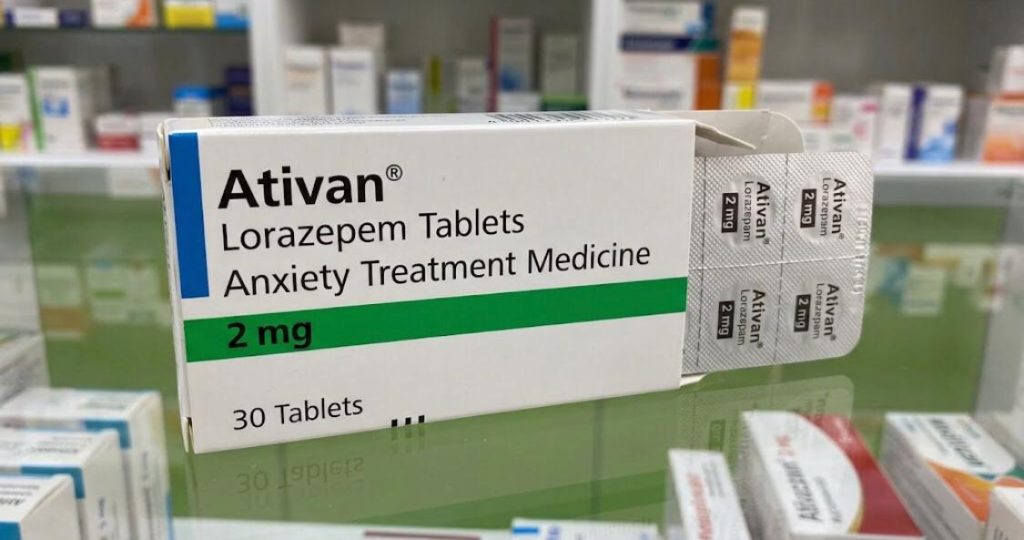
Ativan (lorazepam) is a widely used prescription medication designed to treat anxiety disorders and insomnia by calming the central nervous system. If you are looking to buy Ativan safely, it is essential to obtain it only through legitimate pharmacies with a valid prescription from a healthcare professional, as it is a controlled substance. Before you decide to purchase this medication or order it online, consulting a doctor is crucial to ensure proper dosage and to avoid potential side effects or dependency.
Guide to Common Prescription Antidepressants and Anti Anxiety Medications
Lexapro (Escitalopram): Overview and Prescription Rules
Lexapro is a widely prescribed Selective Serotonin Reuptake Inhibitor (SSRI) used to treat major depressive disorder and generalized anxiety disorder. Before choosing to buy or purchase Lexapro, patients should consult a healthcare provider to secure a valid prescription and establish the proper dosage to minimize potential side effects.
Cymbalta (Duloxetine): Usage and Patient Guidelines
Cymbalta belongs to the SNRI class and is commonly prescribed for depression, anxiety, and certain chronic pain conditions such as fibromyalgia. If your clinician recommends this treatment, make sure to purchase your medication from verified sources, ensuring you buy genuine products that align with your specific treatment plan.
Celexa (Citalopram): Important Safety Information
Celexa is frequently utilized to manage depressive symptoms by helping restore the balance of serotonin in the brain. Those looking to buy Celexa should only purchase it with a doctor’s guidance, as precise dosing is critical to prevent adverse reactions and ensure long-term effectiveness.
Paxil (Paroxetine): Clinical Overview and Dosage
Paxil is effective in treating major depression, panic attacks, and obsessive-compulsive disorder. When preparing to purchase Paxil, patients must ensure they buy their prescription through licensed pharmacies that adhere to safety standards, as abrupt discontinuation can lead to withdrawal symptoms.
Zoloft (Sertraline): Treatment Protocols and Precautions
Zoloft is one of the most commonly prescribed SSRIs for depression, PTSD, and social anxiety. Patients who plan to buy Zoloft should always purchase it under medical supervision to ensure consistent monitoring of dosage adjustments and therapeutic outcomes.
Effexor (Venlafaxine): Medical Considerations
Effexor is an SNRI designed to treat major depressive disorder, anxiety, and panic disorders by altering neurotransmitter levels. Prior to deciding to purchase or buy Effexor online, a professional evaluation is essential to confirm that this specific drug is safe and appropriate for your health history.
Who May Benefit From Antidepressant Therapy?
Antidepressants may be appropriate for individuals experiencing persistent symptoms that interfere with daily life.
Possible signs include:
- Persistent sadness
- Loss of interest in enjoyable activities
- Sleep disturbances
- Appetite changes
- Fatigue
- Difficulty concentrating
- Feelings of hopelessness
- Anxiety
- Panic attacks
- Recurrent thoughts of death or suicide
A comprehensive medical evaluation is essential because several physical illnesses including thyroid disorders, vitamin deficiencies, neurological diseases, and certain medications can produce symptoms similar to depression.
Healthcare providers also evaluate whether psychotherapy alone, medication alone, or combined treatment offers the greatest likelihood of improvement.
Benefits of Antidepressant Treatment
Clinical studies consistently demonstrate that antidepressants can significantly improve quality of life for many individuals with moderate to severe depression.

Potential benefits include:
- Improved mood
- Better emotional stability
- Increased motivation
- Improved sleep quality
- Better concentration
- Greater workplace performance
- Reduced anxiety
- Improved social functioning
- Lower relapse risk when treatment continues appropriately
Recovery is usually gradual rather than immediate. Most patients notice small improvements before experiencing full symptom relief.
Possible Side Effects
Like all prescription medications, antidepressants can produce side effects.
Common side effects include:
- Nausea
- Headache
- Dry mouth
- Dizziness
- Sleep disturbances
- Fatigue
- Sexual dysfunction
- Constipation
- Increased sweating
- Mild weight changes
Most side effects improve as the body adjusts during the first several weeks.
Frequently Asked Questions
FAQ
1. How long do antidepressants take to work?
Answer: Most antidepressants begin showing noticeable benefits within two to six weeks, although full improvement may take longer.
2. Are antidepressants addictive?
Answer: No. Antidepressants are not considered addictive. However, stopping some medications suddenly can lead to discontinuation symptoms, so doses should always be reduced under medical supervision.
3. Can antidepressants cure depression permanently?
Answer: No. Antidepressants help manage symptoms and reduce the risk of relapse, but depression is a complex medical condition that often requires ongoing monitoring and, in many cases, psychotherapy.
4. Can antidepressants be taken during pregnancy?
Answer: Sometimes. The decision depends on the individual’s medical history, pregnancy stage, and the balance between potential benefits and risks. This decision should always be made with a qualified healthcare professional.
5. Where can patients safely obtain prescription antidepressants?
Answer: Prescription antidepressants should only be obtained through licensed healthcare providers and dispensed by accredited pharmacies. Avoid websites that offer prescription medications without a valid prescription or appropriate medical review, as counterfeit medicines can pose serious health risks.
References
- World Health Organization (WHO). Depression – Fact Sheet.
- National Institute of Mental Health (NIMH). Depression Overview.
- Mayo Clinic. Depression: Diagnosis and Treatment.
- PubMed. Clinical reviews on antidepressant effectiveness and safety.
- American Psychiatric Association. Practice Guideline for the Treatment of Patients With Major Depressive Disorder.
- The Lancet Psychiatry. Recent reviews on antidepressant therapy and personalized mental health care.
Final Thoughts
Antidepressants remain one of the most extensively studied treatments for depression and several anxiety related disorders. While they are not appropriate for every individual, they can significantly improve quality of life when prescribed appropriately and combined with psychotherapy, healthy lifestyle habits, and regular medical follow up. Modern mental health care emphasizes individualized treatment plans, shared decision-making, and ongoing monitoring to help patients achieve the best possible outcomes while minimizing risks.