
Understanding Benign Prostatic Hyperplasia in Modern Clinical Practice
Benign prostatic hyperplasia represents one of the most prevalent urological conditions affecting men over fifty, with incidence rates climbing steadily as our population ages. Throughout my years practicing urology in Denver, I’ve witnessed firsthand how this condition transforms the daily lives of thousands of men, disrupting sleep patterns, social engagements, and overall quality of life. The prostate gland, situated just below the bladder and surrounding the urethra, gradually enlarges in most men as they age a natural process that unfortunately creates significant functional challenges.
The statistics paint a sobering picture: approximately 50% of men in their sixties and up to 90% of men in their seventies and eighties experience some degree of prostatic enlargement. What distinguishes clinical BPH from simple anatomical enlargement is the presence of bothersome lower urinary tract symptoms (LUTS) that genuinely impair quality of life. These symptoms manifest along a spectrum from mildly annoying to severely debilitating, and modern treatment approaches in 2026 have evolved to address this entire continuum with remarkable precision.
The Pathophysiology Behind Prostatic Enlargement
The fundamental mechanism driving BPH involves hormonal influences, primarily the conversion of testosterone to dihydrotestosterone (DHT) by the enzyme 5-alpha-reductase within prostatic tissue. This potent androgen stimulates cellular proliferation in both the stromal and epithelial components of the transition zone the region closest to the urethra. Simultaneously, the smooth muscle component of the prostate and bladder neck maintains contractile tone under alpha-adrenergic nervous system control, further contributing to urethral compression.

At the microscopic level, prostatic tissue undergoes nodular hyperplasia characterized by increased cell numbers rather than cell size. These nodules compress the urethra like a hand squeezing a garden hose, restricting urine flow. The bladder muscle compensates initially by hypertrophying, developing trabeculations and increased contractile force to overcome outlet resistance. Over time, however, this compensation fails, leading to detrusor muscle fatigue, incomplete bladder emptying.
In my Denver, Healthy Lifestyle practice I’ve observed that nocturia waking multiple times nightly to urinate represents the single most bothersome symptom for the majority of patients. The sleep disruption cascades into daytime fatigue, reduced workplace productivity, mood disturbances, and strained relationships. One patient recently described setting his alarm clock by his bladder rather than his schedule a sentiment that resonates with countless men suffering silently.
Clinical Presentation and Diagnostic Framework
Patients typically present with a constellation of storage symptoms (urinary frequency, urgency, nocturia) and voiding symptoms (hesitancy, weak stream, straining, incomplete emptying, terminal dribbling). The International Prostate Symptom Score (IPSS) questionnaire, consisting of seven questions scored zero to five, provides standardized symptom quantification. Scores ranging from 0-7 indicate mild symptoms, 8-19 moderate, and 20-35 severe disease.
Comprehensive Diagnostic Evaluation
A thorough evaluation begins with detailed medical history, focusing on symptom duration, severity, progression, and impact on quality of life. Medication review is essential, as diuretics, antihistamines, decongestants, and anticholinergics can exacerbate voiding dysfunction. Digital rectal examination (DRE) assesses prostate size, consistency, symmetry, and nodularity, though DRE notoriously underestimates actual gland volume.

Uroflowmetry objectively measures maximum flow rate and voiding pattern, with rates below 12-15 mL/second suggesting obstruction. Post-void residual (PVR) volume measurement via bladder ultrasound quantifies incomplete emptying, with volumes exceeding 200-300 mL indicating significant retention. Prostate-specific antigen (PSA) testing, while primarily a prostate cancer screening tool, correlates somewhat with prostate volume and helps risk-stratify patients.
Transrectal ultrasound (TRUS) provides precise volumetric measurements, determining prostate size in cubic centimeters. This measurement guides treatment selection, as glands exceeding 40-80 cc respond differently to various therapies. For complex cases, urodynamic testing with pressure-flow studies definitively distinguishes bladder outlet obstruction from detrusor underactivity a critical distinction that fundamentally alters management strategies.
Medical Management Strategies: Evidence Based Pharmacotherapy
Alpha-blockers constitution first line pharmacotherapy for symptomatic BPH regardless of prostate size. These agents selectively antagonize alpha-1A adrenergic receptors concentrated in prostatic smooth muscle, bladder neck, and prostatic capsule, inducing relaxation and reducing outlet resistance. The functional improvement occurs rapidly, typically within days to weeks, providing relatively quick symptom relief without affecting prostate size.
The alpha-blocker class includes several agents with varying receptor selectivity and pharmacokinetic profiles. Tamsulosin, alfuzosin, and silodosin demonstrate superior uro Selectivity compared to older agents like terazosin and doxazosin, translating to fewer cardiovascular side effects. Clinical trials consistently demonstrate 30-40% improvement in symptom scores and 20-25% increase in peak urinary flow rates with alpha blocker monotherapy.
Flomax: A Closer Clinical Examination
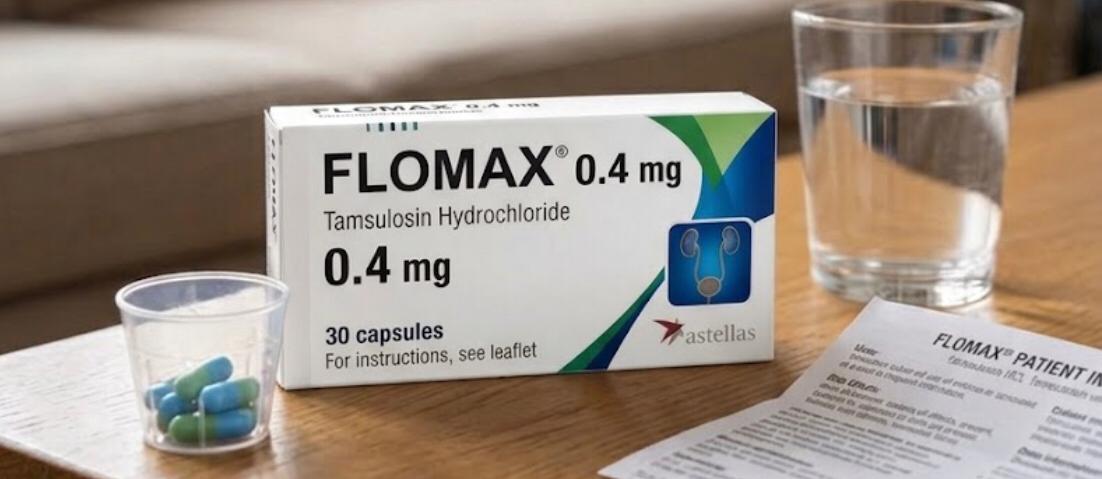
Among alpha blockers, tamsulosin (marketed as Flomax) has achieved particularly widespread utilization based on its favorable efficacy-tolerability profile. The standard dosage of Flomax 0.4mg once daily selectively targets alpha-1A receptors with minimal alpha-1B receptor effects, reducing orthostatic hypotension risk compared to non-selective agents. The medication reaches steady state plasma concentrations within five days, with food enhancing absorption consistency.
Throughout my clinical experience in Denver’s diverse patient population, I’ve prescribed Flomax extensively across thousands of cases with consistently positive outcomes. The medication effectively addresses both voiding and storage symptoms, with approximately 65-70% of patients reporting meaningful improvement. The side effect profile remains manageable, with retrograde ejaculation affecting 8-18% of users an effect patients should understand represents reduced antegrade semen expulsion rather than orgasmic dysfunction.
For patients seeking cost effective BPH management, many choose to purchase Flomax through various channels. Licensed pharmacies offer options to buy Flomax online through legitimate telehealth platforms that require valid prescriptions. The generic tamsulosin formulation has become widely available, allowing patients to order generic Flomax online at substantially reduced costs compared to brand name versions. When patients ask about how to get Flomax conveniently, I emphasize working exclusively with verified, accredited pharmacies that operate under state pharmaceutical board oversight.
How to Access and Buy Flomax Safely Online
The ability to buy prescription Flomax 0.4mg through reputable online pharmacies has improved medication adherence, particularly among working professionals who struggle to visit physical pharmacies during business hours. However, I consistently counsel patients that any decision to buy Flomax online must involve prescription verification by licensed pharmacists and ideally occur through platforms integrated with their primary healthcare providers. The convenience of being able to order Flomax online should never compromise pharmaceutical quality or medical oversight.
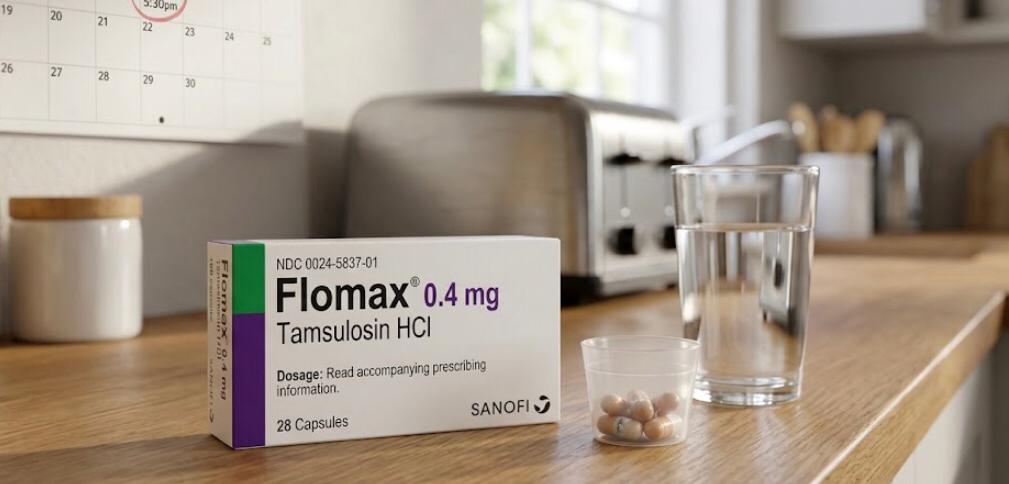
Ideal Flomax candidates include men with moderate-to-severe LUTS, preserved renal function, and no contraindications such as severe hepatic impairment or sulfa allergies. Prior to initiation, I assess blood pressure patterns and concurrent medication use, particularly phosphodiesterase-5 inhibitors, which can potentiate hypotensive effects. Patients undergoing cataract surgery require special consideration due to intraoperative floppy iris syndrome (IFIS) risk, necessitating ophthalmologic coordination.
Follow-up assessment typically occurs at 4-6 weeks post-initiation, evaluating symptom improvement via IPSS questionnaire, side effect tolerance, and objective flow measurements when indicated. Long-term continuation depends on sustained efficacy, with many patients maintaining benefit for years. Approximately 15-20% of patients discontinue therapy due to inadequate response or intolerable side effects, prompting consideration of combination therapy or alternative approaches.
5-Alpha-Reductase Inhibitors
Unlike alpha-blockers that provide functional improvement, 5-alpha-reductase inhibitors (5-ARIs) actually reduce prostate volume by blocking DHT synthesis. Finasteride inhibits the type II isoenzyme, while dutasteride non-selectively blocks both type I and II isoenzymes, achieving more complete DHT suppression. These agents reduce prostate volume by 20-30% over 6-12 months, with maximal benefit requiring 6-12 months of continuous therapy.
The Medical Therapy of Prostatic Symptoms (MTOPS) trial definitively demonstrated that 5-ARIs reduce long term BPH progression risk, including acute urinary retention and surgical intervention necessity. These benefits accrue primarily in men with larger prostates (>40 cc) and elevated PSA levels (>1.5 ng/mL), establishing clear patient selection criteria. I reserve 5-ARI monotherapy for patients with documented large glands who can tolerate the delayed therapeutic onset.
Side Effects and Counseling Considerations
Sexual side effects represent the primary tolerability concern with 5-ARIs, affecting approximately 5-9% of users. These include decreased libido, erectile dysfunction, ejaculatory dysfunction, and reduced semen volume. Most effects occur early in treatment and may diminish over time, though a small subset of patients report persistent symptoms even after discontinuation. Comprehensive pre-treatment counseling regarding these potential effects is essential for informed decision making and realistic expectation-setting.
Treatment Selection Framework: Personalized Decision Making

Mild symptoms (IPSS 0-7) rarely warrant intervention beyond watchful waiting and lifestyle modifications unless quality of life is significantly impaired or complications exist. Moderate symptoms (IPSS 8-19) represent the range where pharmacotherapy typically initiates, with minimally invasive procedures considered for medication failure or intolerance. Severe symptoms (IPSS 20-35) often benefit from early procedural intervention, particularly when complicated by retention, recurrent infections, or bladder decompensation.
Prostate Volume Impact
Gland size fundamentally influences treatment selection. Small prostates (<30 cc) respond well to alpha-blocker monotherapy, while mid-size glands (30-80 cc) benefit from combination therapy or minimally invasive procedures. Large prostates (>80 cc) warrant 5-ARI therapy, HoLEP, or open prostatectomy, as TURP becomes technically challenging and carries higher complication risks at larger volumes.
For sexually active men who prioritize ejaculatory preservation, UroLift and Rezūm offer substantial advantages over TURP and HoLEP. I engage patients in detailed conversations regarding the trade-offs between maximal efficacy (favoring surgery) and sexual function preservation (favoring office-based procedures), recognizing that individual values and priorities vary enormously.
Healthy Lifestyle Modifications and Conservative Management

Timed voiding schedules, limiting evening fluid intake 2-3 hours before bedtime, and reducing caffeine and alcohol consumption can meaningfully reduce nocturia and urgency. I counsel patients to maintain adequate daytime hydration while concentrating fluid intake during morning and afternoon hours, then restricting intake after dinner to minimize nighttime voiding frequency. Just as managing physical conditions like BPH with targeted treatments like Flomax is essential for quality of life, addressing mental health as discussed in our previous guide on Managing Depression and Anxiety Disorders is equally vital for overall well-being
Progressive voiding interval extension trains the bladder to accommodate larger volumes, reducing urgency and frequency. Patients begin by establishing their current typical voiding interval, then systematically delay urination by 15-30 minutes weekly until achieving 3-4 hour intervals. Pelvic floor muscle exercises (Kegel exercises) strengthen the external urethral sphincter, enhancing continence control and reducing urgency severity.
Dietary and Metabolic Optimization
Emerging evidence links metabolic syndrome components obesity, hypertension, dyslipidemia, insulin resistance with BPH severity and progression. Weight loss through caloric restriction and increased physical activity improves LUTS in overweight men, likely through reduced inflammatory cytokine production and improved vascular function. Mediterranean dietary patterns rich in vegetables, fruits, fish, and olive oil correlate with reduced BPH prevalence in epidemiologic studies, suggesting nutritional approaches merit consideration as adjunctive therapy.
Many commonly prescribed medications exacerbate voiding dysfunction, including diuretics (especially evening doses), antihistamines, decongestants, tricyclic antidepressants, and anticholinergic agents. Comprehensive medication reconciliation identifies opportunities for timing adjustments, alternative agent substitution, or outright discontinuation when appropriate. Coordinating these changes with prescribing physicians optimizes overall symptom control without compromising management of other medical conditions.
Frequently Asked Questions (FAQ)
How quickly do BPH medications start working?
Alpha-blockers like Flomax typically begin improving symptoms within 48-72 hours, with maximal benefit achieved by 2-4 weeks. In contrast, 5-alpha-reductase inhibitors require 3-6 months to demonstrate meaningful symptom improvement due to their mechanism of gradually shrinking prostate tissue. For patients initiating combination therapy, the alpha-blocker provides rapid symptom relief while awaiting the 5-ARI’s long-term structural benefits.
Can I stop BPH medication once symptoms improve?
BPH represents a chronic, progressive condition, so discontinuing medication typically results in symptom recurrence within weeks to months. Alpha-blocker discontinuation often causes relatively rapid symptom return, while 5-ARI cessation leads to gradual prostate regrowth and symptom recurrence over 6-12 months. Patients should view BPH pharmacotherapy as long-term management rather than curative treatment, though minimally invasive or surgical procedures can potentially eliminate medication dependence.
Where can I buy Flomax online safely with a prescription?
Licensed online pharmacies operating under state pharmaceutical board oversight provide legitimate avenues to purchase Flomax and generic tamsulosin with valid prescriptions. Reputable telehealth platforms connect patients with licensed physicians who evaluate appropriateness, issue prescriptions when indicated, and coordinate fulfillment through accredited partner pharmacies. Always verify pharmacy credentials through the National Association of Boards of Pharmacy (NABP) verification program and avoid websites offering prescription medications without requiring a valid prescription or physician consultation.
What are the chances I’ll need surgery eventually despite medication?
Approximately 20-30% of men initiating medical therapy for BPH eventually require surgical intervention due to inadequate symptom control, medication intolerance, or disease progression with complications like retention or recurrent infections.
Do minimally invasive BPH procedures permanently cure the condition?
Minimally invasive procedures provide durable symptom improvement for many patients but generally carry higher long-term retreatment rates (10-30% at 5-10 years) compared to definitive surgical resection or enucleation (5-10% retreatment rates). This reflects the fact that these technologies ablate or displace prostatic tissue rather than completely removing the adenoma. The prostate continues aging and potentially enlarging, sometimes necessitating additional intervention years later. However, many patients accept this trade-off in exchange for superior sexual function preservation and faster recovery compared to traditional surgery.