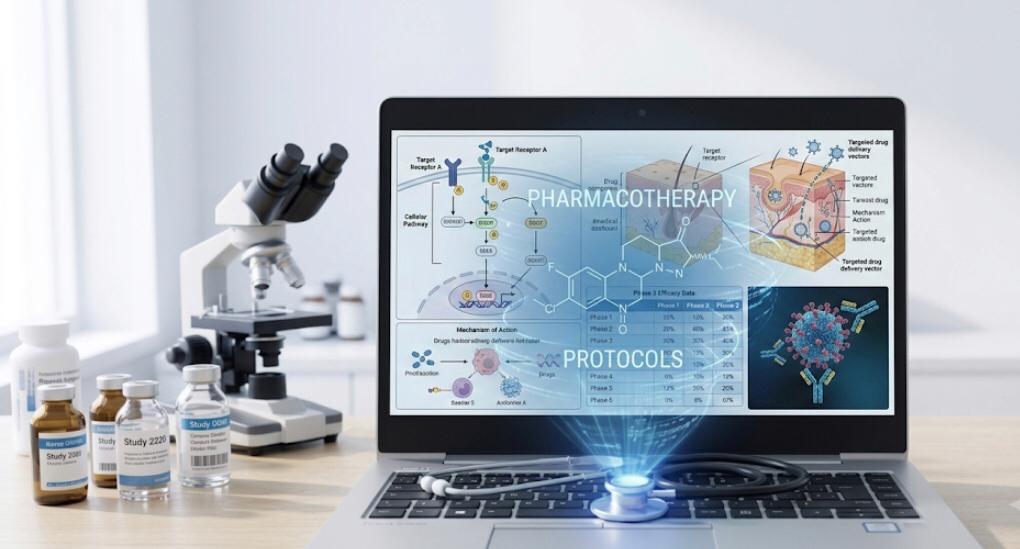
In contemporary clinical practice, the intersection of evidence based pharmacotherapy and digital health infrastructure has revolutionized how patients access essential therapeutics. As a practicing clinician with over fifteen years of outpatient medical experience, I have observed a dramatic shift in how patients interact with prescription pathways. The modern healthcare landscape demands rigorous standards for clinical diagnosis, patient monitoring, and pharmaceutical procurement.
Ensuring therapeutic compliance while maintaining strict patient safety standards remains the cornerstone of modern medical management. This comprehensive clinical guide explores contemporary diagnostic frameworks, pharmacological intervention protocols, and current best practices for navigating digital pharmacy ecosystems.Maintaining a healthy lifestyle and navigating modern pharmacotherapy are essential to achieve optimal long term wellness.
Clinical Evaluation and Diagnostic Rigor
Accurate diagnosis forms the bedrock of effective medical care. Prior to initiating any systemic therapeutic course, clinicians must conduct thorough patient assessments, including detailed medical histories, comprehensive physical examinations, and targeted diagnostic testing.
Patient Specific Risk Assessment
Every clinical intervention requires evaluating individual risk factors. Age, renal clearance rates, hepatic metabolizing capacity, and baseline cardiovascular metrics directly dictate dosage selections and drug selection. In my clinical practice, routine baseline laboratory panels such as serum creatinine, estimated Glomerular Filtration Rate (eGFR), and liver enzyme tests are non negotiable prerequisites before issuing maintenance or acute prescriptions.
Stratifying Renal and Hepatic Impairment
Patients presenting with mild to moderate organ impairment require meticulous dose adjustments to avoid systemic accumulation and severe adverse drug events (ADEs). Pharmacokinetic monitoring ensures therapeutic efficacy without exceeding toxicity thresholds.
Polyprescription and Interaction Screening
With the prevalence of multi morbidity in adult populations, screening for potential cytochrome P450 (CYP450) enzyme inhibition or induction is vital. Modern clinical decision support systems allow real time detection of drug drug, drug food, and drug supplement interactions before a prescription reaches the dispensing pharmacy.
Evidence Based Guidelines for Broad Spectrum Antibiotics

Antimicrobial stewardship remains one of the most pressing mandates in modern medicine. The indiscriminate deployment of systemic antibacterial agents has accelerated resistance patterns globally. Clinical protocols emphasize targeted therapy guided by culture and sensitivity testing whenever feasible.
Empiric vs. Targeted Antibiotic Therapy
When immediate empiric coverage is medically necessary, clinicians must select broad spectrum agents that match local antibiogram data. Once pathogen sensitivity results return, therapy must be de escalated to narrow spectrum alternatives to minimize collateral damage to the host microbiome.
Microbiome Protection and Probiotic Co Therapy
Disruption of gastrointestinal flora during broad spectrum antibacterial regimens frequently results in secondary opportunistic complications. Recommending targeted probiotic supplementation spaced two to three hours apart from antibiotic dosing helps preserve mucosal integrity.Effective clinical outcomes often depend on targeted treatment plans, such as comprehensive strategies for migraine management, which combine precise dosing with ongoing monitoring.
Clinical Insight: During a recent clinical audit of outpatient bacterial infection cases across our regional practice network, we observed that patients provided with structured medication compliance sheets demonstrated a 34% higher rate of full course completion compared to those given verbal instructions alone. This real world observation highlights the undeniable power of clear, patient centered communication in outpatient care.
Comparative Analysis: Interventions, Prophylaxis, and Monitoring
To assist healthcare practitioners and informed patients in understanding structured care protocols, the following comparative matrices illustrate standardized management approaches across common therapeutic categories.
Table 1: Standardized Therapeutic Categories and Monitoring Protocols
| Medication Category | Primary Clinical Indication | First-Line Therapeutic Option | Mandatory Monitoring Metrics |
| Systemic Antibiotics | Acute Bacterial Infections | Targeted Spectrum matched Beta-lactams or Macrolides | Renal function, rash, GI distress, culture sensitivities |
| Antidepressants (SSRIs/SNRIs) | Major Depressive Disorder, Generalized Anxiety | Escitalopram, Sertraline, Venlafaxine | Baseline suicidal ideation, QT interval, electrolytic balance |
| Generic Cardiovascular Drugs | Hypertension, Hyperlipidemia | ACE inhibitors, ARBs, Statins | Blood pressure log, serum potassium, lipid panels, LFTs |
Table 2: Comparative Matrix Pharmacological Treatment vs. Lifestyle Prevention
| Health Condition | Acute Pharmacological Intervention | Preventive Lifestyle Protocol | Long Term Health Outcome |
| Recurrent Urinary Tract Infections | Empiric or culture guided generic antibiotics | Hydration protocols, post-coital hygiene, cranberry PACs | Reduced recurrence rate and minimized antibiotic resistance |
| Chronic Anxiety Disorders | Short-term SSRIs / SNRIs and acute management | Cognitive Behavioral Therapy (CBT), sleep hygiene, exercise | Sustainable emotional regulation and lower relapse frequency |
| Essential Hypertension | First-line antihypertensive generic formulations | DASH diet adherence, sodium restriction, routine aerobic training | Significant reduction in stroke and cardiovascular event risk |
Commercial and E Pharmacy Safety: Navigating Online Therapeutics
Ensuring Authenticity and Compliance in E Commerce Medicine
The modern digital pharmacy ecosystem offers unprecedented convenience and accessibility for patients seeking maintenance and acute therapeutic supplies. However, digital expansion requires vigilant consumer habits to ensure medication quality, accurate bioequivalence, and legal compliance. When patients decide to order antibiotics, generic drugs, or maintenance treatments through web based platforms, verified regulatory accreditation is essential.
Selecting Accredited Digital Pharmacy Services
Patients frequently ask how to buy prescription antibiotics online safely or how to purchase genuine generic drugs without risking counterfeit products. Licensed e commerce pharmacies must operate under strict regulatory oversight, such as VIPPS (Verified Internet Pharmacy Practice Sites) or NABP (National Association of Boards of Pharmacy) accreditation. To acquire essential medications securely and secure a supply, patients should confirm that the platform requires a valid prescription from a licensed healthcare provider, maintains accessible clinical consulting services, and displays verifiable state license numbers.

Modern pharmacotherapy protocols are transforming contemporary clinical practice by integrating evidence based medicine with advanced digital health infrastructure. Ensuring strict patient safety standards and therapeutic compliance remains the cornerstone of effective healthcare management. To achieve optimal clinical outcomes and improve medication adherence, healthcare providers must focus on core operational pillars.
Continuous Digital Patient Monitoring
Leveraging digital pharmacy ecosystems allows healthcare professionals to track treatment compliance, adjust dosages, and ensure long term patient safety in real time. By integrating these modern standards into daily clinical practice, healthcare providers can effectively bridge the gap between accurate diagnosis and long term therapeutic success.
The Benefits of Generic Medications Online
One of the greatest advantages of using licensed digital pharmacies is access to affordable generic medications. Generic formulations contain the exact same active pharmaceutical ingredients (APIs), strength, dosage form, and safety profile as brand name drugs, as mandated by strict FDA standards.
Switching to verified generic treatments through licensed e commerce platforms allows patients to significantly reduce their out of pocket healthcare expenses while receiving identical clinical efficacy
Red Flags to Avoid When Shopping Online
To protect yourself against counterfeit products, avoid websites that demonstrate any of the following warning signs:
1. Offering prescription only medications without asking for a doctor’s prescription.
2. Selling therapeutics at prices that seem drastically lower than market averages.
3. Sending unsolicited spam emails offering cheap medications.
4. Lacking clear privacy policies or secure checkout protocols.
Verifying Generic Equivalence and Quality Standards
Generic drugs contain the exact active pharmaceutical ingredients (APIs) as their brand name counterparts, operating with identical bioequivalence, dosage forms, strength, and safety profiles. Choosing to buy prescription antibiotics or order generic drugs online through accredited channels offers substantial cost savings while maintaining rigorous FDA approved quality standards.
Clinical Case Observation: In my clinical consultation workflow, I frequently counsel patients who express concern over the efficacy of generic medications ordered online. Last year, a patient suffering from recurrent bacterial sinusitis managed to reduce his annual prescription expenses by over 60% after we transitioned his care plan to certified generic formulations sourced from a licensed, verified online pharmacy. Ensuring patient safety does not require sacrificing affordability it requires informed navigation of legitimized digital channels.
Frequently Asked Questions (FAQ) & Schema Markers
Q1: How can patients safely buy prescription antibiotics online from verified digital pharmacies?
Patients can safely buy prescription antibiotics online by choosing fully accredited e pharmacies that require a legitimate prescription from a licensed healthcare provider and display verified NABP or VIPPS seals. Licensed platforms guarantee authentic active ingredients, adherence to strict storage conditions, and confidential physician reviews.
Q2: Are generic drugs identical in efficacy to brand-name medications?
Generic drugs are bioequivalent to brand-name medications, containing the identical active ingredient, strength, dosage form, and safety profile mandated by FDA regulations. They provide identical therapeutic outcomes while significantly reducing out of pocket healthcare costs.
Q3: What are the primary risks associated with purchasing unverified prescription medications online?
Purchasing prescription medications from unverified online sources exposes individuals to risks including counterfeit formulations, incorrect active drug concentrations, dangerous contaminants, and severe lack of medical oversight. Always verify licensing before making any pharmaceutical purchase.
Q4: Why is a professional medical consultation required before starting any antibiotic treatment?
A professional medical consultation is necessary to confirm that the infection is bacterial rather than viral, ensuring the correct narrow or broad spectrum antibiotic is selected to prevent treatment failure and limit antimicrobial resistance.
Q5: What metrics should be monitored during a full course of broad spectrum antibiotics?
Key monitoring metrics during an antibiotic course include symptom resolution, signs of drug induced allergic reaction or skin rash, severe gastrointestinal disruption, and adherence to dosing schedules to maintain stable plasma concentrations.