
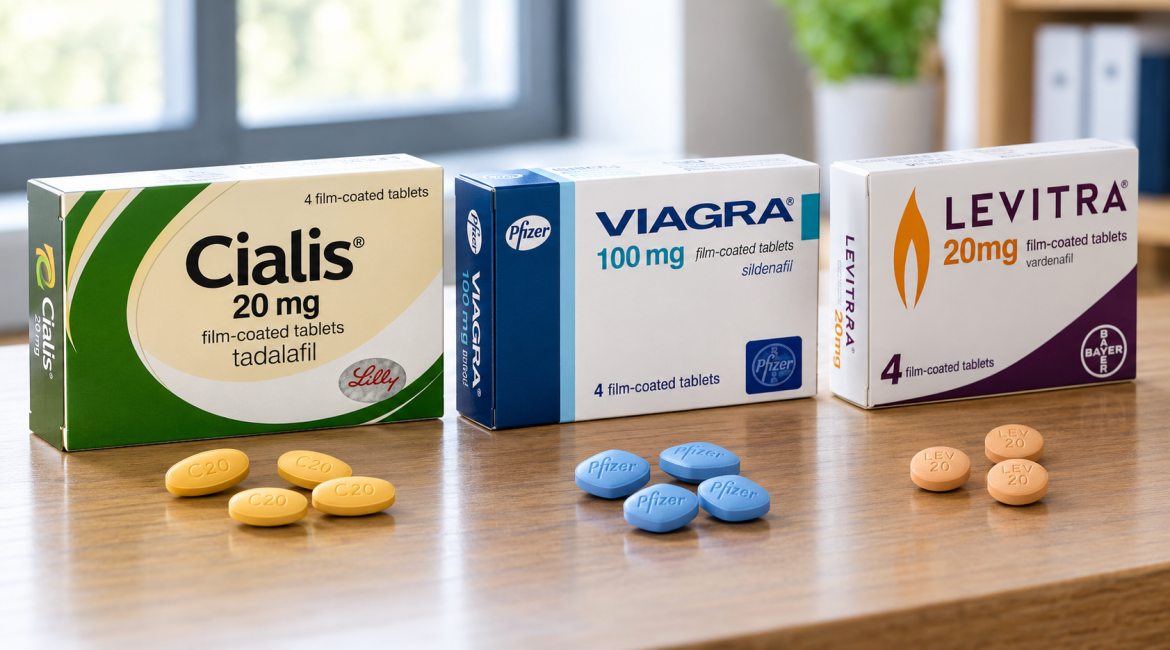
What Is Erectile Dysfunction? A 2026 Clinical Snapshot
Erectile dysfunction (ED) is the persistent inability to achieve or maintain an erection firm enough for satisfactory sexual activity. That’s the clinical definition, and it’s worth sitting with for a moment, because it reframes how most people think about the condition.
ED isn’t a disease in itself. It’s a symptom, a signal that something else in the body, or mind, needs attention. Vascular problems, neurological conditions, hormonal imbalances, and psychological stressors can all produce the same outward result, which is why treatment starts with understanding the cause, not just the symptom.
Current 2026 data shows ED affecting a growing share of men over 40, with prevalence climbing alongside rates of diabetes, obesity, and cardiovascular disease. More notably, clinicians are seeing a steady uptick among younger men, often linked to sedentary habits, vaping and nicotine use, chronic stress, and poor sleep patterns rather than age-related decline alone.
Perhaps the most significant shift in how the medical community approaches ED is this: updated 2026 screening guidelines now treat erectile dysfunction as an early warning sign of cardiovascular disease. The blood vessels in the penis are small and sensitive, often showing signs of restricted blood flow years before a heart attack or stroke occurs. A man reporting ED symptoms to his provider may be catching a cardiovascular issue earlier than he otherwise would have.
The encouraging part is that erection restoration is a well-studied, treatable process for most patients. With accurate diagnosis and the right combination of medical and lifestyle interventions, the majority of men see meaningful improvement, not a permanent condition to simply live with.
What Causes Erectile Dysfunction
Erectile dysfunction rarely stems from a single cause. Most patients present with a mix of physical and psychological contributors that reinforce one another.
On the physical side, the most common drivers include reduced blood flow from atherosclerosis, diabetes, high blood pressure, obesity, low testosterone, and certain medications, including some antidepressants and blood pressure drugs. Each of these interferes with the body’s ability to deliver and sustain blood flow to the penis, which is the mechanical foundation of an erection.
Understanding that mechanism helps explain why so many conditions overlap in causing ED. An erection depends on blood vessels relaxing and filling the penis with blood, a process triggered by nitric oxide, a signaling chemical released in response to arousal. When vascular health is compromised, whether from plaque buildup, high glucose levels, or nicotine’s effect on blood vessels, nitric oxide signaling weakens and erections become harder to achieve or sustain.
Psychological factors operate alongside these physical changes. Performance anxiety, chronic stress, depression, and relationship strain can all suppress arousal signals or create a cycle where anxiety about ED makes the condition worse.
Age, smoking, and sedentary habits compound these risks significantly. Colorado primary care and urology practices consistently report higher ED rates among men who combine two or more of these factors, rather than any single risk acting alone.
In practice, most cases involve overlapping causes. A man with mild hypertension and work-related stress, for example, may need both medical and behavioral intervention, not just one isolated fix.
How Erection Restoration Actually Works
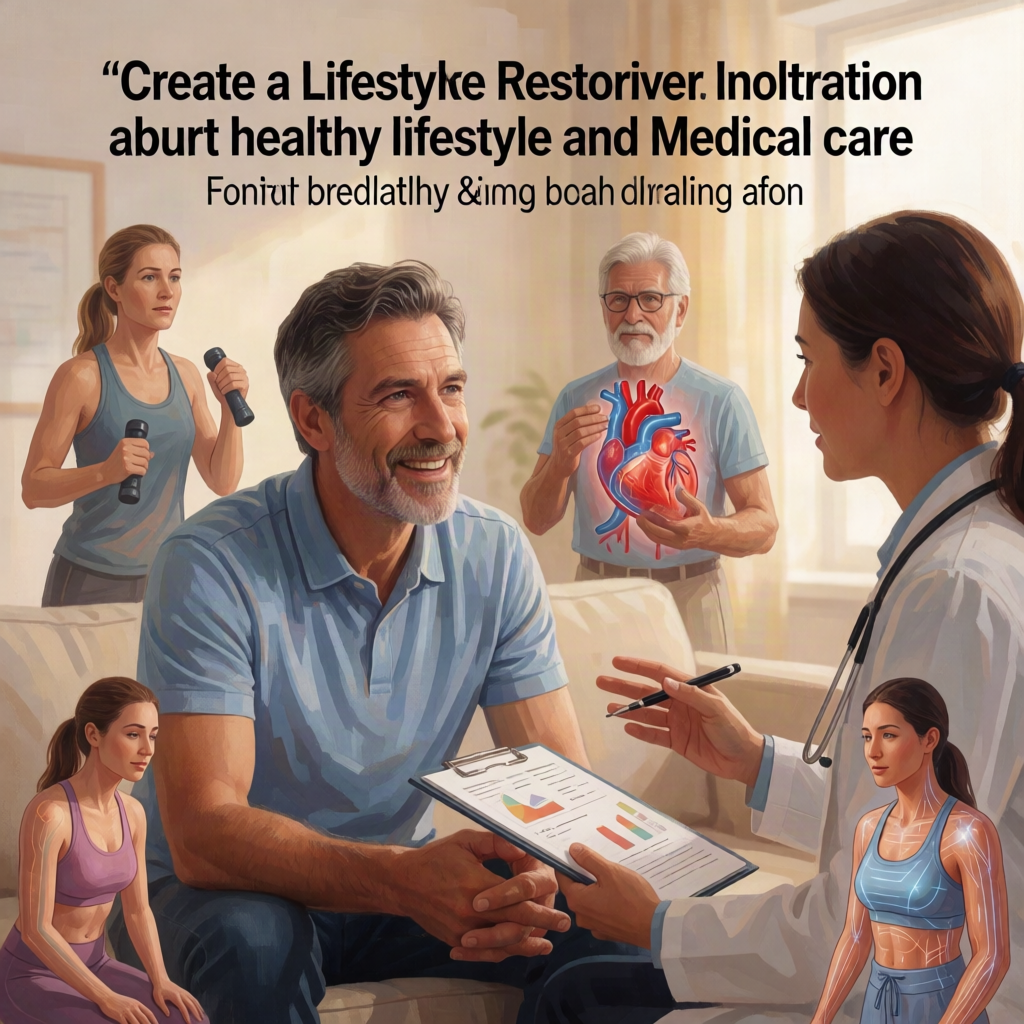
Erection restoration today relies primarily on a class of drugs called PDE5 inhibitors, which includes Viagra, Cialis, and Levitra. The mechanism is straightforward once broken down: an enzyme called phosphodiesterase type 5 naturally limits blood flow to the penis once an erection begins to subside. PDE5 inhibitors temporarily block this enzyme, allowing the blood vessels to stay relaxed longer and sustain increased blood flow when a man is sexually stimulated.
This is a key distinction patients often misunderstand. These medications do not create spontaneous erections. Arousal, whether physical or psychological, still has to trigger the process. The drug simply removes a biochemical roadblock so the body can respond to that arousal more effectively.
At a high level, the three medications differ mainly in how quickly they take effect and how long that effect lasts, details covered in the comparison section below. Some are suited to planned encounters, others to spontaneity, and the right fit often depends on a patient’s routine and how their body metabolizes the medication.
It’s worth emphasizing that medication addresses only the mechanical half of the equation. Long-term, meaningful restoration usually depends on managing underlying contributors such as blood pressure, blood sugar, or chronic stress, alongside the prescription itself.
Because PDE5 inhibitors interact with certain heart conditions and medications, a proper diagnosis from a licensed provider should always precede treatment, rather than starting based on assumption or convenience alone.
Viagra vs. Cialis vs. Levitra: Key Differences
All three medications belong to the same drug class and share a similar mechanism, but they differ enough in timing and tolerance that the choice matters in practice.
| Feature | Viagra (sildenafil) | Cialis (tadalafil) | Levitra (vardenafil) |
|---|---|---|---|
| Onset time | 30-60 minutes | 30-45 minutes | 25-60 minutes |
| Duration | ~4 hours | Up to 36 hours | ~5 hours |
| Food interaction | Reduced effectiveness with heavy, fatty meals | Minimal interaction | Mild interaction with large meals |
| Typical starting dose | 50mg | 10mg | 10mg |
Viagra (sildenafil) is often the first medication people recognize. It works fairly quickly but a heavy meal beforehand can delay or blunt its effect, so timing around food matters.
Cialis (tadalafil) stands apart for its extended window. A single dose can remain effective for up to 36 hours, which is why it’s often chosen by men who prefer spontaneity over scheduling intimacy around a pill. It’s also less affected by food intake.
Levitra (vardenafil) behaves similarly to Viagra in onset, with a slightly longer duration. Some clinicians note it may be better tolerated in men managing mild diabetes, though individual response varies.
No single option is universally “stronger.” The right choice depends on how often a patient anticipates sexual activity, how their body metabolizes the medication, and whether food timing or spontaneity matters more. A provider can help match the medication to the patient’s routine, rather than defaulting to whichever drug is most familiar by name.
Choosing the Right Treatment Safely
PDE5 inhibitors are not appropriate for everyone, and safe use starts with knowing who should avoid them. Patients taking nitrate medications, whether for chest pain or heart disease, should not combine them with Viagra, Cialis, or Levitra, as the interaction can cause a dangerous drop in blood pressure. Those with certain heart conditions, recent stroke or heart attack history, or uncontrolled low blood pressure also require careful evaluation before starting treatment. This is why a medical history review, not a quick checkbox form, matters.
Common side effects tend to be mild and manageable: headache, facial flushing, nasal congestion, mild visual disturbances, and occasional stomach upset. Most resolve on their own and don’t require discontinuing treatment, though persistent or severe symptoms should always be reported to a provider.
Because these medications interact with other prescriptions, including alpha-blockers and certain blood pressure drugs, a full rundown of current medications and health conditions is essential before the first dose. This isn’t a formality. It’s how providers prevent avoidable complications.
It’s also worth normalizing something patients often misread: needing a dosage adjustment is common and expected, not a sign that treatment has failed. Finding the right strength sometimes takes one or two tries.
Under 2026 telehealth prescribing standards, Colorado patients can complete this entire evaluation remotely, consulting a licensed provider online before a prescription is ever filled, making safe access more straightforward without skipping necessary medical oversight.
Our Pharmacy’s Approach to ED Treatment
Our Denver, CO based pharmacy carries Viagra, Cialis, and Levitra, paired with access to licensed consultation support for patients who need guidance before or during treatment. Every medication we dispense is FDA-regulated and sourced through verified channels, so patients can trust what they’re taking matches what’s on the label.
Here’s a straightforward breakdown of what we offer:
Viagra (Sildenafil)
- Key Benefit: Fast-acting relief for on-demand use
- Format/Dosage: Tablets, 25mg, 50mg, 100mg
- Price Note: Generic options available at lower cost than brand-name
- Availability: In-stock for local pickup or shipping
Cialis (Tadalafil)
- Key Benefit: Extended window of effectiveness, useful for spontaneity
- Format/Dosage: Tablets, 5mg (daily use) or 10mg/20mg (as needed)
- Price Note: Daily-dose option may cost more monthly than as-needed use
- Availability: In-stock for local pickup or shipping
Levitra (Vardenafil)
- Key Benefit: Reliable onset, sometimes better tolerated with mild diabetes
- Format/Dosage: Tablets, 5mg, 10mg, 20mg
- Price Note: Comparable to Viagra pricing tiers
- Availability: Available by request, confirm with pharmacy
Pricing is listed clearly before purchase, with no hidden fees or inflated markups. Colorado residents can choose in-person pickup at our Denver location or discreet home shipping statewide.
We’re upfront that no single medication works identically for every patient. Dosage adjustments, switching between options, or combining treatment with lifestyle changes are all normal parts of the process, not signs of failure.
Lifestyle Habits That Support Erection Restoration
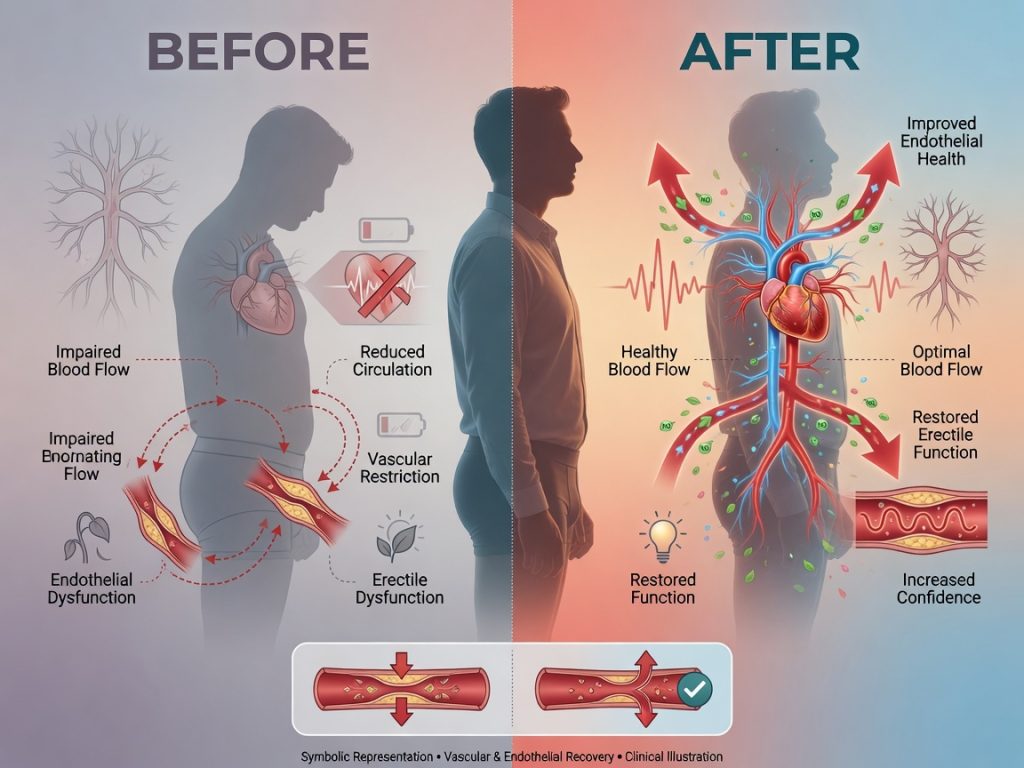
Medication addresses the mechanics of an erection, but it doesn’t operate in isolation. Cardiovascular exercise improves blood flow and vascular health; two factors directly tied to erectile function. Even moderate activity, like brisk walking most days of the week, has measurable benefits. Weight management matters too: excess body fat is linked to lower testosterone and increased vascular strain, both of which worsen ED. Reducing alcohol intake and quitting tobacco use are equally important, since both constrict blood vessels and interfere with nitric oxide production, the same pathway PDE5 inhibitors rely on.
Sleep quality and stress levels are often overlooked in clinical visits, yet poor sleep and chronic stress disrupt hormone regulation and nervous system function, compounding ED risk. Patients who improve sleep hygiene or adopt stress-reduction techniques frequently report better treatment outcomes.
Managing underlying conditions like diabetes and hypertension isn’t just about long-term health, it directly affects how well medications like Viagra, Cialis, or Levitra perform. Well-controlled blood sugar and blood pressure support healthier blood vessels, which improves medication response over time.
Finally, open communication with a partner reduces performance pressure, and counseling can help when anxiety plays a significant role. Erectile dysfunction treatment works best as part of a broader plan, not a single fix. Medication can restore function mechanically, but sustainable results usually come from pairing it with consistent, realistic lifestyle changes.
FAQ
How quickly do Viagra, Cialis, and Levitra start working?
Viagra and Levitra typically begin working in 30 to 60 minutes, while Cialis can act within 30 minutes but offers a window of effectiveness lasting up to 36 hours. Individual factors like metabolism, body weight, and food intake can shift these timelines.
Can erectile dysfunction be permanently cured?
ED is often manageable, and sometimes reversible, depending on the underlying cause. Cases tied to lifestyle factors or temporary stress tend to resolve with treatment, while ED linked to chronic conditions like diabetes may require ongoing management rather than a one-time fix.
Is it safe to take these medications long-term?
Generally, yes, under medical supervision. Regular check-ins with a provider help monitor cardiovascular health, medication interactions, and dosage needs as circumstances change.
What’s the main difference between Viagra, Cialis, and Levitra?
The core distinction lies in onset and duration. Viagra and Levitra act quickly but wear off within hours, while Cialis offers a much longer window, making it appealing for spontaneity.
Do I need a prescription to get these medications in Colorado?
Yes. Colorado patients can obtain prescriptions through in-person visits or licensed telehealth consultations, both of which meet current 2026 prescribing standards.
Erectile dysfunction is common, treatable, and rarely a reason for embarrassment. The most reliable path forward involves proper evaluation rather than guesswork or self-treatment.
Sources: Mayo Clinic, FDA, NIH, American Urological Association, CDC.