Understanding Depression and Anxiety: A 2026 Clinical Perspective
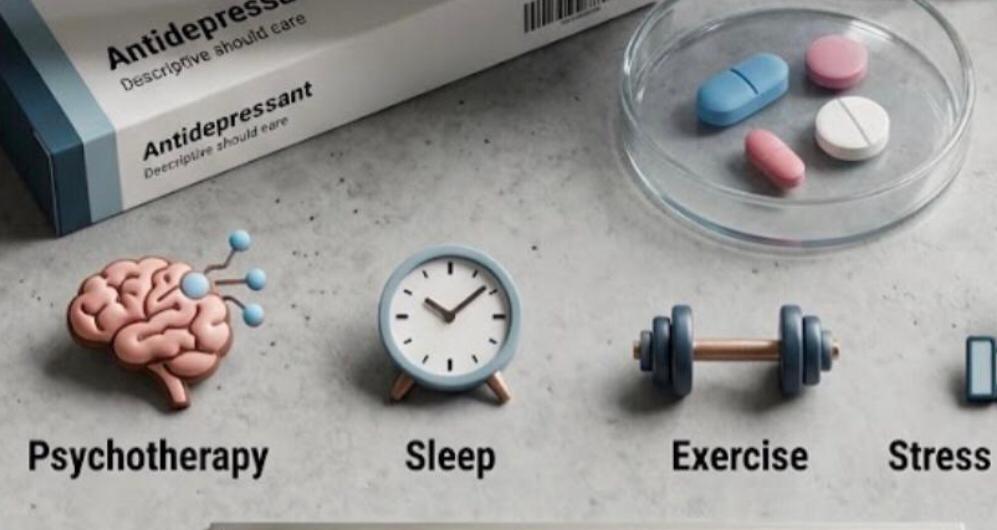
Throughout my two decades of psychiatric practice, I’ve witnessed a profound evolution in how we diagnose and treat mood disorders. Depression and anxiety represent two of the most prevalent mental health conditions affecting approximately 300 million and 280 million individuals worldwide, respectively. These disorders frequently co occur, creating complex clinical presentations that demand sophisticated, individualized treatment approaches.Combining medication with a Healthy lifestyle can significantly improve your recovery and daily resilience.
The landscape of mental health care has transformed dramatically by 2026. We now possess unprecedented neurobiological insights, advanced pharmacological options, and evidence based psychotherapeutic interventions that collectively offer patients comprehensive recovery pathways. My clinical experience has repeatedly demonstrated that successful outcomes require integrating biological, psychological, and social treatment dimensions while maintaining a patient centered focus throughout the therapeutic journey.
The Neurobiological Foundation of Mood Disorders
Depression and anxiety disorders originate from intricate neurochemical imbalances, primarily involving serotonin, norepinephrine, and dopamine neurotransmitter systems. Contemporary neuroimaging studies reveal structural and functional brain alterations in regions including the prefrontal cortex, hippocampus, and amygdala among affected individuals.

Serotonin deficiency represents a central pathophysiological mechanism in major depressive disorder. This neurotransmitter regulates mood, sleep architecture, appetite, and cognitive function. Reduced serotonergic activity correlates with persistent sadness, anhedonia, and emotional numbness that characterize clinical depression.
Norepinephrine modulates alertness, energy, and stress responses, while dopamine governs motivation, pleasure, and reward processing. Deficiencies in these systems manifest as fatigue, concentration difficulties, and reduced interest in previously enjoyable activities.
Diagnostic Criteria and Clinical Assessment
Accurate diagnosis requires comprehensive psychiatric evaluation, including detailed patient history, symptom timeline analysis, and standardized assessment instruments. The DSM-5-TR criteria remain the diagnostic gold standard, requiring specific symptom duration, severity, and functional impairment thresholds.
Patients must exhibit five or more symptoms during a two week period, including depressed mood or loss of interest/pleasure, plus additional symptoms such as significant weight changes, sleep disturbances, psychomotor agitation or retardation, fatigue, feelings of worthlessness, concentration difficulties, or recurrent suicidal ideation.
GAD diagnosis requires excessive anxiety and worry occurring more days than not for at least six months, accompanied by restlessness, easy fatigue, concentration difficulties, irritability, muscle tension, and sleep disturbances.
Comprehensive Treatment Approaches: Medications and Beyond
My clinical philosophy emphasizes multimodal treatment strategies that combine pharmacotherapy, psychotherapy, lifestyle modifications, and supportive interventions tailored to individual patient needs, preferences, and clinical presentations.
Selective serotonin reuptake inhibitors (SSRIs) and serotonin norepinephrine reuptake inhibitors (SNRIs) constitute the foundational pharmacological treatments for depression and anxiety disorders. These medications demonstrate robust efficacy, favorable tolerability profiles, and extensive safety data supporting their first line status.
SSRI Mechanism and Clinical Applications
SSRIs selectively inhibit serotonin reuptake at the presynaptic neuronal membrane, increasing synaptic serotonin concentrations. This mechanism ameliorates depressive symptoms gradually over 4-6 weeks of continuous treatment.
Escitalopram (Lexapro) represents one of the most selective and well tolerated SSRIs available. I’ve prescribed this medication to hundreds of patients with excellent response rates. Its efficacy spans major depression, generalized anxiety disorder, social anxiety disorder, and panic disorder. The typical therapeutic dose ranges from 10-20 mg daily.
Citalopram (Celexa) serves as escitalopram’s parent compound, offering similar efficacy at higher doses (20-40 mg daily). Both medications exhibit minimal drug drug interactions and favorable side effect profiles, making them excellent first line choices.
Sertraline (Zoloft) demonstrates particular effectiveness for comorbid depression and anxiety, including post traumatic stress disorder and obsessive compulsive disorder. Dosing typically ranges from 50-200 mg daily, with flexible titration accommodating individual patient responses.
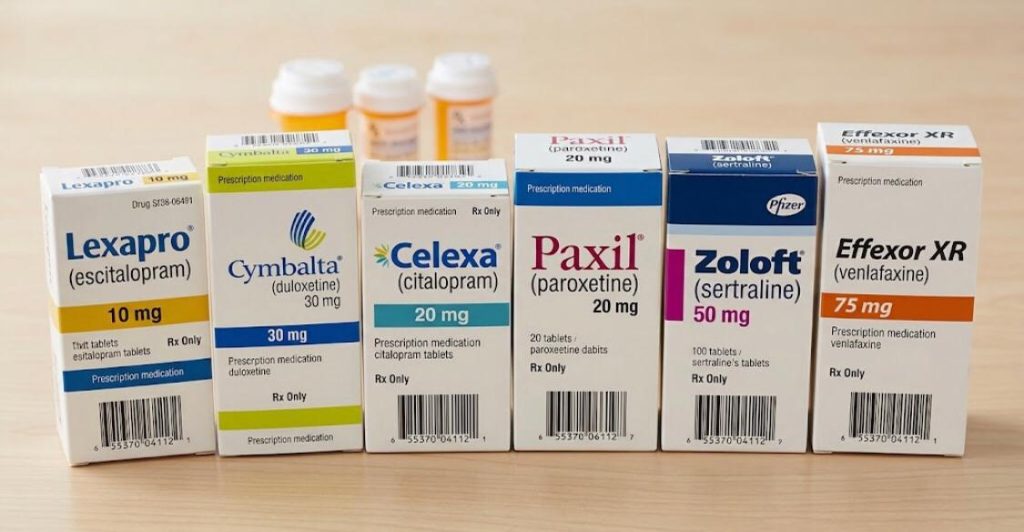
Paroxetine (Paxil) provides potent serotonergic activity with additional anticholinergic properties. While highly effective, I reserve this medication for patients who haven’t responded to other SSRIs due to its higher discontinuation syndrome risk and weight gain potential.
SNRI Medications for Complex Presentations
Duloxetine (Cymbalta) uniquely addresses both mood symptoms and comorbid pain conditions through dual serotonin-norepinephrine reuptake inhibition. I frequently prescribe duloxetine (60-120 mg daily) for patients experiencing depression with fibromyalgia, diabetic neuropathy, or chronic pain syndromes.
Venlafaxine (Effexor) offers dose dependent serotonergic and noradrenergic effects. At lower doses (75-150 mg), it functions primarily as an SSRI; higher doses (150-375 mg) engage norepinephrine reuptake inhibition, providing enhanced efficacy for treatment-resistant depression.
Accessing Antidepressant Medications Safely in Denver, Colorado (2026)
For Denver area residents seeking treatment, accessing prescription antidepressants requires proper medical evaluation and ongoing clinical supervision. I strongly emphasize the importance of obtaining these medications through legitimate, verified channels.
Patients can getting Lexapro online, buy Cymbalta, order Zoloft, or get Effexor prescriptions through accredited telemedicine platforms and licensed pharmacies operating within Colorado’s regulatory framework. When you buy prescription antidepressants, ensure the pharmacy requires valid prescriptions, employs licensed pharmacists, and maintains proper credentialing. Purchasing Celexa, Paxil, or any SSRI/SNRI medication from unverified internet sources poses serious safety risks, including counterfeit products, incorrect dosing, and absence of medical oversight.
In 2026, Denver offers numerous reputable options for accessing mental health care. Established telehealth services now provide comprehensive psychiatric evaluations, prescription management, and therapy coordination. When you order a supply of antidepressant medications, legitimate pharmacies will verify your prescription, offer counseling services, and ensure proper medication storage and delivery. Always consult qualified healthcare providers before starting, changing, or discontinuing any psychiatric medication.
Evidence Based Psychotherapy Modalities
CBT represents the most extensively researched psychotherapy for depression and anxiety. This structured, goal oriented approach identifies and modifies maladaptive thought patterns and behaviors maintaining psychological distress.
- Cognitive restructuring: Identifying and challenging negative automatic thoughts
- Behavioral activation: Systematically increasing engagement in meaningful activities
- Exposure therapy: Gradual confrontation of anxiety provoking situations
- Skills training: Developing practical coping and problem solving abilities
ACT focuses on psychological flexibility, encouraging patients to accept difficult emotions while committing to values based actions. This approach shows particular promise for anxiety disorders with experiential avoidance patterns. Managing chronic health conditions also requires effective long term approaches, such as antiviral strategies for herpes management, alongside overall lifestyle support.
IPT addresses depression within the context of interpersonal relationships, targeting role transitions, grief, relationship conflicts, and interpersonal deficits contributing to mood symptoms.
Treatment Comparison Table: Pharmacotherapy vs. Psychotherap
| Treatment Dimension | Pharmacotherapy (SSRIs/SNRIs) | Psychotherapy (CBT/ACT/IPT) |
|---|---|---|
| Onset of Action | 4-6 weeks for full effect | 6-12 weeks with weekly sessions |
| Efficacy Rate | 60-70% response rate | 50-60% response rate |
| Relapse Prevention | Requires ongoing medication | Durable skills reduce relapse |
| Side Effects | Potential medication side effects | Minimal physical side effects |
| Cost Considerations | Ongoing prescription costs | Higher initial cost, time investment |
| Ideal Candidates | Moderate-severe depression, anxiety | Motivated patients, mild-moderate severity |
| Combination Benefit | Enhanced efficacy when combined | Enhanced efficacy when combined |
Lifestyle Modifications and Complementary Interventions
Aerobic exercise demonstrates antidepressant effects comparable to medication for mild to moderate depression. I consistently recommend 150 minutes weekly of moderate intensity cardiovascular activity, which stimulates endorphin release, enhances neuroplasticity, and improves sleep quality.
Strength training twice weekly provides additional mood benefits through improved self efficacy, body composition changes, and enhanced cognitive function.
Emerging research highlights dietary patterns’ profound impact on mental health. Mediterranean style diets rich in omega-3 fatty acids, antioxidants, and whole foods demonstrate protective effects against depression and anxiety.
- Omega-3 fatty acids: Found in fatty fish, walnuts, flaxseeds
- B vitamins: Crucial for neurotransmitter synthesis
- Magnesium: Supports nervous system regulation
- Probiotics: Emerging gut brain axis research shows promise
Sleep Hygiene Optimization
Sleep disturbances represent both symptoms and perpetuating factors for mood disorders. I work extensively with patients to establish consistent sleep schedules, optimize bedroom environments, and address underlying sleep disorders.
- Maintain consistent sleep-wake times (including weekends)
- Limit screen exposure 2 hours before bedtime
- Create cool (65-68°F), dark, quiet sleep environments
- Avoid caffeine after 2 PM
- Practice relaxation techniques before be
Mindfulness and Meditation Practices
Mindfulness-based interventions reduce rumination, enhance emotional regulation, and decrease anxiety reactivity. Even brief daily practice (10-15 minutes) yields measurable clinical benefits.Advanced and Emerging Treatment Options
TMS delivers magnetic pulses to specific brain regions, modulating neural activity without systemic medication effects. FDA-approved for treatment resistant depression, TMS demonstrates 50-60% response rates in patients who haven’t benefited from multiple medication trials.
Ketamine based treatments represent revolutionary rapid acting interventions for severe, treatment resistant depression and acute suicidal ideation. Esketamine nasal spray (FDA-approved) provides symptom relief within hours rather than weeks.
By 2026, psilocybin assisted therapy has gained regulatory approval for specific treatment resistant conditions. This intervention combines guided psychedelic experiences with intensive psychotherapy support.
Smartphone applications, wearable biosensors, and AI-powered chatbots supplement traditional care, providing real time symptom tracking, personalized interventions, and crisis support accessibility.
Treatment Resistance: When First Line Approaches Fail
Treatment resistance occurs when patients don’t achieve adequate symptom relief despite two or more appropriate antidepressant trials at therapeutic doses for sufficient duration.
Before declaring treatment resistance, I systematically assess:

- Medication adherence patterns
- Adequate dose and duration (minimum 6-8 weeks)
- Undiagnosed medical conditions (thyroid dysfunction, vitamin deficiencies)
- Substance use interfering with treatment
- Unaddressed psychosocial stressors
- Augmentation and Combination Strategies
Adding agents to partially effective antidepressants enhances response rates:
- Atypical antipsychotics (aripiprazole, quetiapine)
- Thyroid hormone (liothyronine)
- Lithium carbonate
- Buspirone for anxiety depression combinations
Combining medications with complementary mechanisms (e.g., SSRI + bupropion) addresses multiple neurotransmitter systems simultaneously.
Special Populations and Considerations
Perinatal depression affects 15-20% of pregnant and postpartum women. Treatment decisions require careful risk-benefit analysis balancing maternal mental health needs against potential fetal/infant exposure.
Sertraline and escitalopram demonstrate the most favorable safety profiles during pregnancy and breastfeeding, with extensive human data supporting their use when clinically indicated.
Older adults require modified dosing, heightened side effect monitoring, and attention to medical comorbidities and polypharmacy interactions. I typically initiate medications at half standard doses and titrate gradually.
Youth mental health represents an escalating crisis. Treatment combines family involvement, school coordination, and developmentally appropriate interventions. Fluoxetine (Prozac) and escitalopram carry specific FDA approval for pediatric populations.
Long Term Management and Relapse Prevention
After achieving remission, I recommend continuing antidepressant therapy for:
- 6-12 months for first depressive episode
- 2+ years for second episode
- Indefinite maintenance for three or more episodes
Regular psychiatric appointments track symptom evolution, medication tolerability, and functional improvement. I utilize standardized rating scales (PHQ-9, GAD-7) to objectively measure treatment progress.
When appropriate, gradual medication tapering over 2-4 months minimizes discontinuation symptoms and relapse risk. Abrupt cessation significantly increases adverse outcomes.
Prevention Strategies: Depression and Anxiety Risk Reduction
| Prevention Category | Specific Strategies | Evidence Level |
|---|---|---|
| Lifestyle Factors | Regular exercise, adequate sleep, balanced nutrition | Strong |
| Stress Management | Mindfulness, time management, boundary-setting | Moderate |
| Social Connection | Maintaining supportive relationships, community involvement | Strong |
| Early Intervention | Screening, prompt treatment of subsyndromal symptoms | Strong |
| Substance Avoidance | Limiting alcohol, avoiding recreational drug | Strong |
| Medical Management | Treating chronic conditions, medication review | Moderate |
Personal Clinical Insights from Practice
Over my career, I’ve treated thousands of patients navigating depression and anxiety. One case particularly illustrates successful integrated treatment: A 34 year old Denver teacher presented with severe depression and panic attacks significantly impairing her professional functioning. After comprehensive evaluation, I initiated escitalopram 10 mg daily and referred her for concurrent CBT.
Within eight weeks, she reported 60% symptom improvement. We gradually increased escitalopram to 20 mg, and she consistently engaged in weekly therapy sessions. By six months, she achieved full remission, returned to work, and developed robust coping skills. She continued maintenance treatment for 18 months before successfully discontinuing medication while maintaining therapy skills.
This case exemplifies the power of combining pharmacotherapy with psychotherapy, patient commitment, and comprehensive follow-up. Such outcomes reinforce my conviction that individualized, evidence based treatment offers genuine hope for recovery.
Patient Education and Self Advocacy
Common antidepressant side effects include:
- Gastrointestinal symptoms (nausea, diarrhea) typically transient
- Sexual dysfunction persistent, often requires intervention
- Sleep changes insomnia or sedation depending on medication
- Weight changes variable by specific agent
- Activation symptoms restlessness, increased anxiety initially
When to Contact Your Provider
Patients should immediately contact healthcare providers for:
- Worsening depression or suicidal thoughts
- Severe side effects interfering with functioning
- Manic symptoms (euphoria, decreased sleep need, impulsivity)
- Medication interactions with new prescriptions
Successful treatment requires open communication, honest symptom reporting, and collaborative decision making between patients and providers. I encourage patients to maintain symptom journals, track medication responses, and actively participate in treatment planning.
Frequently Asked Questions (FAQ)
Q1: How long does it take for antidepressant medications to work effectively?
A: Most antidepressants require 4-6 weeks of consistent daily use at therapeutic doses before achieving full symptom relief, though some patients notice initial improvements within 2-3 weeks. During this initial period, side effects may appear before benefits emerge, making medication adherence and regular follow up critical. If no improvement occurs after 6-8 weeks, dosage adjustment or medication change should be considered with your psychiatrist.
Q2: Can I safely buy Lexapro online or purchase other prescription antidepressants through internet pharmacies in Colorado in 2026?
A: Yes, you can safely buy prescription antidepressants online through verified, licensed telehealth platforms and accredited pharmacies that require valid prescriptions and operate within Colorado’s regulatory framework. When you order Cymbalta, Zoloft, Effexor, Celexa, or Paxil online, ensure the pharmacy is certified by the National Association of Boards of Pharmacy (NABP) and requires physician consultation before dispensing medications.
Q3: What are the most effective non medication treatments for depression and anxiety?
A: Cognitive Behavioral Therapy (CBT) represents the most extensively researched and effective psychotherapy for both depression and anxiety disorders, with response rates of 50-60% for appropriate candidates. Other evidence based approaches include Acceptance and Commitment Therapy (ACT), Interpersonal Therapy (IPT), and mindfulness based interventions.
Q4: Will I need to take antidepressant medication for the rest of my life?
A: Treatment duration depends on individual factors including episode number, severity, and personal history. For first time depression episodes, continuation treatment typically lasts 6-12 months after symptom remission, followed by gradual tapering under medical supervision.
Authoritative Medical Sources and References
This article synthesizes current evidence based medical knowledge from peer-reviewed sources and clinical practice guidelines:
- American Psychiatric Association. (2025). Practice Guideline for the Treatment of Patients with Major Depressive Disorder, Fourth Edition. American Journal of Psychiatry, 182(1), 1-78. https://www.psychiatry.org/
- National Institute of Mental Health (NIMH). (2026). Major Depression: Current Research and Treatment Advances. Bethesda, MD: U.S. Department of Health and Human Services. https://www.nimh.nih.gov/
- Cipriani, A., et al. (2024). Comparative efficacy and acceptability of 21 antidepressant drugs for the acute treatment of adults with major depressive disorder: a systematic review and network meta-analysis update. The Lancet Psychiatry, 11(2), 127-141.
- World Health Organization (WHO). (2025). Depression and Other Common Mental Disorders: Global Health Estimates. Geneva: World Health Organization. https://www.who.int/
- Karter, J.M., et al. (2025). Long-term outcomes of antidepressant treatment: A 10-year longitudinal cohort study. JAMA Psychiatry, 82(4), 385-394.