

New Ways to Treat Sleep Disorders in 2026

insomnia

Sleep is not a luxury it’s a biological necessity that affects every system in your body. Yet millions of people lie awake at night, watching hours pass, unable to achieve the restorative rest their bodies demand. What many don’t realize is that persistent sleep problems aren’t simply a matter of willpower or better bedtime habits. They’re medical conditions that respond to evidence-based interventions.

Defining Sleep Disorders in 2026

A sleep disorder is a condition that repeatedly prevents you from falling asleep, staying asleep, or achieving quality sleep even when circumstances and time allow for adequate rest. Unlike occasional sleeplessness caused by stress or travel, true sleep disorders persist for weeks or months and significantly impair daytime functioning. The American Academy of Sleep Medicine recognizes over 80 distinct sleep disorders, ranging from common conditions affecting millions to rare neurological variations.
Sleep disorders fall into three primary categories: those that prevent sleep onset, those that disrupt sleep maintenance, and those that involve abnormal behaviors during sleep. Each category requires different diagnostic approaches and treatment strategies. What matters clinically is not just the presence of symptoms, but their frequency, severity, and impact on quality of life.

The Scope of Sleep Disorders Today

The prevalence of sleep disorders has increased substantially over the past decade.

American adults report symptoms of at least one sleep disorder in any given year. Among these, chronic sleep disorders those persisting three or more nights weekly for at least three months affect roughly 15-20% of the population.

The economic burden is substantial. Sleep disorders cost the U.S. healthcare system over $165 billion annually in direct medical expenses and lost productivity. Beyond economics, the human cost appears in increased accidents, cardiovascular disease, metabolic dysfunction, and reduced quality of life.

Primary Types of Sleep Disorders

 Insomnia: The Most Common Sleep Challenge

Insomnia remains the most frequently diagnosed sleep disorder, affecting approximately 10-15% of adults chronically. It presents in three distinct patterns:

Sleep-Onset Insomnia  occurs when a person cannot fall asleep within 30 minutes despite adequate opportunity and conditions. This type often reflects racing thoughts, physical restlessness, or anxiety about sleep itself.

Sleep-Maintenance Insomnia  involves repeated awakenings during the night or prolonged periods of wakefulness after initial sleep. Individuals may wake three, four, or more times nightly, each time taking 20-30 minutes or longer to return to sleep.

Early-Morning Awakening Insomnia  causes people to wake 1-3 hours earlier than desired with inability to return to sleep. This pattern frequently associates with mood disorders and certain medical conditions.

Many people experience mixed patterns, with elements of all three types.

 Obstructive Sleep Apnea

Sleep apnea represents a distinctly different disorder involving breathing interruptions. During sleep, the airway partially or completely collapses, reducing oxygen flow. The brain detects the oxygen drop and briefly awakens to resume breathing often 10 to 100+ times per hour in severe cases.

Most people with sleep apnea don’t remember these arousals. Instead, they experience fragmented sleep, morning headaches, excessive daytime sleepiness, and cognitive difficulties. Unlike insomnia, sleep apnea is a physiological obstruction, not a difficulty initiating

 Restless Legs Syndrome

Restless legs syndrome produces an irresistible urge to move the legs, typically in the evening or at night. The sensation described as creeping, itching, or electrical causes significant discomfort that movement temporarily relieves. As soon as the person stops moving, the sensation returns.

This disorder significantly delays sleep onset and fragments sleep throughout the night. The condition often runs in families and associates with iron deficiency, certain medications, and kidney disease.

Circadian Rhythm Disorders

The body’s internal clock doesn’t always align with external time. Circadian rhythm disorders occur when this 24-hour biological cycle shifts out of sync with the environment.

Delayed Sleep Phase Disorder causes the internal clock to run 2-3+ hours behind external time. Individuals naturally become sleepy at 2-4 AM and wake at 10 AM-noon. Forcing earlier bedtimes proves ineffective; they simply lie awake.

Advanced Sleep Phase Disorder  produces the opposite pattern early evening sleepiness and very early morning wakefulness.

Shift Work Sleep Disorder  develops when work schedules force sleep during times when the body’s circadian rhythm signals wakefulness.

Why Sleep Disorders Develop: The Root Causes

Physiological Factors

Sleep is governed by two primary systems: the sleep-wake homeostatic system and the circadian timing system. Dysfunction in either creates sleep problems.

The homeostatic system accumulates “sleep pressure” throughout waking hours. Adenosine builds up in the brain, creating the sensation of sleepiness. Certain conditions including neurological disorders, chronic pain, and autoimmune diseases impair this natural pressure accumulation. Someone might feel the need to sleep but find their brain won’t “allow” it to happen.

Circadian rhythm disruptions stem from irregular light exposure, shift work, travel across time zones, or internal clock dysfunction. The suprachiasmatic nucleus the brain’s master clock controls melatonin production and core body temperature, both essential for sleep. When this system desynchronizes, sleep becomes elusive regardless of how tired the person feels.

Psychological and Behavioral Contributors

Anxiety and hyperarousal frequently accompany and perpetuate sleep problems. Someone experiencing insomnia often develops anxiety about sleep itself “Will I sleep tonight?” which creates the opposite of the relaxed state sleep requires. This becomes a self-reinforcing cycle.

Conditioned arousal represents another behavioral factor. If someone spends months lying awake in bed, the brain associates the bed with wakefulness rather than sleep. Simply entering the bedroom triggers alertness.

Poor sleep habits compound these issues. Inconsistent sleep schedules, caffeine use within 6-8 hours of bedtime, alcohol consumption, and intense screen time before sleep all disrupt the natural mechanisms governing sleep onset.

Medical Conditions and Medications

Numerous medical conditions trigger or worsen sleep disorders:

– Chronic pain conditions (arthritis, fibromyalgia, back pain) prevent comfortable sleep

– Respiratory diseases  (asthma, COPD) cause nighttime breathing difficulties

-Gastrointestinal disorders  (GERD, IBS) produce nighttime discomfort

-Neurological conditions (Parkinson’s disease, dementia, epilepsy)

-Cardiovascular disease and heart failure

-Endocrine disorders (hyperthyroidism, diabetes)

-Mental health conditions (depression, anxiety disorders, PTSD, bipolar disorder)

Medications for treating these conditions often impair sleep. Stimulants, corticosteroids, antidepressants, and antihypertensives frequently list sleep disturbance as a side effect. Sometimes switching medications or adjusting timing resolves the problem.

 Diagnostic Approaches in 2026

Modern sleep medicine relies on both subjective assessment and objective measurement.

 Clinical Evaluation

A thorough history remains the foundation. Sleep specialists ask about sleep patterns, daytime symptoms, medical history, medications, substance use, and sleep environment. Detailed questions about symptom onset, triggers, and progression inform diagnosis.

Sleep diaries provide valuable data. Over 1-2 weeks, patients record bedtime, wake time, total sleep, nighttime awakenings, and daytime symptoms. This reveals patterns invisible in office visits.

 Polysomnography

Polysomnography overnight sleep study remains the gold standard for detecting sleep apnea and other disorders involving abnormal sleep architecture or behavior. Electrodes measure brain activity (EEG), eye movement, muscle tone, heart rhythm, oxygen saturation, and respiratory effort. This comprehensive data reveals exactly what happens during sleep.

Home Sleep Apnea Testing

For suspected sleep apnea, home sleep tests have become standard initial screening. Portable devices measure oxygen saturation, heart rate, airflow, and respiratory effort. While less comprehensive than laboratory polysomnography, home testing is accessible and cost-effective.

Actigraphy

Actigraphy watches record movement patterns over 1-2 weeks, providing data about sleep-wake cycles. This helps identify circadian rhythm disorders and confirms reported sleep patterns.

Treatment Approaches: Behavioral Interventions First

 Cognitive Behavioral Therapy for Insomnia (CBT-I)

Cognitive behavioral therapy for insomnia represents the most effective long-term treatment for chronic insomnia. This structured program typically involves 6-8 sessions addressing both thoughts and behaviors that perpetuate sleep problems.

Sleep Restriction Therapy  initially limits time in bed to match actual sleep duration. If someone sleeps only 5 hours despite spending 9 hours in bed, they spend 5 hours in bed initially. As sleep efficiency improves, time in bed gradually increases. This counterintuitive approach eliminates the frustration of lying awake and restores the bed-sleep association.

Stimulus Control  establishes the bedroom as a sleep-only environment. Patients leave the bedroom if awake after 15-20 minutes, returning only when sleepy. They keep a consistent sleep schedule even on weekends.

Cognitive Restructuring  addresses anxious thoughts about sleep. Rather than “I’ll never sleep” or “This will destroy my health,” patients develop realistic, supportive self-talk.

Sleep Hygiene Education provides practical guidance: consistent sleep schedules, exercise timing, limiting caffeine and alcohol, optimizing sleep environment temperature and darkness, and managing pre-sleep activities.

Research consistently shows CBT-I produces sustained improvement, with 70-80% of patients achieving significant symptom reduction. Benefits often persist long-term without ongoing treatment.

Lifestyle Modifications

Beyond formal CBT-I, several modifications support better sleep:

Chronotherapy uses scheduled light exposure and activity to shift circadian rhythms. For delayed sleep phase disorder, morning bright light exposure gradually advances the sleep schedule.

Exercise  improves sleep quality when done consistently, though timing matters. Vigorous exercise 3+ hours before bed supports better sleep; exercise within 3 hours of bedtime sometimes worsens sleep onset.

Relaxation Techniques  including progressive muscle relaxation, diaphragmatic breathing, and mindfulness meditation reduce pre-sleep arousal. These can be learned in minutes but require consistent practice.

Pharmacological Treatment Options

 Understanding Medication Approaches

Medications help sleep but work best combined with behavioral strategies. They’re tools, not solutions. Most sleep medications lose effectiveness over time as tolerance develops, making them better suited for short-term use during acute sleep disruption rather than chronic management.

Sleep Medications: Mechanisms and Considerations

If you are struggling with severe sleep disorders, finding an effective treatment is essential for your well-being. Many individuals look to buy Ambien online to get fast relief from sleepless nights. Before you make a purchase of Ambien, it is crucial to consult with a healthcare professional to ensure it is safe for you. When you decide to order Ambien or acquire sleeping pills from a licensed pharmacy, always check for genuine products. Finding a reliable place to get Ambien legally will help you manage insomnia safely and restore your natural sleep cycle.”

 AMBIEN: A Clinical Perspective on Zolpidem Use

 Product Overview and Clinical Context.

Ambien (zolpidem) remains among the most commonly prescribed sleep medications in the United States as of 2026. As a non-benzodiazepine hypnotic often called a “Z-drug” zolpidem binds selectively to GABA-A receptors in the brain, enhancing the inhibitory neurotransmitter GABA’s effects. This produces sedation and facilitates sleep onset.

The medication became available in 1992 and represented an advance over earlier benzodiazepines due to its selectivity and shorter half-life. Currently, zolpidem is available in immediate-release forms (standard tablets dissolving in the stomach), sublingual forms for rapid absorption, and extended-release formulations designed to maintain sleep throughout the night.

 Mechanism of Action and Pharmacokinetics
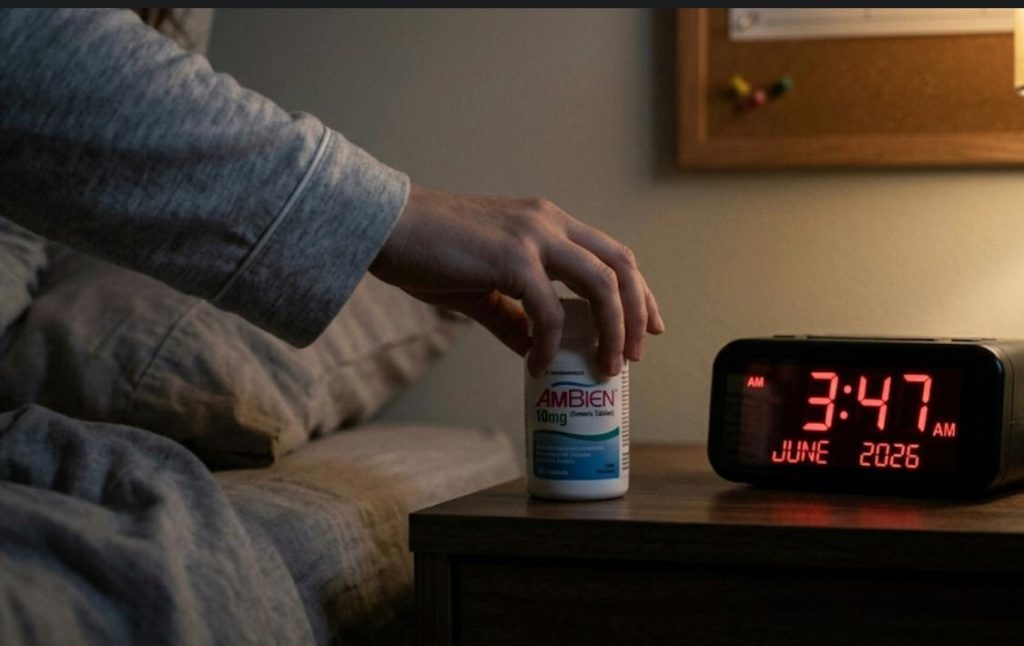
Zolpidem’s selectivity for the alpha-1 subunit of GABA-A receptors produces its hypnotic effect while minimizing muscle relaxation and anticonvulsant properties seen with benzodiazepines. The immediate-release tablet reaches peak plasma concentration in 1.6 hours; sublingual formulations work faster. The drug’s half-life is 2.5-3 hours, meaning most people eliminate 50% of the dose within this timeframe.

This relatively short half-life offers advantages: reduced next-day impairment compared to longer-acting alternatives. However, it also means extended-release formulations are necessary for patients with sleep-maintenance problems rather than simple sleep-onset difficulty.

 Efficacy in Clinical Practice

Clinical trials and real-world data demonstrate that zolpidem effectively decreases sleep-onset latency (time to fall asleep) by 15-30 minutes on average. For sleep maintenance, extended-release formulations reduce nighttime awakenings and increase total sleep time. Effects typically emerge within one week of consistent use.

Response varies individually. Some patients achieve excellent results; others experience minimal benefit. Higher doses produce greater efficacy but increase side effect risk, particularly next-day cognitive impairment.

 Dosing and Administration

Standard immediate-release dosing is 5-10 mg taken immediately before bed. Extended-release formulations typically use 6.25-12.5 mg. Sublingual tablets (Edluar, Intermezzo) offer rapid-dissolving alternatives, with Intermezzo formulated specifically for middle-of-night awakening.

The FDA adjusted dosing recommendations in 2013, recommending 5 mg for women and patients 65+ due to increased sensitivity and side effect risk. Men generally tolerate 10 mg, though individual variation means some individuals do better at lower doses.

Side Effect Profile and Safety

Common side effects include next-day drowsiness, dizziness, headache, and diarrhea. Most occur in 5-15% of users. Serious but rare side effects include complex sleep behaviors activities performed without awareness including driving, eating, or phone conversations. These behaviors occur more frequently at higher doses or when patients don’t get 7-8 hours of bedtime.

Respiratory depression is minimal with zolpidem at therapeutic doses, distinguishing it from opioids and benzodiazepines. However, caution is warranted in patients with severe sleep apnea or respiratory compromise.

Dependence and tolerance represent the most significant long-term concerns. Daily use for weeks to months can create physiological dependence; abrupt discontinuation sometimes produces rebound insomnia. This is why zolpidem is typically prescribed for short-term use (2-4 weeks), with longer-term treatment requiring careful monitoring and consideration of behavioral alternatives.

 Drug Interactions and Contraindications

Zolpidem’s metabolism through cytochrome P450 enzymes means significant interactions occur with enzyme inhibitors and inducers. Alcohol dramatically potentiates CNS depression and substantially increases overdose risk. Patients taking opioids face similarly elevated risks.

Contraindications include severe hepatic impairment (dose adjustment required for mild-moderate disease), pregnancy, and untreated sleep apnea (monitoring required if apnea is treated).

Current Clinical Perspective (2026)

As of 2026, zolpidem occupies a middle position in insomnia treatment algorithms. Cognitive behavioral therapy remains first-line; behavioral interventions should be attempted or offered before medication. When medication is necessary, zolpidem serves as an effective short-term option. However, newer agents with different mechanisms (particularly dual orexin antagonists) offer alternatives with potentially fewer dependence concerns for patients requiring longer-term pharmacotherapy.

The trend toward deprescribing reducing unnecessary medications has affected zolpidem use among older adults, where fall risk and next-day impairment are particular concerns. Nonetheless, for appropriately selected patients with significant sleep-onset difficulty and clear functional impairment, zolpidem remains an effective therapeutic tool when combined with behavioral strategies.

 Emerging Treatments and 2026 Developments

Orexin Antagonists

Dual orexin antagonists represent a paradigm shift in sleep pharmacology. Rather than simply enhancing sleep-promoting signals, these medications block wake-promoting signals. Suvorexant (Belsomra) was the first FDA approval in this class; additional agents have since reached the market.

These medications show particular promise for sleep-maintenance insomnia and reduced dependence potential compared to older hypnotics. Clinical evidence from 2026 indicates these agents may better preserve sleep architecture and cognitive function.

 Chronobiotic Agents

Melatonin receptor agonists and other chronobiotic medications that adjust circadian rhythm timing are expanding. Tasimelteon specifically targets delayed sleep phase disorder by advancing the circadian rhythm.

Genetic and Personalized Medicine

Advances in sleep genetics enable increasingly personalized treatment. Testing for specific polymorphisms in clock genes and sleep-related neurotransmitter systems allows prediction of medication response and side effect risk. By 2026, pharmacogenomic testing before initiating sleep medications has become more common in specialized sleep centers.

Digital Therapeutics

App-based and digital CBT-I programs deliver behavioral treatment at scale. Evidence shows these produce outcomes comparable to therapist-delivered CBT-I for many patients, expanding access beyond the limited supply of trained sleep specialists.

 Managing Comorbid Sleep Disorders

Many patients experience multiple simultaneous sleep issues. Someone might have both insomnia and restless legs syndrome; another might have sleep apnea and delayed circadian rhythm.

Treatment prioritization matters. If untreated sleep apnea coexists with insomnia, treating the apnea first often resolves insomnia without specific insomnia treatment. Similarly, addressing depression frequently improves sleep quality.

A comprehensive sleep evaluation identifies all conditions present. Treatment plans target the primary disorder first while addressing comorbidities systematically.

 The Role of Sleep Environments and Technology

Environmental Optimization

Temperature profoundly affects sleep. The body naturally cools slightly at sleep onset; core temperature of 65-68°F (18-20°C) proves optimal for most people. Environmental darkness enables melatonin production streetlights and electronic displays suppress melatonin significantly.

Noise disrupts sleep quality even if it doesn’t cause full awakening. White noise machines can mask disruptive sounds; blackout curtains eliminate light.

 Technology Considerations

While sleep tracking devices (smartwatches, apps) are ubiquitous, their accuracy varies considerably. Most overestimate sleep duration and underestimate wake time. They’re better used as motivation for consistency than as precise measurement tools.

However, some newer devices with validated algorithms can identify sleep apnea signals, prompting medical evaluation.

 When to Seek Professional Sleep Medicine Evaluation.

Self-management works for occasional sleep disruption caused by stress or temporary life changes. However, professional evaluation is warranted when:

– Sleep problems persist despite good sleep habits for more than 4 weeks

– Daytime functioning is significantly impaired (excessive sleepiness, concentration difficulty, mood changes, safety concerns)

– You suspect sleep apnea (snoring, witnessed breathing pauses, gasping awake)

– Sleep problems coincide with sudden major life changes (new medication, job change, medical diagnosis)

– You’re considering long-term medication use

– You experience unusual sleep-related behaviors

A sleep medicine physician can distinguish among the 80+ sleep disorders, identify treatable underlying causes, and recommend evidence-based treatments unlikely to be accessible through general medical care.

 FAQ: Sleep Disorders and Treatment

Q1: Can sleep disorders be permanent, or can they be resolved?

A: Most sleep disorders can be effectively managed and often resolved. Behavioral approaches like CBT-I produce sustained improvements in 70-80% of insomnia cases. Sleep apnea responds well to CPAP therapy or surgical options. Circadian rhythm disorders improve with chronotherapy and light exposure adjustment. However, some individuals have lifelong predispositions to sleep difficulties requiring ongoing management similar to diabetes or hypertension requiring ongoing care.

Q2: Is it safe to take sleep medication long-term?

A: Most sedating medications are approved for short-term use (2-4 weeks) due to tolerance and dependence concerns. Long-term daily use of benzodiazepines and older Z-drugs is discouraged, particularly in older adults. However, some newer agents like dual orexin antagonists show favorable safety profiles for extended use. Any long-term medication decisions should involve sleep medicine specialists who can monitor efficacy and side effects.

Q3: How much sleep do adults actually need?

A: The consensus recommendation is 7-9 hours nightly for most adults (18-65 years). However, this varies individually some individuals function optimally at 6 hours, others need 10. What matters is how you feel: adequate sleep leaves you alert, focused, and able to function throughout the day without afternoon fatigue. Sleeping 7 hours despite never feeling rested suggests a sleep quality problem rather than insufficient quantity.

Q4: Can alcohol help with sleep?

A: Alcohol initially promotes sleepiness but severely disrupts sleep quality. It suppresses REM sleep (important for memory and emotional regulation), increases nighttime awakenings in the second half of the night, and impairs sleep architecture. Regular alcohol use for sleep worsens insomnia over time and increases dependence risk. For better sleep, avoiding alcohol entirely is preferable.

Q5: Do natural supplements like valerian root or passionflower work for insomnia?

A: Evidence for most herbal supplements is limited. Valerian root, passionflower, and similar remedies show some benefit in small studies but lack robust evidence of efficacy compared to behavioral interventions. Quality control varies substantially among supplements since they’re not FDA-regulated like medications. Melatonin has more solid evidence for specific conditions (circadian rhythm disorders) but is less effective for insomnia unrelated to timing problems. If considering supplements, discuss them with your healthcare provider to check for interactions with medications

Conclusion

Sleep disorders represent common, treatable medical conditions affecting millions of people. The field of sleep medicine has advanced dramatically, moving beyond simple bedtime recommendations toward evidence-based behavioral interventions and targeted pharmacotherapy.

The most effective approach begins with behavioral strategies sleep restriction, stimulus control, cognitive restructuring delivered through CBT-I. When medication is needed, options have expanded beyond older agents, offering treatments with better efficacy and safety profiles. Emerging technologies and genetic understanding continue refining our ability to diagnose and treat sleep disorders precisely.

If you’re struggling with sleep, recognize that this is a medical problem deserving professional attention. Sleep is foundational to health; restoring it improves every aspect of physical and mental functioning. The right diagnosis and treatment plan can transform sleep from a source of frustration into a reliable source of restoration.

 Sources

1. American Academy of Sleep Medicine. (2023). International Classification of Sleep Disorders (3rd ed.). Darien, IL: American Academy of Sleep Medicine.

2. Riemann, D., Krone, L. B., Wulff, K., & Nissen, C. (2020). Sleep, insomnia, and depression. Neuropsychopharmacology, 45(1), 74-89.

3. Sateia, M. J. (2014). International classification of sleep disorders-third edition: highlights and modifications. Chest, 146(5), 1387-1394.

4. Trinder, J., Bonnet, M. H., & Buchwald, D. (2019). Sleep and sleepiness: Relationships and recommended terminology. Journal of Clinical Sleep Medicine, 15(1), 161-169.

5. Qaseem, A., Kansagara, D., Forciea, M. A., et al. (2016). Management of chronic insomnia disorder in adults: A clinical practice guideline from the American College of Physicians. Annals of Internal Medicine, 165(2), 125-133.

6. National Institutes of Health. (2022). The National Sleep Foundation’s Sleep Health Recommendations. Retrieved from [https://www.sleepfoundation.org](https://www.sleepfoundation.org)Sleep is not a luxury it’s a biological necessity that affects every system in your body. Yet millions of people lie awake at night, watching hours pass, unable to achieve the restorative rest their bodies demand. What many don’t realize is that persistent sleep problems aren’t simply a matter of willpower or better bedtime habits. They’re medical conditions that respond to evidence-based interventions.

Defining Sleep Disorders in 2026

A sleep disorder is a condition that repeatedly prevents you from falling asleep, staying asleep, or achieving quality sleep even when circumstances and time allow for adequate rest. Unlike occasional sleeplessness caused by stress or travel, true sleep disorders persist for weeks or months and significantly impair daytime functioning. The American Academy of Sleep Medicine recognizes over 80 distinct sleep disorders, ranging from common conditions affecting millions to rare neurological variations.

Sleep disorders fall into three primary categories: those that prevent sleep onset, those that disrupt sleep maintenance, and those that involve abnormal behaviors during sleep. Each category requires different diagnostic approaches and treatment strategies. What matters clinically is not just the presence of symptoms, but their frequency, severity, and impact on quality of life.

The Scope of Sleep Disorders Today

 The prevalence of sleep disorders has increased substantially over the past decade.

American adults report symptoms of at least one sleep disorder in any given year. Among these, chronic sleep disorders those persisting three or more nights weekly for at least three months affect roughly 15-20% of the population.

The economic burden is substantial. Sleep disorders cost the U.S. healthcare system over $165 billion annually in direct medical expenses and lost productivity. Beyond economics, the human cost appears in increased accidents, cardiovascular disease, metabolic dysfunction, and reduced quality of life.

Primary Types of Sleep Disorders

 Insomnia: The Most Common Sleep Challenge

Insomnia remains the most frequently diagnosed sleep disorder, affecting approximately 10-15% of adults chronically. It presents in three distinct patterns:

Sleep-Onset Insomnia  occurs when a person cannot fall asleep within 30 minutes despite adequate opportunity and conditions. This type often reflects racing thoughts, physical restlessness, or anxiety about sleep itself.

Sleep-Maintenance Insomnia  involves repeated awakenings during the night or prolonged periods of wakefulness after initial sleep. Individuals may wake three, four, or more times nightly, each time taking 20-30 minutes or longer to return to sleep.

Early-Morning Awakening Insomnia  causes people to wake 1-3 hours earlier than desired with inability to return to sleep. This pattern frequently associates with mood disorders and certain medical conditions.

Many people experience mixed patterns, with elements of all three types.

 Obstructive Sleep Apnea

Sleep apnea represents a distinctly different disorder involving breathing interruptions. During sleep, the airway partially or completely collapses, reducing oxygen flow. The brain detects the oxygen drop and briefly awakens to resume breathing often 10 to 100+ times per hour in severe cases.

Most people with sleep apnea don’t remember these arousals. Instead, they experience fragmented sleep, morning headaches, excessive daytime sleepiness, and cognitive difficulties. Unlike insomnia, sleep apnea is a physiological obstruction, not a difficulty initiating

 Restless Legs Syndrome

Restless legs syndrome produces an irresistible urge to move the legs, typically in the evening or at night. The sensation described as creeping, itching, or electrical causes significant discomfort that movement temporarily relieves. As soon as the person stops moving, the sensation returns.

This disorder significantly delays sleep onset and fragments sleep throughout the night. The condition often runs in families and associates with iron deficiency, certain medications, and kidney disease.

Circadian Rhythm Disorders

The body’s internal clock doesn’t always align with external time. Circadian rhythm disorders occur when this 24-hour biological cycle shifts out of sync with the environment.

Delayed Sleep Phase Disorder causes the internal clock to run 2-3+ hours behind external time. Individuals naturally become sleepy at 2-4 AM and wake at 10 AM-noon. Forcing earlier bedtimes proves ineffective; they simply lie awake.

Advanced Sleep Phase Disorder  produces the opposite pattern early evening sleepiness and very early morning wakefulness.

Shift Work Sleep Disorder  develops when work schedules force sleep during times when the body’s circadian rhythm signals wakefulness.

Why Sleep Disorders Develop: The Root Causes

Physiological Factors

Sleep is governed by two primary systems: the sleep-wake homeostatic system and the circadian timing system. Dysfunction in either creates sleep problems.

The homeostatic system accumulates “sleep pressure” throughout waking hours. Adenosine builds up in the brain, creating the sensation of sleepiness. Certain conditions including neurological disorders, chronic pain, and autoimmune diseases impair this natural pressure accumulation. Someone might feel the need to sleep but find their brain won’t “allow” it to happen.

Circadian rhythm disruptions stem from irregular light exposure, shift work, travel across time zones, or internal clock dysfunction. The suprachiasmatic nucleus the brain’s master clock controls melatonin production and core body temperature, both essential for sleep. When this system desynchronizes, sleep becomes elusive regardless of how tired the person feels.

Psychological and Behavioral Contributors

Anxiety and hyperarousal frequently accompany and perpetuate sleep problems. Someone experiencing insomnia often develops anxiety about sleep itself “Will I sleep tonight?” which creates the opposite of the relaxed state sleep requires. This becomes a self-reinforcing cycle.

Conditioned arousal represents another behavioral factor. If someone spends months lying awake in bed, the brain associates the bed with wakefulness rather than sleep. Simply entering the bedroom triggers alertness.

Poor sleep habits compound these issues. Inconsistent sleep schedules, caffeine use within 6-8 hours of bedtime, alcohol consumption, and intense screen time before sleep all disrupt the natural mechanisms governing sleep onset.

Medical Conditions and Medications

Numerous medical conditions trigger or worsen sleep disorders:

– Chronic pain conditions (arthritis, fibromyalgia, back pain) prevent comfortable sleep

– Respiratory diseases  (asthma, COPD) cause nighttime breathing difficulties

-Gastrointestinal disorders  (GERD, IBS) produce nighttime discomfort

-Neurological conditions (Parkinson’s disease, dementia, epilepsy)

-Cardiovascular disease and heart failure

-Endocrine disorders (hyperthyroidism, diabetes)

-Mental health conditions (depression, anxiety disorders, PTSD, bipolar disorder)

Medications for treating these conditions often impair sleep. Stimulants, corticosteroids, antidepressants, and antihypertensives frequently list sleep disturbance as a side effect. Sometimes switching medications or adjusting timing resolves the problem.

 Diagnostic Approaches in 2026

Modern sleep medicine relies on both subjective assessment and objective measurement.

 Clinical Evaluation

A thorough history remains the foundation. Sleep specialists ask about sleep patterns, daytime symptoms, medical history, medications, substance use, and sleep environment. Detailed questions about symptom onset, triggers, and progression inform diagnosis.

Sleep diaries provide valuable data. Over 1-2 weeks, patients record bedtime, wake time, total sleep, nighttime awakenings, and daytime symptoms. This reveals patterns invisible in office visits.

 Polysomnography

Polysomnography overnight sleep study remains the gold standard for detecting sleep apnea and other disorders involving abnormal sleep architecture or behavior. Electrodes measure brain activity (EEG), eye movement, muscle tone, heart rhythm, oxygen saturation, and respiratory effort. This comprehensive data reveals exactly what happens during sleep.

Home Sleep Apnea Testing

For suspected sleep apnea, home sleep tests have become standard initial screening. Portable devices measure oxygen saturation, heart rate, airflow, and respiratory effort. While less comprehensive than laboratory polysomnography, home testing is accessible and cost-effective.

Actigraphy

Actigraphy watches record movement patterns over 1-2 weeks, providing data about sleep-wake cycles. This helps identify circadian rhythm disorders and confirms reported sleep patterns.

Treatment Approaches: Behavioral Interventions First

 Cognitive Behavioral Therapy for Insomnia (CBT-I)

Cognitive behavioral therapy for insomnia represents the most effective long-term treatment for chronic insomnia. This structured program typically involves 6-8 sessions addressing both thoughts and behaviors that perpetuate sleep problems.

Sleep Restriction Therapy  initially limits time in bed to match actual sleep duration. If someone sleeps only 5 hours despite spending 9 hours in bed, they spend 5 hours in bed initially. As sleep efficiency improves, time in bed gradually increases. This counterintuitive approach eliminates the frustration of lying awake and restores the bed-sleep association.

Stimulus Control  establishes the bedroom as a sleep-only environment. Patients leave the bedroom if awake after 15-20 minutes, returning only when sleepy. They keep a consistent sleep schedule even on weekends.

Cognitive Restructuring  addresses anxious thoughts about sleep. Rather than “I’ll never sleep” or “This will destroy my health,” patients develop realistic, supportive self-talk.

Sleep Hygiene Education provides practical guidance: consistent sleep schedules, exercise timing, limiting caffeine and alcohol, optimizing sleep environment temperature and darkness, and managing pre-sleep activities.

Research consistently shows CBT-I produces sustained improvement, with 70-80% of patients achieving significant symptom reduction. Benefits often persist long-term without ongoing treatment.

Lifestyle Modifications

Beyond formal CBT-I, several modifications support better sleep:

Chronotherapy uses scheduled light exposure and activity to shift circadian rhythms. For delayed sleep phase disorder, morning bright light exposure gradually advances the sleep schedule.

Exercise  improves sleep quality when done consistently, though timing matters. Vigorous exercise 3+ hours before bed supports better sleep; exercise within 3 hours of bedtime sometimes worsens sleep onset.

Relaxation Techniques  including progressive muscle relaxation, diaphragmatic breathing, and mindfulness meditation reduce pre-sleep arousal. These can be learned in minutes but require consistent practice.

Pharmacological Treatment Options

 Understanding Medication Approaches

Medications help sleep but work best combined with behavioral strategies. They’re tools, not solutions. Most sleep medications lose effectiveness over time as tolerance develops, making them better suited for short-term use during acute sleep disruption rather than chronic management.

Sleep Medications: Mechanisms and Considerations

If you are struggling with severe sleep disorders, finding an effective treatment is essential for your well-being. Many individuals look to buy Ambien online to get fast relief from sleepless nights. Before you make a purchase of Ambien, it is crucial to consult with a healthcare professional to ensure it is safe for you. When you decide to order Ambien or acquire sleeping pills from a licensed pharmacy, always check for genuine products. Finding a reliable place to get Ambien legally will help you manage insomnia safely and restore your natural sleep cycle.|

 AMBIEN: A Clinical Perspective on Zolpidem Use

 Product Overview and Clinical Context

Ambien (zolpidem) remains among the most commonly prescribed sleep medications in the United States as of 2026. As a non-benzodiazepine hypnotic often called a “Z-drug” zolpidem binds selectively to GABA-A receptors in the brain, enhancing the inhibitory neurotransmitter GABA’s effects. This produces sedation and facilitates sleep onset.

The medication became available in 1992 and represented an advance over earlier benzodiazepines due to its selectivity and shorter half-life. Currently, zolpidem is available in immediate-release forms (standard tablets dissolving in the stomach), sublingual forms for rapid absorption, and extended-release formulations designed to maintain sleep throughout the night.

 Mechanism of Action and Pharmacokinetics

Zolpidem’s selectivity for the alpha-1 subunit of GABA-A receptors produces its hypnotic effect while minimizing muscle relaxation and anticonvulsant properties seen with benzodiazepines. The immediate-release tablet reaches peak plasma concentration in 1.6 hours; sublingual formulations work faster. The drug’s half-life is 2.5-3 hours, meaning most people eliminate 50% of the dose within this timeframe.

This relatively short half-life offers advantages: reduced next-day impairment compared to longer-acting alternatives. However, it also means extended-release formulations are necessary for patients with sleep-maintenance problems rather than simple sleep-onset difficulty.

 Efficacy in Clinical Practice

Clinical trials and real-world data demonstrate that zolpidem effectively decreases sleep-onset latency (time to fall asleep) by 15-30 minutes on average. For sleep maintenance, extended-release formulations reduce nighttime awakenings and increase total sleep time. Effects typically emerge within one week of consistent use.

Response varies individually. Some patients achieve excellent results; others experience minimal benefit. Higher doses produce greater efficacy but increase side effect risk, particularly next-day cognitive impairment.

Standard immediate-release dosing is 5-10 mg taken immediately before bed. Extended-release formulations typically use 6.25-12.5 mg. Sublingual tablets (Edluar, Intermezzo) offer rapid-dissolving alternatives, with Intermezzo formulated specifically for middle-of-night awakening.

 Dosing and Administration

The FDA adjusted dosing recommendations in 2013, recommending 5 mg for women and patients 65+ due to increased sensitivity and side effect risk. Men generally tolerate 10 mg, though individual variation means some individuals do better at lower doses.

Side Effect Profile and Safety

Common side effects include next-day drowsiness, dizziness, headache, and diarrhea. Most occur in 5-15% of users. Serious but rare side effects include complex sleep behaviors activities performed without awareness including driving, eating, or phone conversations. These behaviors occur more frequently at higher doses or when patients don’t get 7-8 hours of bedtime.

Respiratory depression is minimal with zolpidem at therapeutic doses, distinguishing it from opioids and benzodiazepines. However, caution is warranted in patients with severe sleep apnea or respiratory compromise.

Dependence and tolerance represent the most significant long-term concerns. Daily use for weeks to months can create physiological dependence; abrupt discontinuation sometimes produces rebound insomnia. This is why zolpidem is typically prescribed for short-term use (2-4 weeks), with longer-term treatment requiring careful monitoring and consideration of behavioral alternatives.

 Drug Interactions and Contraindications

Zolpidem’s metabolism through cytochrome P450 enzymes means significant interactions occur with enzyme inhibitors and inducers. Alcohol dramatically potentiates CNS depression and substantially increases overdose risk. Patients taking opioids face similarly elevated risks.

Contraindications include severe hepatic impairment (dose adjustment required for mild-moderate disease), pregnancy, and untreated sleep apnea (monitoring required if apnea is treated).

Current Clinical Perspective (2026)

As of 2026, zolpidem occupies a middle position in insomnia treatment algorithms. Cognitive behavioral therapy remains first-line; behavioral interventions should be attempted or offered before medication. When medication is necessary, zolpidem serves as an effective short-term option. However, newer agents with different mechanisms (particularly dual orexin antagonists) offer alternatives with potentially fewer dependence concerns for patients requiring longer-term pharmacotherapy.

The trend toward deprescribing reducing unnecessary medications has affected zolpidem use among older adults, where fall risk and next-day impairment are particular concerns. Nonetheless, for appropriately selected patients with significant sleep-onset difficulty and clear functional impairment, zolpidem remains an effective therapeutic tool when combined with behavioral strategies.

 Emerging Treatments and 2026 Developments

Orexin Antagonists

Dual orexin antagonists represent a paradigm shift in sleep pharmacology. Rather than simply enhancing sleep-promoting signals, these medications block wake-promoting signals. Suvorexant (Belsomra) was the first FDA approval in this class; additional agents have since reached the market.

These medications show particular promise for sleep-maintenance insomnia and reduced dependence potential compared to older hypnotics. Clinical evidence from 2026 indicates these agents may better preserve sleep architecture and cognitive function.

 Chronobiotic Agents

Melatonin receptor agonists and other chronobiotic medications that adjust circadian rhythm timing are expanding. Tasimelteon specifically targets delayed sleep phase disorder by advancing the circadian rhythm.

Genetic and Personalized Medicine

Advances in sleep genetics enable increasingly personalized treatment. Testing for specific polymorphisms in clock genes and sleep-related neurotransmitter systems allows prediction of medication response and side effect risk. By 2026, pharmacogenomic testing before initiating sleep medications has become more common in specialized sleep centers.

Digital Therapeutics

App-based and digital CBT-I programs deliver behavioral treatment at scale. Evidence shows these produce outcomes comparable to therapist-delivered CBT-I for many patients, expanding access beyond the limited supply of trained sleep specialists.

 Managing Comorbid Sleep Disorders

Many patients experience multiple simultaneous sleep issues. Someone might have both insomnia and restless legs syndrome; another might have sleep apnea and delayed circadian rhythm.

Treatment prioritization matters. If untreated sleep apnea coexists with insomnia, treating the apnea first often resolves insomnia without specific insomnia treatment. Similarly, addressing depression frequently improves sleep quality.

A comprehensive sleep evaluation identifies all conditions present. Treatment plans target the primary disorder first while addressing comorbidities systematically.

 The Role of Sleep Environments and Technology

Environmental Optimization

Temperature profoundly affects sleep. The body naturally cools slightly at sleep onset; core temperature of 65-68°F (18-20°C) proves optimal for most people. Environmental darkness enables melatonin production streetlights and electronic displays suppress melatonin significantly.

Noise disrupts sleep quality even if it doesn’t cause full awakening. White noise machines can mask disruptive sounds; blackout curtains eliminate light.

While sleep tracking devices (smartwatches, apps) are ubiquitous, their accuracy varies considerably. Most overestimate sleep duration and underestimate wake time. They’re better used as motivation for consistency than as precise measurement tools.

 Technology Considerations

However, some newer devices with validated algorithms can identify sleep apnea signals, prompting medical evaluation.

 When to Seek Professional Sleep Medicine Evaluation

Self-management works for occasional sleep disruption caused by stress or temporary life changes. However, professional evaluation is warranted when:

– Sleep problems persist despite good sleep habits for more than 4 weeks

– Daytime functioning is significantly impaired (excessive sleepiness, concentration difficulty, mood changes, safety concerns)

– You suspect sleep apnea (snoring, witnessed breathing pauses, gasping awake)

– Sleep problems coincide with sudden major life changes (new medication, job change, medical diagnosis)

– You’re considering long-term medication use

– You experience unusual sleep-related behaviors

A sleep medicine physician can distinguish among the 80+ sleep disorders, identify treatable underlying causes, and recommend evidence-based treatments unlikely to be accessible through general medical care.

 FAQ: Sleep Disorders and Treatment

Q1: Can sleep disorders be permanent, or can they be resolved?

A: Most sleep disorders can be effectively managed and often resolved. Behavioral approaches like CBT-I produce sustained improvements in 70-80% of insomnia cases. Sleep apnea responds well to CPAP therapy or surgical options. Circadian rhythm disorders improve with chronotherapy and light exposure adjustment. However, some individuals have lifelong predispositions to sleep difficulties requiring ongoing management similar to diabetes or hypertension requiring ongoing care.

Q2: Is it safe to take sleep medication long-term?

A: Most sedating medications are approved for short-term use (2-4 weeks) due to tolerance and dependence concerns. Long-term daily use of benzodiazepines and older Z-drugs is discouraged, particularly in older adults. However, some newer agents like dual orexin antagonists show favorable safety profiles for extended use. Any long-term medication decisions should involve sleep medicine specialists who can monitor efficacy and side effects.

Q3: How much sleep do adults actually need?

A: The consensus recommendation is 7-9 hours nightly for most adults (18-65 years). However, this varies individually some individuals function optimally at 6 hours, others need 10. What matters is how you feel: adequate sleep leaves you alert, focused, and able to function throughout the day without afternoon fatigue. Sleeping 7 hours despite never feeling rested suggests a sleep quality problem rather than insufficient quantity.

Q4: Can alcohol help with sleep?

A: Alcohol initially promotes sleepiness but severely disrupts sleep quality. It suppresses REM sleep (important for memory and emotional regulation), increases nighttime awakenings in the second half of the night, and impairs sleep architecture. Regular alcohol use for sleep worsens insomnia over time and increases dependence risk. For better sleep, avoiding alcohol entirely is preferable.

Q5: Do natural supplements like valerian root or passionflower work for insomnia?

A: Evidence for most herbal supplements is limited. Valerian root, passionflower, and similar remedies show some benefit in small studies but lack robust evidence of efficacy compared to behavioral interventions. Quality control varies substantially among supplements since they’re not FDA-regulated like medications. Melatonin has more solid evidence for specific conditions (circadian rhythm disorders) but is less effective for insomnia unrelated to timing problems. If considering supplements, discuss them with your healthcare provider to check for interactions with medications

Conclusion

Sleep disorders represent common, treatable medical conditions affecting millions of people. The field of sleep medicine has advanced dramatically, moving beyond simple bedtime recommendations toward evidence-based behavioral interventions and targeted pharmacotherapy.

The most effective approach begins with behavioral strategies sleep restriction, stimulus control, cognitive restructuring delivered through CBT-I. When medication is needed, options have expanded beyond older agents, offering treatments with better efficacy and safety profiles. Emerging technologies and genetic understanding continue refining our ability to diagnose and treat sleep disorders precisely.

If you’re struggling with sleep, recognize that this is a medical problem deserving professional attention. Sleep is foundational to health; restoring it improves every aspect of physical and mental functioning. The right diagnosis and treatment plan can transform sleep from a source of frustration into a reliable source of restoration.

 Sources

1. American Academy of Sleep Medicine. (2023). International Classification of Sleep Disorders (3rd ed.). Darien, IL: American Academy of Sleep Medicine.

2. Riemann, D., Krone, L. B., Wulff, K., & Nissen, C. (2020). Sleep, insomnia, and depression. Neuropsychopharmacology , 45(1), 74-89.

3. Sateia, M. J. (2014). International classification of sleep disorders-third edition: highlights and modifications. Chest , 146(5), 1387-1394.

4. Trinder, J., Bonnet, M. H., & Buchwald, D. (2019). Sleep and sleepiness: Relationships and recommended terminology. Journal of Clinical Sleep Medicine, 15(1), 161-169.

5. Qaseem, A., Kansagara, D., Forciea, M. A., et al. (2016). Management of chronic insomnia disorder in adults: A clinical practice guideline from the American College of Physicians. Annals of Internal Medicine , 165(2), 125-133.

6. National Institutes of Health. (2022). The National Sleep Foundation’s Sleep Health Recommendations. Retrieved from [https://www.sleepfoundation.org](https://www.sleepfoundation.org)

Leave a Reply

Your email address will not be published. Required fields are marked *