Pain is more than a signal from damaged tissue. It reflects how nerves, brain, immune signaling, mood, sleep, and daily activity interact over time. In Colorado, where altitude, outdoor activity, and work patterns shape health, I see a wide range of pain concerns through my practice and on my medical blog https://healthylifestyletea.com/ from acute back strain after a weekend hike near Denver to persistent joint discomfort that limits sleep and work.
This guide reviews how pain is classified in 2026, what helps according to current evidence, where prescription options fit, and how to make safe decisions about medicines. It is educational information and not a substitute for individual medical care. If you have severe, worsening, or unexplained pain, seek care promptly.
Understanding Pain in 2026: Mechanisms and Classification
Current practice describes pain by its underlying mechanism rather than by location alone. That shift helps match treatment to biology and reduces reliance on any single therapy.
Nociceptive, Neuropathic, and Nociplastic Pain
Nociceptive pain arises when nociceptors in skin, muscle, joint, or viscera detect tissue injury or inflammation. A sprained ankle or osteoarthritis flare is a typical example. Neuropathic pain involves injury or disease of the somatosensory nervous system itself, such as diabetic peripheral neuropathy, postherpetic neuralgia, or radiculopathy. It often includes burning, tingling, electric sensations, or allodynia, where light touch feels painful.
Nociplastic pain, a term now in routine use, describes pain with altered nociception without clear evidence of tissue damage or nerve lesion sufficient to explain it. Fibromyalgia and some forms of chronic low back pain are often discussed in this category. Many people have mixed pain, for example nociceptive plus neuropathic components, which is one reason a single medication rarely solves chronic pain alone.
Acute Versus Chronic Trajectories
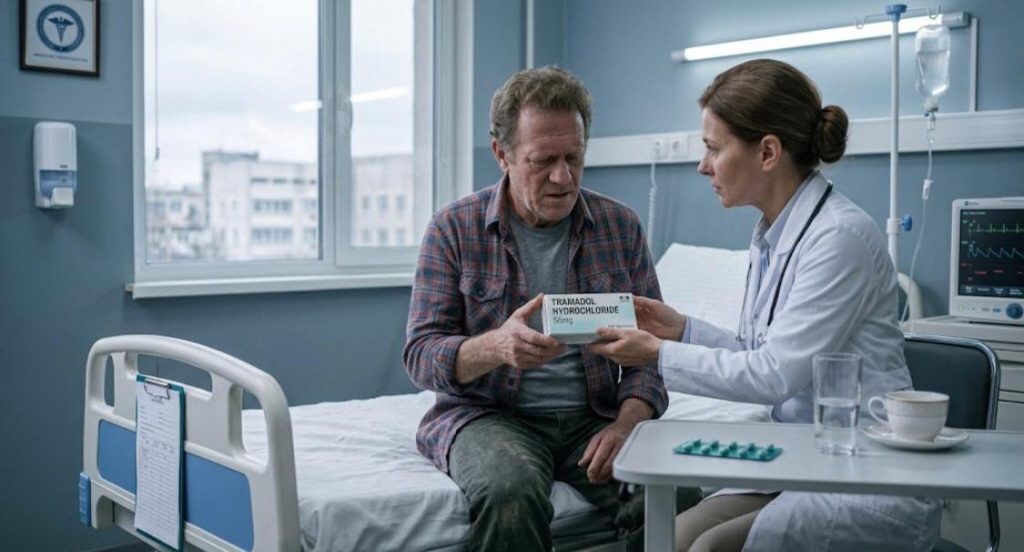
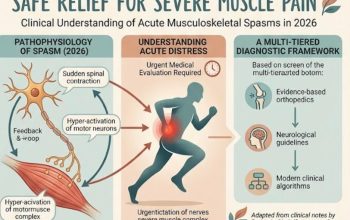
Acute pain is expected to ease as tissue heals, typically within days to weeks. Chronic pain persists beyond three months and is influenced by central sensitization, where the nervous system amplifies signals, and by loss of descending inhibitory control. In my Denver experience, people often wait to seek help until pain has already changed sleep and mood. Early attention to function how far you can walk, how well you sleep, whether you can work gives a clearer picture than a 0-to-10 score alone.
A topical anti-inflammatory may help localized nociceptive pain, while neuropathic pain often responds better to agents that modulate nerve signaling. Nociplastic pain tends to respond to graded activity, cognitive behavioral approaches, sleep care, and multidisciplinary support rather than to escalating doses of analgesics. Matching the mechanism to the plan supports both safety and durability of relief.
The Biopsychosocial Model in Practice
Biology sets the stage, but psychology and social context shape the lived experience of pain. Anxiety, depression, catastrophizing, poor sleep, and high stress raise pain intensity and reduce tolerance for activity. Social factors such as job demands, caregiving load, and access to physical therapy in the Denver metro area also matter. In clinic notes through I track sleep duration, step count, caffeine and alcohol use, and work posture because these variables often explain more about pain persistence than imaging findings do.
- A patient who sits for long hours with a forward head posture and sleeps five hours a night often reports higher morning stiffness and headache frequency, even when MRI shows mild degenerative changes.
- Another patient with diabetic neuropathy may feel worse after nights of fragmented sleep and better after consistent walking, foot care, and glucose stability not because nerves healed overnight, but because overall regulation improved.
Evidence-Based Pain Relief Options in 2026
No single therapy is first line for every pain problem. Guidelines from the CDC, WHO, and specialty societies continue to recommend a stepped, multimodal sequence: address the cause when possible, use nonpharmacologic strategies, add medication judiciously, and reserve invasive procedures for selected indications.
Nonpharmacologic First Line Approaches
These methods have low risk and build self-management skills. They are the foundation for most chronic pain plans.
- Movement and physical therapy: Graded exercise, manual therapy, and tailored strengthening improve function in low back pain, neck pain, and osteoarthritis. Walking programs, pool therapy, and cycling are common entry points for deconditioned patients.
- Cognitive behavioral therapy for pain and acceptance based approaches: These address pain-related fear, avoidance, and sleep. Evidence shows reduced pain interference and improved quality of life even when pain scores change modestly.
- Sleep and circadian care: Consistent wake time, morning light exposure, and screening for sleep apnea are high-yield steps in Colorado, where dry air and altitude can worsen snoring and mouth breathing.
- Heat, cold, and topical measures: Short-term heat for muscle spasm and cold for acute injury can reduce medication need. Lidocaine or capsaicin patches may help localized neuropathic or joint pain.
- Lifestyle supports featured on https://healthylifestyletea.com/: Hydration, anti-inflammatory eating patterns rich in plants and omega-3 sources, gentle tea-based routines that replace late-day alcohol or excess caffeine, and breath work before bed are practical complements, not replacements for medical care.
Physical Activity Prescription at Altitude

Denver’s elevation means lower oxygen pressure and faster fluid loss during outdoor activity. I counsel patients to increase walking volume gradually, hydrate before and after exercise, and monitor heart rate rather than pushing through sharp or radiating pain. For chronic low back pain, McGill-style core stability, hip hinge mechanics, and hamstring mobility often help more than repeated high-velocity manipulation alone.
Slow diaphragmatic breathing, mindfulness meditation, and tai chi have moderate evidence for chronic pain and for coexisting anxiety. In practice, the benefit comes from regular, brief practice five to ten minutes daily rather than occasional long sessions. Our previous guide on Antisleep and Alertness Management explored options for maintaining performance, and today we connect it to the challenges of severe pain
Pharmacologic Options Overview
Medications are tools within a broader plan. Choice depends on pain type, medical history, other prescriptions, age, kidney and liver function, and risk for adverse effects.
Systemic and Topical Agents
- Acetaminophen: Useful for mild pain and fever when liver function is normal and alcohol use is limited. It lacks anti-inflammatory action.
- Nonsteroidal anti-inflammatory drugs (NSAIDs): Ibuprofen, naproxen, diclofenac and others reduce inflammation and pain but raise risk for stomach ulceration, kidney injury, hypertension, and cardiovascular events, especially with prolonged systemic use. Topical NSAIDs (diclofenac gel) provide localized relief for knee or hand osteoarthritis with lower systemic exposure.
- Topical lidocaine and capsaicin: Options for focal neuropathic pain or joint pain when systemic agents are not ideal.
- Adjuvants for neuropathic pain: Gabapentinoids, serotonin-norepinephrine reuptake inhibitors such as duloxetine, and tricyclics in selected cases are used for diabetic neuropathy or postherpetic neuralgia. Dosing requires titration and monitoring for sedation, dizziness, and mood changes.
- Short courses of muscle relaxants or low-dose corticosteroids: Considered only for specific acute indications because of sedation, falls, and metabolic effects.
| Pain Category | Common Non-Drug Strategies | Medication Considerations | When to Escalate |
|---|---|---|---|
| Acute musculoskeletal (strain, sprain) | Rest, relative activity, ice or heat, early mobilization, physical therapy | Acetaminophen or topical NSAID first; short systemic NSAID if no contraindication | Persistent pain >2-3 weeks, neurologic symptoms, or functional loss |
| Osteoarthritis | Weight management, strengthening, braces, heat/cold, topicals | Topical NSAID preferred for single joint; systemic NSAID with lowest effective dose | Injection or surgical referral after failed conservative care |
| Neuropathic pain | Sleep care, exercise, desensitization, CBT for pain | Gabapentinoid or SNRI per guidelines; topical lidocaine/capsaicin for focal pain | Pain clinic or neurology for refractory cases |
| Chronic low back with nociplastic features | Graded activity, CBT/ACT, sleep and stress management, yoga/tai chi | Limited long-term benefit from opioids; avoid routine benzodiazepines | Multidisciplinary program, evaluate for underlying specific pathology |
Prescription Pain Management and Opioid Considerations 2026
Opioids still have a role in acute severe pain, cancer-related pain, and palliative care, but for chronic noncancer pain the benefit-risk balance is narrow. The CDC Clinical Practice Guideline for Prescribing Opioids for Pain (2022), which continues to frame practice in 2026, emphasizes individualized, function oriented decisions, lowest effective dose, and regular reassessment for benefits, harms, and alternatives.
Risk Assessment and Monitoring
Before any controlled substance is considered, a thorough history matters: prior substance use, sleep apnea, lung disease, liver or kidney disease, mental health conditions, and concurrent sedating medicines. Validated tools such as the Opioid Risk Tool, routine review of the state prescription drug monitoring program, and urine drug testing when appropriate are part of safe prescribing not because every patient is at high risk, but because adverse events are often preventable.
Tolerance, Dependence, and Use Disorder
Tolerance means higher doses are needed for the same analgesia. Physical dependence means withdrawal symptoms occur if the drug is stopped abruptly. Neither alone equals opioid use disorder, which involves craving, loss of control, and continued use despite harm. I explain these distinctions in plain language so patients understand why abrupt discontinuation and dose escalation without a plan are both unsafe.
Combining opioids with benzodiazepines, sleep medicines, alcohol, or other central nervous system depressants raises risk for respiratory depression and overdose. Some opioids, including Tramadol, also interact with serotonergic agents and lower seizure threshold. A pharmacist review is a practical safety step whenever a new pain medicine is added.
When Specialty Referral Helps

Referral may be appropriate for pain that does not improve with primary care measures, suspected neuropathic or inflammatory disease, or need for image-guided procedures. Interventional options such as epidural steroid injection for radicular pain or radiofrequency ablation for facet-mediated pain are not first-line and are considered only after clinical correlation and discussion of benefits and risks.
Tramadol: Clinical Profile and Medication Safety
Tramadol is a prescription analgesic approved by the U.S. Food and Drug Administration for moderate to moderately severe pain in adults. It differs from classic opioids in that it has two complementary actions: weak agonism at the mu-opioid receptor and inhibition of serotonin and norepinephrine reuptake. The parent drug and its active metabolite, O-desmethyltramadol (M1), produced via CYP2D6 metabolism, contribute to analgesia. Because CYP2D6 activity varies genetically, analgesic response and side-effect risk differ among individuals; ultra-rapid metabolizers may have higher M1 exposure, while poor metabolizers may have less analgesic effect.
In practice, prescribers sometimes consider ordering Tramadol when nonopioid measures have not provided adequate relief and a short course of a controlled analgesic is being discussed. It is not a first-line choice for chronic pain, and it is not appropriate for everyone. Tramadol is a Schedule IV controlled substance in the United States, with risks that include respiratory depression, especially when combined with other sedatives or alcohol, seizure risk, serotonin syndrome when combined with serotonergic medicines (SSRIs, SNRIs, MAO inhibitors, linezolid, triptans, Tramadol itself), hyponatremia in older adults, dizziness and fall risk, nausea, constipation, and potential for misuse, dependence, and withdrawal.
It is contraindicated in children under 12, generally avoided under 18 after tonsillectomy or adenoidectomy, and requires caution in patients with epilepsy, severe liver or kidney disease, history of substance use disorder, or concurrent use of medicines that lower seizure threshold.
Dosing is individualized and the lowest effective dose for the shortest duration is the stated aim. Extended-release formulations are not for as-needed use and not interchangeable with immediate release on a milligram basis. Any decision to start, adjust, or stop Tramadol involves the prescriber and, when appropriate, a taper plan to reduce withdrawal symptoms.
How to Buy Tramadol Online Safely Through Verified Pharmacies
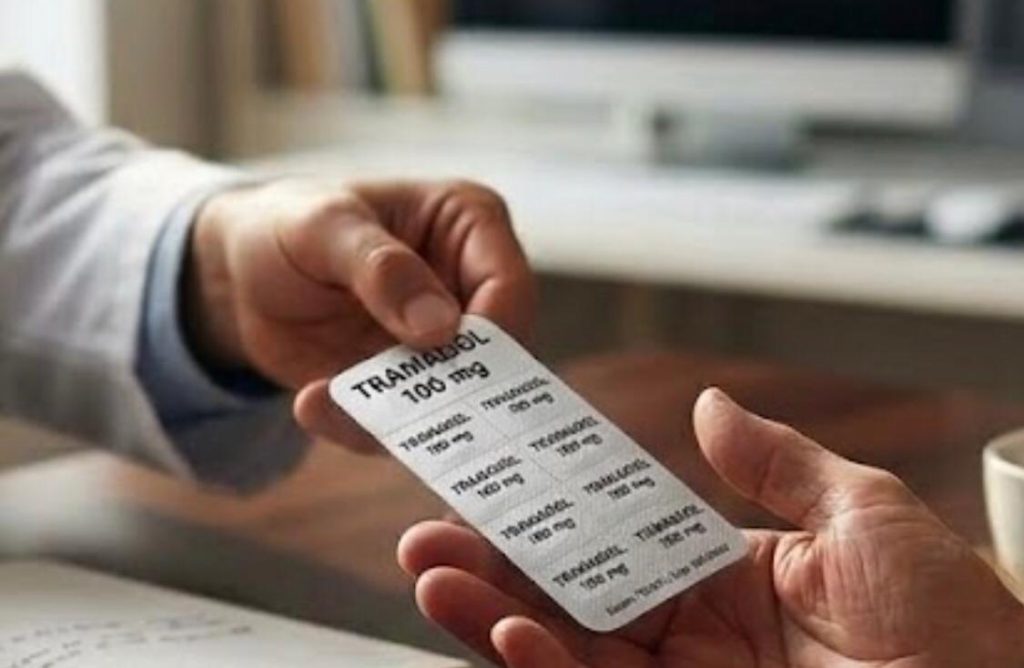
People often search to buy Tramadol online because of convenience and price. Those phrases are common online, and legitimate telehealth and mail order pharmacies do exist that can fill a valid prescription after proper clinical review. The safety issue is verification: a website that looks like a pharmacy is not necessarily a licensed pharmacy.
If tramadol has been prescribed for you, use only verified, accredited sources and never take medicine prescribed for someone else. Before you buy Tramadol online safeli delivery, confirm the pharmacy is licensed in your state, requires a valid prescription from a licensed clinician who has evaluated you, provides a physical address and phone number in the United States, and offers access to a licensed pharmacist for counseling.
How to Safely Buy Tramadol Online and Avoid Counterfeit Products
In the U.S., you can verify licensure through your state board of pharmacy and look for NABP Digital Pharmacy accreditation or a .pharmacy domain. The FDA’s BeSafeRx program also explains how to check an online pharmacy and avoid counterfeit products.
Treat these as warning signs and do not purchase: no prescription required, no pharmacist available, prices that are dramatically lower than usual. Shipment from an undisclosed foreign source, or offers to buy prescription Tramadol without any medical review. Counterfeit tablets may contain too little, too much, or no active ingredient, or may contain dangerous substitutes such as illicit fentanyl. Purchases outside the regulated supply chain also bypass counseling about CYP2D6 interactions. Serotonin syndrome risk, seizure threshold, and safe storage. Disposal all matters that affect your safety and your household.
It is possible to get Tramadol online. It is guidance for safe acquisition if a prescriber has determined that Tramadol is appropriate for you. If cost is a barrier, ask your prescriber and pharmacist about generic availability, insurance coverage. Lawful mail order options rather than turning to unverified sellers. Store any opioid securely, keep it out of reach of children and pets. Use drug take back programs for unused tablets instead of keeping extras at home.
A Denver-Focused Routine I Often Suggest
Seek urgent care for chest pain, sudden neurologic deficits, fever with new severe back pain, pain after major trauma. Or signs of overdose such as slow or shallow breathing, extreme drowsiness, or unresponsiveness after taking a sedating medicine. For Tramadol specifically, seek emergency help for seizure, agitation with fever and sweating that could reflect serotonin syndrome, or difficulty breathing.
Frequently Asked Questions
What is the safest first step for new musculoskeletal pain?
The safest first step is relative rest, early gentle movement, heat or cold as tolerated, and an NSAID topical or acetaminophen if needed, combined with attention to sleep and activity. If pain persists beyond a few weeks, worsens, or limits function, arrange clinical evaluation rather than escalating doses on your own.
When are prescription pain medicines considered?
Prescription medicines are considered when over-the-counter measures, physical therapy, and targeted non-drug strategies do not provide adequate relief or when pain type suggests a specific adjuvant therapy. The choice depends on pain mechanism, medical history, other medicines, and individual risk factors.
How does tramadol work compared with other pain medicines?
Tramadol works through weak mu-opioid receptor activity plus serotonin and norepinephrine reuptake inhibition, with its M1 metabolite contributing to analgesia. That dual action explains both its pain relieving properties and its distinct risks, including seizure and serotonin syndrome.
Where can I safely buy Tramadol online or purchase prescription Tramadol?
You can safely buy Tramadol online only through a licensed, accredited pharmacy that requires a valid prescription and provides pharmacist counseling. Verify the pharmacy with your state board of pharmacy or NABP accreditation and avoid any site that offers to sell prescription Tramadol without a prescription or medical review.
Does acupuncture or tea-based wellness help chronic pain?
Acupuncture may provide modest relief for some chronic pain conditions as part of a multimodal plan, and wellness routines such as regular movement, sleep care, and a calming tea ritual can support overall function. Neither should replace evaluation and evidence-based treatment for persistent pain.