Patients rarely walk into a Denver clinic complaining about loop gain, sleep architecture, or nocturnal oxyhemoglobin desaturation. They tell me they wake up at 3:15 a.m. with a dry mouth and a racing pulse, nod off in southbound I-25 traffic near Broadway, or dread turning off the bedroom lamp because sleep has felt broken for two years. Working in the Denver Health clinical environment taught me early that poor sleep in the Mile High City rarely has a single tidy cause.
Sleep medicine in 2026 looks noticeably different from the playbook used even five years ago. Behavioral insomnia therapy has stronger digital and clinical backing, obstructive sleep apnea management now spans advanced airway pressure algorithms, hypoglossal nerve stimulation, and metabolic GLP-1/GIP therapy, and restless legs syndrome care has moved away from routine dopamine agonists that often worsen symptoms over time. Yet technology fails fast when a clinician misses dry Front Range air, weekend trips into Summit County, nightly cannabis gummies, or an undiagnosed breathing disorder hiding underneath chronic insomnia.
This clinical guide shares how I evaluate and treat sleep disorders in Denver today, drawing on direct bedside and outpatient observations, current American Academy of Sleep Medicine standards, and the practical realities of Colorado health life access.
Educational medical content only. Nothing here establishes a clinician patient relationship or replaces an in-person or licensed telemedicine evaluation, diagnostic sleep study, or individualized prescription plan.
Why Sleep Disorders Behave Differently in Denver in 2026
Denver sits a full mile above sea level, where lower barometric pressure reduces the partial pressure of inspired oxygen. In practice, CBT-I combines sleep restriction (or gentler sleep compression for bipolar disorder, seizure disorders, and safety sensitive drivers), stimulus control so the bed stops acting as a conditioned trigger for frustration, cognitive reframing of catastrophic clock-watching, and somatic wind down skills. Denver offers one natural clinical advantage: abundant high altitude morning sunshine. Getting 20 to 30 minutes of outdoor light shortly after a fixed wake time anchors melatonin offset better than any supplement on a pharmacy shelf. Whether delivered by a behavioral sleep psychologist in person, via telehealth or through an FDA-cleared digital CBT-I program, behavioral remodeling delivers durable remission long after sleeping pills lose traction.
Updated 2026 Care for Restless Legs and Circadian Disorders
| Disorder & Clinical Scenario | Primary 2026 Medical Treatment | Long Term Relapse Prevention | Denver & Altitude Nuance |
|---|---|---|---|
| Chronic insomnia disorder | Structured CBT-I (therapist-led or validated digital) | Fixed wake time, morning outdoor light anchor, stimulus control rules during stressful weeks | Screen for subtle altitude sleep fragmentation and THC withdrawal rebound |
| Obstructive & altitude-aggravated sleep apnea | Heated-tube CPAP/APAP, custom oral appliance | Weight maintenance, nasal allergy control | Account for lower baseline SpO2 and central periodic breathing above 5,280 ft |
| Restless legs syndrome (RLS) | Iron repletion (oral or IV based on ferritin/TSAT) and alpha-2-delta ligands | Avoid triggers (sedating antihistamines, excess alcohol | Avoid routine dopamine agonist escalation to prevent augmentation |
| Shift-work & circadian phase disorders | Timed low-dose melatonin, bright light therapy | Stable anchor sleep blocks on days off | Bright Front Range commute sunlight requires deliberate eye shielding post-shift |
Ambien Treatment in Colorado and Insights From My Medical Blog, Healthy Lifestyle Tea
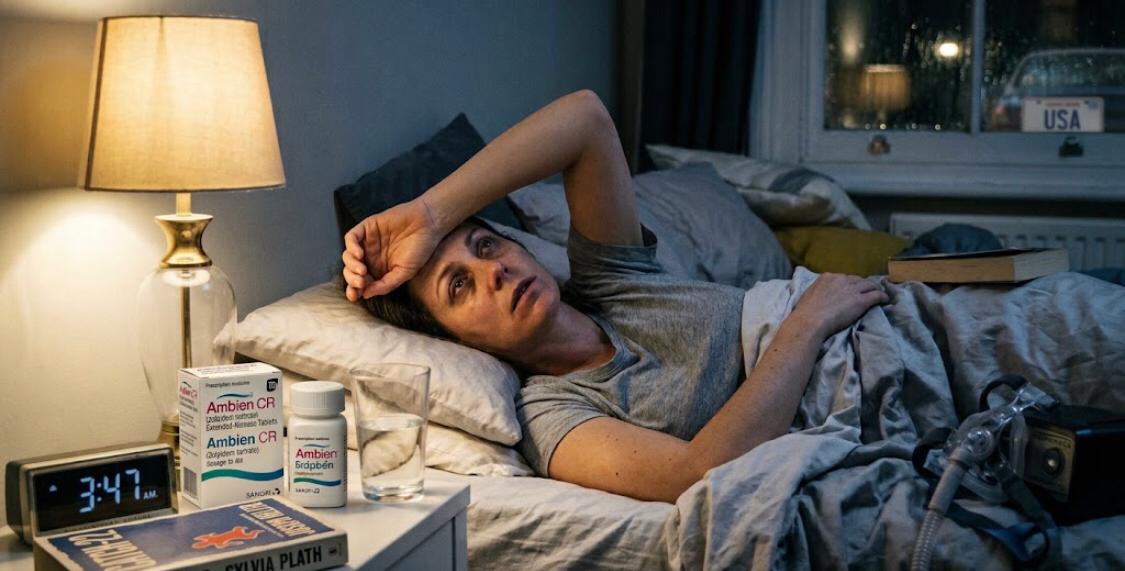
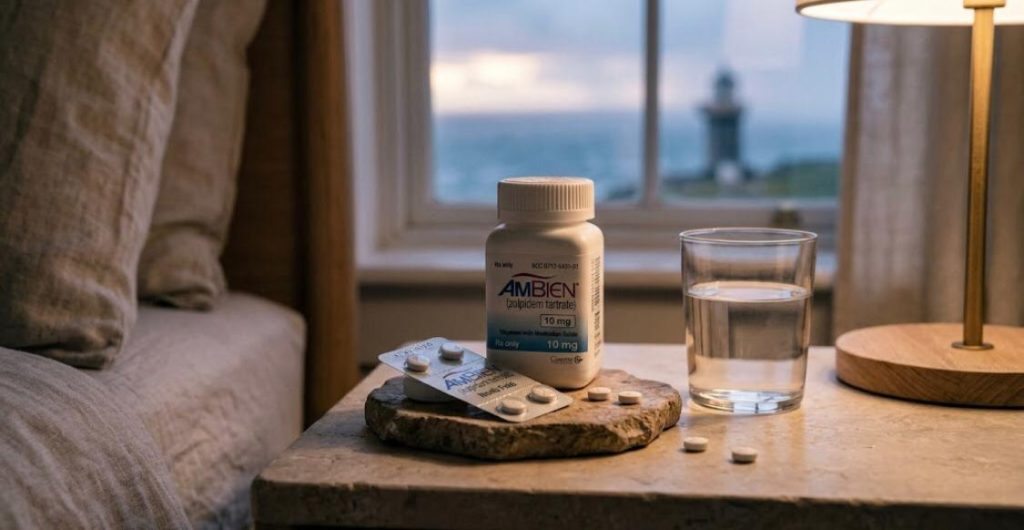
Discussions around Ambien treatment in Colorado require candid clinical balance neither demonizing a medication that helps selected patients through acute crises nor pretending a tablet solves chronic insomnia on its own. Buy Ambien (Zolpidem tartrate) binds selectively to the α1 subunit of the GABAA receptor complex, shortening sleep latency in immediate-release form and extending coverage slightly in extended-release formulations. In my clinical practice, I view Zolpidem strictly as a short term bridge during acute grief, abrupt hospital-recovery disruption, or the toughest opening weeks of behavioral retraining never before screening for untreated obstructive sleep apnea, alcohol misuse, nocturnal fall risk, or pregnancy considerations. The FDA maintains a Boxed Warning on purchase Zolpidem for complex sleep behaviors, including sleepwalking.

On my medical blog, Healthy Lifestyle Tea, I write frequently about the evening rituals patients ask about when they hope to step down from sedatives or build calmer pre-bed habits. Warm caffeine free botanical infusions chamomile, lemon balm, passionflower, or South African rooibos work best when framed honestly: a warm mug ninety minutes before lights out lowers cognitive tempo and serves as a repeatable behavioral cue for parasympathetic downshifting, though no herbal tea cures severe sleep apnea, repairs iron deficient restless legs, or overrides three espressos at 4:00 p.m. Safety interactions matter here too. Patients taking buy Ambien should avoid stacking concentrated valerian, kava, alcohol, opioids, or dispensary sleep tinctures on top of a prescription hypnotic. Because additive central nervous system depression deepens respiratory suppression at altitude and sharply raises nocturnal confusion and fall risk.
How Patients Safely Acquire Prescription Sleep Medication in Colorado
Exhausted Coloradans searching late at night often type commercial phrases like buy Ambien online 10mg hoping for fast relief without weeks on a clinic waitlist. Because Zolpidem is a federal DEA Schedule IV controlled substance. The only legal and medically safe way to acquire the medication or secure a supply in Colorado runs through a licensed prescriber holding active Colorado licensure and DEA registration. Whether the visit happens inside a Denver exam room or through a compliant telemedicine service adhering to current federal. Colorado controlled-substance prescribing rules, the clinician must take a structured sleep and psychiatric history. Query the Colorado Prescription Drug Monitoring Program (PDMP) to prevent dangerous sedative or opioid overlap, review drug interactions.
Prior Authorization and PAP Compliance Rules
Patients starting CPAP or auto-PAP through Medicare, Health First Colorado, or commercial plans face strict 90-day adherence verification: insurers typically require cellular modem data showing device use for at least four hours per night on 70% of nights within a consecutive 30-day window. Alongside documented symptom benefit at a follow-up visit. If mask leaks, claustrophobia, or dry nasal passages derail week two, call the sleep clinic immediately rather than letting the 90-day clock expire. Prescription coverage has its own hurdles in 2026: generic zolpidem, low-dose doxepin, trazodone. Gabapentin sit on low generic tiers, whereas branded orexin antagonists and tirzepatide for OSA frequently require documented step therapy records. AHI confirmation, or formal prior authorization appeals.
Choosing an Accredited Sleep Specialist in the Front Range
- Board Certification and AASM Facility Accreditation: Confirm board certification in sleep medicine (via internal medicine/pulmonology, neurology, psychiatry, family medicine, pediatrics, or otolaryngology). Check that any testing lab holds American Academy of Sleep Medicine accreditation.
- Behavioral Insomnia Competence: Ask whether the clinic offers genuine CBT-I or coordinates directly with behavioral sleep medicine specialists rather than handing out generic sleep hygiene sheets and automatic pill refills.
- Altitude Titration Experience: Choose clinicians who understand periodic breathing at 5,280 feet and know how to adjust therapy if you work or recreate in high mountain towns.
- Early DME Troubleshooting: Make sure mask refitting, heated humidifier adjustments. Leak reviews happen within the first 14 to 30 days of PAP therapy.
- Collaborative Referral Bench: Strong clinics maintain working relationships with sleep-trained dentists for custom oral appliances. ENT surgeons for nasal obstruction or hypoglossal implants, and metabolic clinicians for weight-related OSA care.
What Sleep Disorders Look Like in 2026
The International Classification of Sleep Disorders, Third Edition, Text Revision (ICSD-3-TR) and the American Academy of Sleep Medicine (AASM) 2026 practice updates continue to frame care around six major groups: insomnia, sleep-related breathing disorders, central disorders of hypersomnolence, circadian rhythm sleep-wake disorders, parasomnias, and sleep-related movement disorders.
What feels new in 2026 is the routine use of longitudinal data. Instead of a single visit, Denver clinics now review 2-4 weeks of sleep diaries, wearable-derived sleep-wake estimates, validated questionnaires like ISI, STOP-Bang, ESS, and Morningness-Eveningness, plus home testing where appropriate. That data changes treatment.
Insomnia Phenotypes I See Most in Denver Clinics
Insomnia remains the most common referral: difficulty falling asleep, staying asleep, or early morning awakening at least 3 nights per week for 3 months with daytime impairment.
Typical Patient Profile in My Practice
A 34-year-old software engineer I followed at Denver Health reported 90-minute sleep latency, 2 a.m. awakenings, and Sunday-night worsening. Sleep diary showed 6.5 hours in bed expanding to 9 hours with fragmented sleep low sleep efficiency. We tightened the sleep window, added stimulus control, and morning light exposure. Within five weeks ISI dropped from 19 to 9 without nightly medication.
Comorbid Insomnia With Anxiety, Depression, or Chronic Pain
In this group, insomnia interacts with mood, PTSD, chronic back pain, migraine, or fibromyalgia. Treating only sleep rarely holds. Co-management with behavioral health, physical therapy, and pain medicine improves durability. Consequently, having explored the broader and more advanced strategies for treating sleep disorders in Denver, we now turn our focus to the more conventional pharmacological options, starting with benzodiazepine treatments.
Sleep Apnea, Snoring, and Altitude-Related Breathing Events
Obstructive sleep apnea (OSA) is underdiagnosed in Colorado. Classic signs: loud snoring, witnessed apneas, morning headache, dry mouth, resistant hypertension, nocturia, and unrefreshing sleep. Denver altitude around 5,280 feet can amplify nocturnal desaturation and periodic breathing, especially in untreated moderate-severe OSA and in patients with heart failure or chronic opioid use.
Central sleep apnea and treatment-emergent events require in-lab evaluation. I routinely refer patients with BMI over 35, severe hypoxemia, cardiopulmonary disease, or suspected narcolepsy directly to attended polysomnography rather than home testing.
Circadian, Movement, and Hypersomnolence Disorders
Delayed sleep-wake phase disorder is common in teens, college students, and night-shift nurses. Restless legs syndrome (RLS) linked to low ferritin, pregnancy, and antidepressant use fragments sleep onset. Narcolepsy type 1 and type 2 with cataplexy, sleep paralysis, and excessive daytime sleepiness need Multiple Sleep Latency Testing (MSLT) after adequate sleep and sleep log documentation.
How Denver Altitude and Lifestyle Shape Sleep
Living a mile high alters sleep architecture. Research shows lower nocturnal oxygen saturation, increased arousals, and lighter NREM sleep during initial acclimatization. Most healthy newcomers adapt in 2-4 weeks, but patients with OSA, COPD, or anemia may have persistent fragmentation.
Frequently Asked Questions
Why is it harder to sleep in Denver than at sea level?
Lower barometric pressure at 5,280 feet reduces inspired oxygen and combine with dry Front Range air to trigger lighter sleep, nasal congestion, and more frequent breathing instability. Newcomers often notice vivid dreams, nocturnal awakenings, or periodic breathing during the first several weeks at altitude. Persistent snoring, gasping, or daytime exhaustion beyond initial acclimatization warrants a formal sleep evaluation to rule out obstructive or central sleep apnea.
What is the best first line treatment for chronic insomnia in 2026?
Cognitive Behavioral Therapy for Insomnia (CBT-I) is the gold-standard first-line treatment for chronic insomnia in adults in 2026. Unlike sedative medications that only mask wakefulness while taken, CBT-I retrains homeostatic sleep drive and conditioned bedtime hyperarousal for lasting gains. Prescription medications such as orexin receptor antagonists, low-dose doxepin. Or short-term hypnotics are added selectively when clinical distress or medical comorbidities warrant combined care.
Can I buy prescription Ambien online in Colorado legally?
You can only acquire prescription Ambien online in Colorado after a legitimate medical evaluation with a DEA-registered. Colorado-licensed prescriber who sends a valid electronic prescription to an accredited, state-licensed pharmacy. Websites offering to let shoppers purchase Ambien without a prescription violate federal controlled-substance laws and carry severe risks of counterfeit fentanyl or adulterated sedative contamination. Always verify online dispensing pharmacies through the Colorado State Board of Pharmacy or NABP before filling any controlled medication.
Authoritative Medical and Scientific Sources
- Edinger JD, Arnedt JT, Bertisch SM, et al. Behavioral and psychological treatments for chronic insomnia disorder in adults: an American Academy of Sleep Medicine clinical practice guideline. Journal of Clinical Sleep Medicine.
- Winkelman JW, Berkowski JA, DelRosso LM, et al. Treatment of restless legs syndrome and periodic limb movement disorder: an American Academy of Sleep Medicine clinical practice guideline. Journal of Clinical Sleep Medicine.
- Malhotra A, Grunstein RR, Fietze I, et al. Tirzepatide for the treatment of obstructive sleep apnea and obesity (SURMOUNT-OSA). New England Journal of Medicine.
- U.S. Food and Drug Administration. Ambien (zolpidem tartrate) Prescribing Information and Boxed Warning for Complex Sleep Behaviors; FDA Drug Safety Communications on prescription insomnia medicines. Accessed 2026.