
Persistent anxiety alters sleep, concentration, cardiovascular tone, digestion, and daily decision-making. Occasional nervousness before a major event is a normal human stress response, yet an anxiety disorder locks the autonomic nervous system into sustained threat detection long after external pressure fades. Adults searching for anxiety treatment in CO Denver benefit most from structured care that starts with accurate diagnostic testing, rules out physical mimics, prioritizes proven therapies and daily non-habit-forming medications, and tracks symptom changes over time.
Across the Denver metropolitan area from Capitol Hill and Aurora to Lakewood and the northern Front Range outpatient clinics pair evidence-based psychotherapy with targeted pharmacotherapy while accounting for local variables such as elevation, shift work, seasonal light shifts, and substance exposures. Understanding how modern evaluation and prescribing work helps patients choose qualified clinicians and avoid unsafe medication sources.
Standards for Anxiety Treatment in CO Denver in 2026

Outpatient mental health care in 2026 relies on routine primary-care screening, standardized diagnostic criteria from the Diagnostic and Statistical Manual of Mental Disorders, Fifth Edition, Text Revision (DSM-5-TR), and measurement-based care (MBC). Following the U.S. Preventive Services Task Force recommendation for routine anxiety screening in adults aged 19 through 64, primary care practices and integrated health systems across Colorado routinely administer validated rating tools before symptoms escalate into emergency department visits.
Diagnostic Precision Under DSM-5-TR and Measurement Based Care
General “stress” and a diagnosable anxiety disorder require different clinical responses. Clinicians evaluate symptom duration, physiological arousal, avoidance behaviors, co-occurring depression or trauma, and functional impairment at work, school, or home. Serial questionnaires such as the Generalized Anxiety Disorder 7-item scale (GAD-7), the Patient Health Questionnaire-9 (PHQ-9) for comorbid depression, and the Panic Disorder Severity Scale (PDSS) establish an objective baseline and quantify treatment progress every two to four weeks.
Distinguishing Generalized Anxiety, Panic Disorder, and Social Anxiety
Accurate subtyping shapes both therapy selection and medication dosing:
- Generalized Anxiety Disorder (GAD): Excessive, hard-to-control worry across multiple life domains occurring more days than not for at least six months, accompanied by at least three somatic or cognitive symptoms such as restlessness, fatigue, poor concentration, irritability, muscle tension, or sleep disturbance.
- Panic Disorder: Recurrent, unexpected panic attacks abrupt surges of intense fear peaking within minutes with symptoms like palpitations, sweating, trembling, dyspnea, chest discomfort, dizziness, chills, paresthesias, or fear of dying followed by at least one month of persistent worry about future attacks or maladaptive avoidance.
- Social Anxiety Disorder: Marked fear or avoidance of social or performance situations centered on scrutiny or embarrassment, lasting six months or longer and interfering with occupational or interpersonal functioning.
- Agoraphobia and Co-Occurring Conditions: Avoidance of public transit, crowds, enclosed spaces, or leaving home alone, alongside related diagnoses evaluated separately under DSM-5-TR, including post traumatic stress disorder (PTSD) and obsessive-compulsive disorder (OCD).
Integrated Care Coordination From Home Support to Outpatient Psychiatry
Effective anxiety management extends beyond thirty minute medication checks. Collaborative care models link primary care clinicians, behavioral health care managers, consulting psychiatrists, clinical pharmacists, and for older adults or individuals with mobility and chronic medical needs licensed home and community support teams.
Practical comparisons across regional care models highlight why day to day follow through determines outcomes. In home and community healthcare agency workflows widely used in states such as New Jersey, authorized home care staff support medically fragile adults by observing sleep routines, meal intake, missed medical appointments, and rising restlessness, then promptly alerting family members or the supervising clinical team without diagnosing conditions or altering prescriptions. That same focus on real world functioning complements integrated public and academic delivery systems in Colorado including safety net primary care behavioral health networks such as Denver Health, academic specialty clinics at UCHealth, and community mental health centers like WellPower where warm handoffs connect patients directly with licensed therapists, psychiatric prescribers, and social-needs coordinators matched to each individual’s clinical needs.
Neurobiology, Mile High Physiology, and Medical Differential Diagnosis
Anxiety disorders involve measurable shifts in central threat processing and peripheral autonomic signaling. Explaining the biology behind physical symptoms reduces self blame and clarifies why first line treatments take structured practice or several weeks of steady receptor adaptation to produce durable relief.
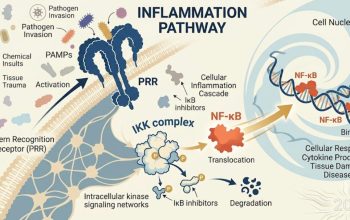
During perceived danger, the basolateral and central nuclei of the amygdala signal the hypothalamus and brainstem loci particularly the locus coeruleus triggering rapid norepinephrine release via the sympathetic nervous system and cortisol secretion through the hypothalamic pituitary on.
In regulated states, the ventromedial and dorsolateral prefrontal cortex inhibit excessive amygdala firing once a stimulus proves harmless. Chronic anxiety pairs heightened amygdala and anterior insula reactivity with reduced top down prefrontal regulation. Serotonin (5-HT), norepinephrine, glutamate, and gamma-aminobutyric acid (GABA) the brain’s primary inhibitory neurotransmitter modulate these circuits. Both exposure based psychotherapy and serotonergic antidepressants gradually recalibrate prefrontal limbic connectivity and lower bas line autonomic reactivity.
How Denver Altitude and Local Exposures Amplify Somatic Anxiety
Denver sits near 5,280 feet (1,609 meters) above sea level, with nearby mountain corridors rising above 8,000 to 11,000 feet. Lower barometric pressure reduces inspired oxygen partial pressure compared with sea level, producing subtle physiological adjustments that interact with anxiety sensitivity.
New residents, travelers, and individuals with underlying cardiopulmonary or sleep disorders often experience faster breathing, higher exertional heart rate, drier airways, and lighter nighttime sleep during altitude acclimatization. In adults predisposed to panic disorder, rapid shallow breathing blows off carbon dioxide, causing acute respiratory alkalosis. Falling arterial constricts cerebral arterioles and shifts ionized calcium binding, producing lightheadedness, blurred vision, chest tightness, and numbness around the mouth and fingertips. When the brain misreads those benign altitude or hyperventilation-related sensations as an impending heart attack or suffocation, an adrenaline surge triggers a full panic attack.
Evaluating Caffeine, Alcohol, and High-Potency THC Use in Colorado
A thorough Front Range intake also examines common chemical triggers that destabilize anxiety circuits:
- Caffeine and Pre-Workout Stimulants: High doses of coffee, energy drinks, or athletic supplements antagonize adenosine receptors, raising heart rate, tremor, sleep latency, and panic vulnerability.
- Alcohol Rebound (“Hangxiety”): Evening alcohol temporarily enhances GABAergic inhibition and suppresses glutamate, followed hours later by excitatory glutamate rebound, fragmented rapid eye movement (REM) sleep, morning tachycardia, and heightened daytime anxiety.
- High-Potency Cannabis Products: Although many Colorado adults try cannabis to unwind, concentrated $\Delta^9$-tetrahydrocannabinol (THC) vapes, dabs, and edibles carry a strong dose-dependent association with acute panic attacks, paranoia, tachycardia, cannabis withdrawal anxiety, and diminished response to standard anxiety therapy.
Essential Medical Screening Before Starting Psychiatric Medication
Numerous medical conditions closely mimic generalized anxiety or panic attacks. Before attributing symptoms solely to a psychiatric diagnosis, clinicians typically evaluate:
- Endocrine and Metabolic Causes: Hyperthyroidism (checked via serum TSH and free T4), hypoglycemia, perimenopausal vasomotor shifts, and in rare cases with severe episodic hypertension pheochromocytoma.
- Cardiopulmonary and Sleep Disorders: Supraventricular tachycardia, atrial fibrillation, postural orthostatic tachycardia syndrome (POTS), asthma, pulmonary embolism, and obstructive sleep apnea (which often worsens nocturnal oxygen drops at Denver’s elevation).
- Hematologic and Medication Triggers: Iron-deficiency anemia, vitamin B12 deficiency, excessive thyroid hormone replacement, oral corticosteroids, decongestants (pseudoephedrine), short acting bronchodilators, stimulant medications, and withdrawal from alcohol, nicotine, or sedatives.
First Line Psychotherapies and Pharmacotherapy for Adult Anxiety
Major clinical practice guidelines and peer-reviewed evidence syntheses recognize structured psychotherapy (particularly CBT), first-line antidepressant pharmacotherapy (SSRIs and SNRIs), or a combination of both as the standard of care for adult GAD, panic disorder, and social anxiety disorder. Shared decision making weighs symptom severity, psychiatric comorbidity, pregnancy plans, medication side effect profiles, cost.
Evidence-Based Daily and Non-Controlled Medications
When symptoms are moderate to severe, interfere with daily functioning, or respond only partially to therapy, non-controlled daily medications provide steady symptom reduction without the dependence risk of sedative hypnotics.
SSRIs and SNRIs serve as first line pharmacotherapy across most adult anxiety disorders. Because patients with panic disorder and anxious sensitivity can feel temporary jitteriness or nausea during the first week, prescribers generally start at half the standard depression starting dose and titrate slowly. Initial calming often emerges in two to four weeks, while full therapeutic benefit develops over six to twelve weeks. All antidepressants carry an FDA boxed warning regarding increased suicidal thoughts and behaviors in children, adolescents, and young adults through age 24, warranting close clinical follow up during initiation and dose adjustments. Once remission is reached, continuing daily medication for at least 6 to 12 months lowers early relapse risk, followed by a gradual, supervised taper if stopping.
Buspirone, Hydroxyzine, Beta Blockers, and Targeted Adjuncts
Several non controlled medications address specific clinical scenarios:
- Buspirone: A serotonin receptor partial agonist approved for GAD. Taken consistently two or three times daily, it takes two to four weeks to work, causes minimal sedation or sexual dysfunction, and medication produces no physical dependence though it does not treat acute panic attacks.
- Hydroxyzine: A prescription antihistamine used short-term or as needed for acute anxiety and sleep onset distress; common limitations include daytime drowsiness, dry mouth, and anticholinergic risk in older adults.
- Propranolol: A non selective beta adrenergic blocker frequently prescribed off label before discrete performance situations (such as public speaking) to blunt tremor, sweating, and rapid heartbeat; avoided in asthma, bradycardia, and hypotension.
- Pregabalin or Gabapentin (Off-Label): Selected by specialists for certain patients with refractory GAD or comorbid neuropathic pain, with careful monitoring for sedation, dizziness, renal dosing, and misuse potential
Anxiety and Panic Disorders Treatment in CO Denver: Xanax Safety and Pharmacy Verification
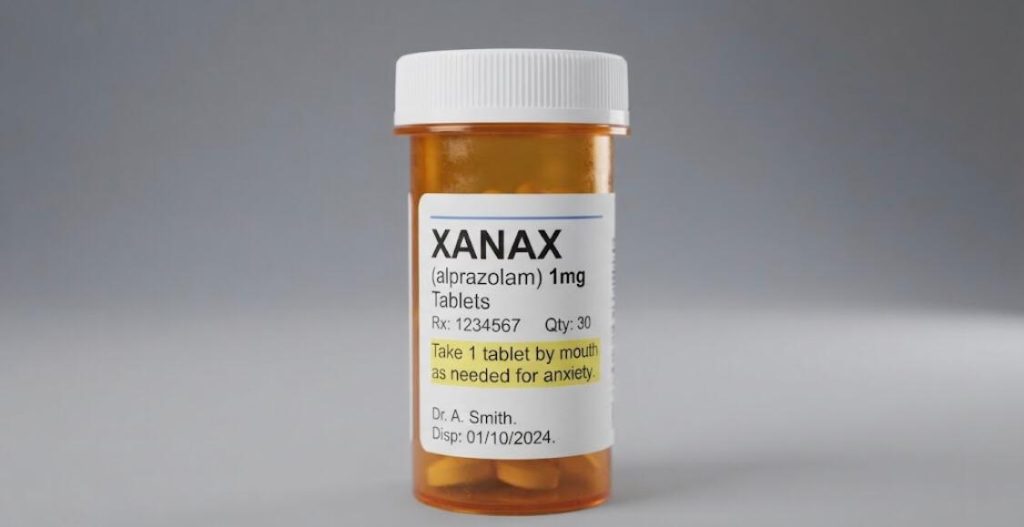
In evidence-based anxiety and panic disorders treatment in CO Denver, Alprazolam widely known under the brand name Xanax occupies a narrow, tightly regulated role. Patients researching symptoms frequently enter combined search phrases such as “buy prescription antidepressants Xanax,” mistakenly grouping alprazolam with daily antidepressants. Clinically, Xanax is not an antidepressant; it is a fast-acting, short half life triazolobenzodiazepine classified as a DEA Schedule IV controlled substance that enhances inhibitory signaling at central receptors.

While FDA-approved for generalized anxiety disorder and panic disorder, Alprazolam does not treat underlying depression and carries three prominent FDA Boxed Warnings: potentially fatal respiratory depression, coma, and overdose when combined with opioids (or other central nervous system depressants like alcohol); risks of abuse, misuse, and addiction even at prescribed doses; and physical dependence that can trigger severe, life threatening acute withdrawal reactions, including seizures, if stopped suddenly. Because its rapid onset and quick wear off can also drive interdose rebound anxiety, clinicians across Denver including integrated safety net and academic systems such as Denver Health and UCHealth treat SSRIs, SNRIs, and CBT as first line care and reserve benzodiazepines only for carefully screened, time-limited situations when safer options fail or during short, closely monitored clinical bridges.
Educational articles prepared for health readers including wellness guides such as those published on HealthyLifestyleTea must also address the serious public health hazards tied to searches like buy Xanax online. Ordering alprazolam from any website that skips a valid prescription, bypasses a real time evaluation with a DEA-registered clinician.
Safe Benzodiazepine Tapering, Relapse Prevention, and Crisis Support
For adults in Denver who have already taken Alprazolam or another benzodiazepine regularly for weeks, months, or years, safe long term management centers on thoughtful risk benefit reassessment rather than sudden prescription cutoffs.
Clinical trials consistently show higher taper completion rates when gradual dose reductions are paired with structured CBT. Learning paced breathing, sleep consolidation strategies (including CBT for insomnia when nighttime waking flares), and interoceptive tolerance helps patients separate transient withdrawal sensations from fear of permanent relapse.
Comparing Acute Symptom Control and Long-Term Prevention
Sustained recovery from generalized anxiety and panic disorder relies on balancing immediate relief with daily habits that stabilize circadian and autonomic physiology.
| Care Dimension | Acute Symptom Management | Long-Term Relapse Prevention |
|---|---|---|
| Primary Clinical Goal | Lower severe distress, panic intensity, and acute functional disruption safely | Restore prefrontal-amygdala balance, eliminate avoidance, and prevent symptom return |
| Core Interventions | Grounding, slow exhale breathing, short-term non-controlled bridge medications, crisis support | Full-course CBT/exposure therapy, maintenance SSRI/SNRI when indicated, booster therapy sessions |
| Monitoring Schedule | Follow-up within 1–2 weeks; safety screening; side-effect and PDMP checks if applicable | Serial GAD-7/PHQ-9 checks every 1–3 months; annual reassessment and supervised taper planning |
| Daily Physiological Supports | Stopping acute caffeine, alcohol, and THC intake; hydration and rest at Denver elevation | Fixed wake time, morning outdoor light, 150 minutes/week aerobic activity, sleep hygiene |
| Warning Signs Requiring Action | Chest pain, fainting, suicidal ideation, inability to sleep for multiple nights, medication misuse | Creeping return of safety behaviors, rising GAD-7 scores, early-morning waking, social withdrawal |
Urgent Psychiatric and Crisis Resources Across Denver
No patient should wait for a routine clinic appointment or an online refill during a psychiatric or medical crisis. Immediate, confidential support in Denver includes:
- 988 Suicide & Crisis Lifeline / Colorado Crisis Services: Call or text 988, or call 1-844-493-8255 (text TALK to 38255) 24/7 for free counseling, mobile crisis dispatch, and locations of 24/7 walk-in crisis centers across Metro Denver (including Denver, Aurora, Wheat Ridge, and Littleton).
- Medical Emergencies (911): Call 911 immediately for first-time or unexplained chest pain, severe shortness of breath, fainting, confusion, seizures, suspected benzodiazepine withdrawal, or suspected opioid/sedative overdose (administer naloxone immediately if opioid exposure or a counterfeit pill is possible, as naloxone reverses opioid-induced respiratory depression even when mixed with sedatives).
Frequently Asked Questions About Anxiety Care in Denver
What is the first-line treatment for generalized anxiety and panic disorder in Denver in 2026?
Cognitive behavioral therapy (CBT), daily selective serotonin or serotonin-norepinephrine reuptake inhibitors (SSRIs or SNRIs), or a combination of both represent the first-line treatments for adult generalized anxiety disorder and panic disorder. Denver clinicians select among these options based on symptom severity, co-occurring conditions, medical screening results, and patient preference, tracking recovery with validated scales such as the GAD-7.
Can living at Denver’s altitude make anxiety or panic attacks feel worse?
Yes, Denver’s 5,280-foot elevation can produce faster breathing, increased exertional heart rate, dehydration, and lighter sleep that mimic or trigger somatic panic symptoms, especially during initial acclimatization or in people with untreated sleep apnea. A clinician can rule out cardiopulmonary and thyroid causes while using breathing retraining and interoceptive exposure to reduce sensitivity to those physical cues.
Can you legally buy Xanax online for anxiety in Denver, Colorado?
You can only obtain prescription alprazolam (Xanax) legally in Colorado after a valid clinical evaluation and prescription from a Colorado-licensed, DEA-registered prescriber complying with federal and state controlled-substance rules, dispensed through a licensed pharmacy verified by the Colorado State Board of Pharmacy. Websites offering to let consumers buy Xanax online or purchase Xanax without a valid prescription are illegal and carry a high risk of counterfeit pills contaminated with lethal fentanyl.
Is Xanax considered an antidepressant medication?
No, Xanax (alprazolam) is a Schedule IV benzodiazepine sedative, not an antidepressant. Unlike daily SSRI or SNRI antidepressants used for safe long-term management of anxiety and depression, alprazolam is restricted to carefully monitored short-term situations because of FDA boxed warnings for addiction, physical dependence, life-threatening withdrawal, and fatal overdose when mixed with opioids or alcohol.
Authoritative Medical and Scientific Sources
- Szuhany KL, Simon NM. Anxiety Disorders: A Review. JAMA. 2022;328(24):2431–2445.
- US Preventive Services Task Force. Screening for Anxiety Disorders in Adults: US Preventive Services Task Force Recommendation Statement. JAMA. 2023;329(24):2163–2170.
- American Society of Addiction Medicine (ASAM). Joint Clinical Practice Guideline on Benzodiazepine Tapering: Considerations When Benzodiazepine Risks Outweigh Benefits (2025).
- National Institute of Mental Health (NIMH). Anxiety Disorders. U.S. Department of Health and Human Service