
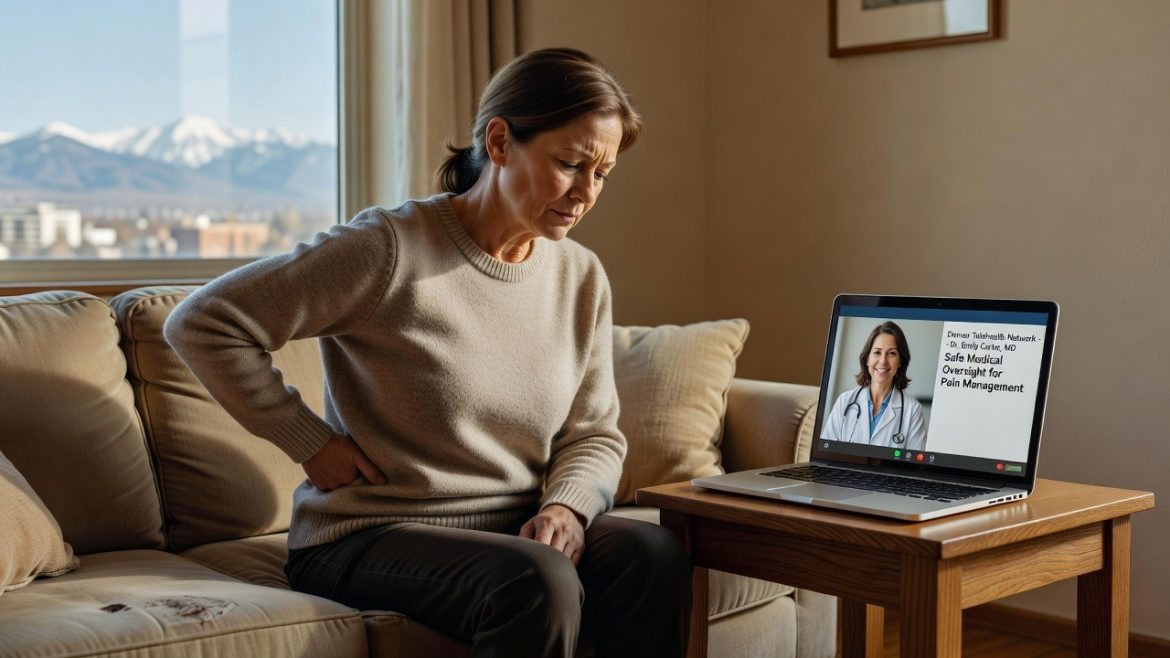
Navigating severe pain requires moving far beyond basic symptomatic assessment. In modern clinical neurology, intractable pain is recognized as a complex, multi system pathophysiological state rather than a mere localized sensation.
Severe pain disrupts central nervous system pathways, triggering microglial activation, persistent neuroinflammation, and widespread central sensitization. When nociceptive signals cascade continuously along unmyelinated C fibers and thinly myelinated A delta fibers, the spinal cord’s dorsal horn undergoes structural remodeling.
This altered state lowers signaling thresholds, turning benign mechanical inputs into severe discomfort (allodynia) and amplifying standard noxious stimuli (hyperalgesia). In my clinical practice over the past decade, evaluating patients suffering from severe post-surgical neuralgia or advanced musculoskeletal degradation reveals that addressing pain strictly at the peripheral tissue level frequently fails.
Last year, I managed a case involving a 54 year old patient presented with intractable lumbar radiculopathy following a complex fusion. Standard inflammatory markers were unrevealing, yet the patient reported agonizing, radiating shock like sensations. It was only after mapping the patient’s sensory disturbances through quantitative sensory testing (QST) and targeting both descending inhibitory pathways and peripheral nociceptors that we achieved meaningful functional stabilization.
Nociceptive versus Neuropathic Pain Signals
Differentiating between somatic, visceral, and neuropathic components forms the bedrock of targeted therapeutic intervention. Nociceptive pain originates from tissue damage activating somatic receptors in skin, bone, and muscle, or visceral receptors within internal organs. Neuropathic pain, by contrast, arises from direct mechanical, metabolic, or autoimmune injury to the somatosensory nervous system itself.
Peripheral Sensitization Cascades
At the site of peripheral tissue injury, damaged cells release an inflammatory soup containing bradykinin, prostaglandins, histamine, and substance P. This biochemical cascade lowers the activation threshold of primary afferent nociceptors, leading to localized hypersensitivity.
Microglial Activation and Neuroinflammation
Persistent peripheral signaling triggers spinal microglia to transition from a resting to an active state. Activated microglia release pro inflammatory cytokines creating a self sustaining loop of spinal hyperexcitability that reinforces central sensitization.
Multimodal Diagnostic Pathways and Objective Risk Assessment
Achieving precision in severe pain management demands a systematic diagnostic approach combining high resolution imaging, neurophysiological testing, and validated clinical scoring tools. Relying solely on visual analog scales yields an incomplete therapeutic baseline.
1.Visual Analog Scale & Numeric Rating Scale baseline integration.
2.Electromyography and Nerve Conduction Studies to isolate neuropathic compression.
3. Functional MRI mapping of pain matrix hyperactivation in refractory cases.
Modern Pharmacotherapy and Responsible Prescription Management
Pharmacological management of severe pain requires balancing potent analgesia against systemic toxicity, tolerance, and dependence risks. Modern clinical guidelines emphasize a multimodal approach combining non opioid analgesics, central acting agents, and membrane stabilizing adjuvant medications to achieve additive efficacy while minimizing individual drug dosages.
Beyond standard treatment strategies discussed in Navigating Modern Pharmacotherapy Protocols, managing severe pain demands advanced clinical protocols focused on specific biological pathways.
Central Dual Action Analgesics and Responsible Pharmacy Sourcing
When first line non opioid medications and adjuvant therapies fail to manage moderate to severe pain. Central acting dual mechanism agents become an essential component of the therapeutic strategy. Tramadol occupies a unique position within this category due to its synergistic mechanism of action.
It acts as a weak mu opioid receptor agonist while simultaneously inhibiting the reuptake of norepinephrine and serotonin. This dual effect modulates descending pain pathways in the central nervous system. Delivering effective analgesia across both nociceptive and neuropathic pain profiles.
In clinical practice, initiating treatment with this dual action agent requires careful patient selection, precise dosing schedules, and vigilant oversight. For individuals experiencing severe acute post operative pain or acute exacerbations of chronic musculoskeletal conditions, obtaining timely, legitimate medication is vital.
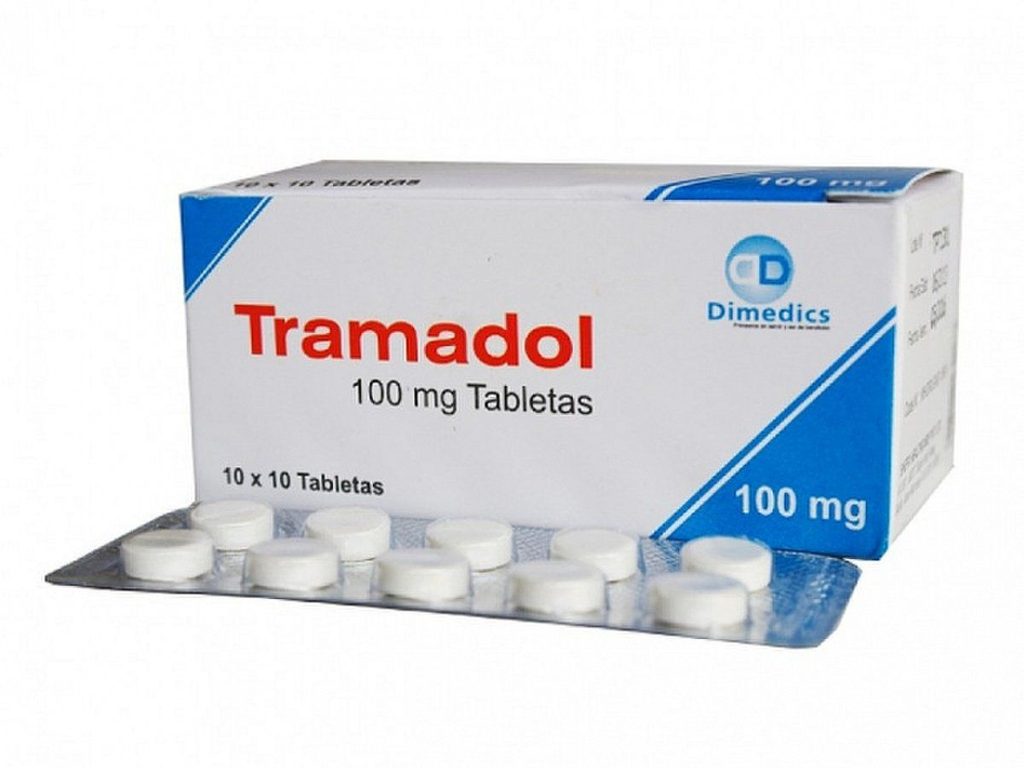
Patients frequently seek convenient access pathways, inquiring how to buy Tramadol safely without encountering counterfeit products or illegal online distributors. Medical professionals must educate patients that while options exist to order Tramadol online or secure a supply through accredited digital channels. These transactions must strictly require a valid prescription and thorough clinical evaluation.
Patients looking to purchasing Tramadol online must utilize verified, NABP accredited (or equivalent state regulated) pharmacy portals. Legitimate providers ensure product purity, correct dosage formulations, and protection against illicit or contaminated formulations.
Patients should be explicitly cautioned that attempts to buy Tramadol without prescription proper medical authorization expose them to severe safety risks, including unmonitored drug interactions, serotonin syndrome, or accidental toxicity. When prescribed responsibly as part of a comprehensive pain care plan, acquiring a certified supply of Tramadol allows patients to regain functional independence while maintaining strict adherence to safety guidelines.
Non Pharmacological and Interventional Interventions
Optimal long term outcomes for severe pain management rely heavily on integrating interventional techniques and structured physical rehabilitative therapies alongside or following acute pharmacological stabilization.
1.Fluoroscopy-guided epidural steroid injections for acute radicular inflammation.
2.Pulsed radiofrequency ablation (RFA) for facet joint and medial branch neuropathy.
3.Spinal cord stimulation (SCS) and dorsal root ganglion (DRG) neuromodulation for refractory CRPS.
Comparative Matrix: Interventional vs Conservative Approaches
| Intervention Type | Mechanism of Action | Average Efficacy Duration | Recommended Clinical Stage |
|---|---|---|---|
| Epidural Steroid Injection | Direct anti inflammatory action on nerve roots | 3 to 6 Months | Acute to sub acute radiculopathy |
| Radiofrequency Ablation | Thermal interruption of nociceptive signaling | 6 to 18 Months | Chronic refractory facet joint pain |
| Spinal Cord Stimulation | Electrical inhibition of dorsal column signaling | Multi year (Continuous) | Failed back surgery syndrome / CRPS |
| Physical Rehabilitation | Biomechanical correction & neuromuscular re education | Long term functional gain | All stages (Post acute stabilization) |
Strategic Framework for Sustainable Functional Recovery
The ultimate goal of severe pain management extends beyond numerical score reduction on a pain scale; it centers on functional restoration, psychological resilience, and long term quality of life. Achieving sustainable recovery requires addressing the cognitive and emotional dimensions of chronic pain through structured cognitive behavioral therapy (CBT), sleep hygiene optimization, and gradual physical reconditioning.
1.Restoring circadian sleep architecture to facilitate endogenous pain modulation.
2.Mitigating pain related fear avoidance behaviors through graded exposure exercise.
3.Establishing continuous clinician patient feedback loops for timely regimen adjustments.
Clinical Consensus & Key Patient Inquiries
Below are critical clinical questions regarding severe pain management answered directly based on current medical standards. Effective healthy lifestyle and pain management strategies can significantly improve a patient’s quality of life.
Q: What distinguishes severe pain from moderate pain in clinical diagnostics?
A: Severe pain is characterized by profound functional impairment, high scores on validated pain scales and significant disruption of autonomic.
Q: Can patients safely purchase Tramadol through online pharmacy platforms?
A: Patients can safely ordering Tramadol online only when using certified, state licensed, and accredited digital pharmacies that explicitly require a valid physician’s prescription and provide clinical oversight.
Q: What interventional therapy offers the highest long term success for spinal nerve compression?
A: Radiofrequency ablation and targeted spinal cord stimulation demonstrate the highest long term success rates for refractory spinal nerve pain when conservative pharmacotherapy yields insufficient relief.
Comprehensive Clinical Synthesis & 2026 Outlook
Severe pain management requires a nuanced, individual centered approach that balances rapid analgesic stabilization with long term functional restoration. As demonstrated through clinical experience and advancing neurobiological research, effective treatment moves past relying solely on high dose monotherapies.
By combining modern dual action central analgesics with targeted interventional procedures, structural diagnostics, and bio behavioral support, clinicians can successfully disrupt central sensitization and mitigate chronic neuroinflammation.
Key Principles for Patient Centered Management
- Early Multimodal Intervention: Combining non opioid, adjuvant, and central acting agents targets multiple pain pathways simultaneously, lowering necessary dosages and reducing overall toxicity risks.
- Verified Access Pathways: Ensuring patients obtain prescribed medications strictly through accredited, state regulated pharmacies protects against counterfeit formulations and ensures safe clinical oversight.
- Objective Diagnostic Tracking: Utilizing sensory testing, high field imaging, and functional scales ensures interventions are continuously refined based on measurable physiological metrics rather than subjective metrics alone.
Achieving sustainable recovery ultimately rests on aligning clinical precision with continuous patient education, optimizing quality of life while maintaining rigorous safety standards.

1 thought on “Advanced Clinical Protocols for Severe Pain Management”
Comments are closed.