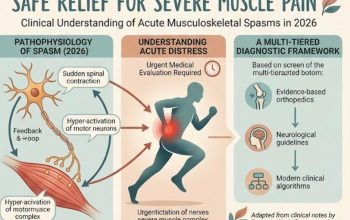
Every week in my pain clinic, I meet someone who has been taking ibuprofen or acetaminophen at maximum doses for months and feels like they’re losing ground. They’re not imagining it, and they’re not weak. Pain that shrugs off first-line analgesics usually has a mechanism those drugs were never designed to touch. The fix isn’t a bigger dose it’s a smarter diagnosis and a different toolkit. Here at Health Lifestyle Tea, in Denver we frequently meet people who have been taking ibuprofen or acetaminophen at maximum doses for months and feel like they’re losing ground.
This article walks through how clinicians escalate pain treatment responsibly, what the current evidence supports, and where medications like tramadol genuinely fit and don’t fit in that hierarchy.
Why First-Line Painkillers Fail: The 2026 Clinical Picture
NSAIDs and acetaminophen work primarily on peripheral inflammation and mild nociceptive signaling. When they stop working, the problem has usually moved upstream into the nerves or the central nervous system itself.
The Three Pain Mechanisms That Matter
Modern pain medicine classifies pain by mechanism, not just location. Getting this classification right is the single most important step before escalating therapy.
Nociceptive Pain
This is “tissue damage” pain arthritis, fractures, post-surgical inflammation. It responds reasonably well to NSAIDs early on, but chronic inflammatory states often outpace them.
Neuropathic Pain
Caused by nerve damage or dysfunction diabetic neuropathy, sciatica, post-herpetic neuralgia. This is the category where patients most often tell me, “Nothing over the counter even touches it.” They’re right. NSAIDs have almost no effect on damaged nerve signaling.
Burning, electric-shock sensations, pins and needles, or pain triggered by light touch (allodynia). When I hear these descriptors in a consultation, I stop thinking about anti-inflammatories entirely.
Nociplastic Pain
The newest formally recognized category pain arising from altered central processing without clear tissue or nerve damage. Fibromyalgia is the classic example. These patients have often cycled through a medicine cabinet’s worth of failed analgesics before anyone names the actual problem.
Central Sensitization: When the Alarm System Rewires Itself
Persistent pain physically changes the spinal cord and brain. The dorsal horn becomes hyperexcitable; descending inhibitory pathways weaken. One patient of mine a warehouse manager two years out from a back injury had pain spreading well beyond the original injury site. Imaging showed nothing new. His nervous system had simply learned to amplify. Treating him with stronger anti-inflammatories would have been pointless; what worked was an SNRI plus graded physical therapy. The WHO analgesic ladder, originally built for cancer pain, has evolved into a more flexible, mechanism-based framework. Here’s how escalation looks in practice today.
Optimize Before You Escalate
Roughly a third of the “refractory” patients referred to me aren’t actually refractory they’re under-dosed, inconsistently dosed, or taking the wrong first-line drug for their pain mechanism. Before anything stronger enters the conversation, we verify:
- Correct drug class for the pain mechanism
- Adequate dose and duration of trial
- Realistic adherence (missed doses are extremely common)
- Interacting medications blunting the effect
Antidepressants With Analgesic Action
Duloxetine carries FDA approval for diabetic neuropathy, fibromyalgia, and chronic musculoskeletal pain. The analgesic effect is independent of mood it works by strengthening descending pain inhibition in the spinal cord. Older, cheaper, and still effective for neuropathic pain at low doses. Anticholinergic side effects limit their use in older adults, which is why I rarely prescribe them past age 70.Gabapentin and pregabalin calm hyperexcitable nerve membranes by binding the α2δ subunit of voltage-gated calcium channels. They’re first-line for neuropathic pain in every major 2026 guideline. My practical advice from years of titrating these drugs: start low, go slow. Most treatment failures I see are patients who were pushed to full dose in a week, got dizzy and foggy, and quit. High-concentration capsaicin 8% patches and lidocaine 5% patches deliver meaningful relief for localized neuropathic pain with almost no systemic exposure an underused option, in my experience, especially for post-herpetic neuralgia.
Pain Treatment in 2026: Start With Reassessment
Painkillers treat symptoms, but they do not identify why pain is happening. If pain is severe, worsening, or lasting longer than expected, a healthcare professional may need to reassess the diagnosis before changing the medicine.
The U.S. Centers for Disease Control and Prevention (CDC) describes acute pain as lasting less than a month, subacute pain as lasting one to three months, and chronic pain as lasting longer than three months. The right plan can differ across those time frames. For example, a short-term injury, nerve pain, and ongoing arthritis may call for different treatments. The CDC’s opioid guideline emphasizes individualized decisions, attention to function, and weighing possible benefits against risks not automatic escalation to an opioid.
What “standard painkillers” usually means
People often use this phrase to mean nonprescription acetaminophen or nonsteroidal anti-inflammatory drugs (NSAIDs), such as ibuprofen or naproxen. These medicines can help with many kinds of pain, but neither is suitable for everyone. Their effectiveness also depends on the type of pain, how the medicine is used, and whether the underlying condition is changing.
The type of pain can shape the treatment
Nociceptive pain
Nociceptive pain arises when tissues are irritated or injured. A sprain, a surgical incision, or an inflamed joint are common examples. Depending on the cause and a person’s medical history, acetaminophen, an NSAID, topical medicine, or a non-drug treatment may be considered.
Clues a person may notice
This pain may feel sore, tender, or throbbing and may be linked to movement or pressure on the affected area. These clues are not enough to diagnose its cause; a clinician may still need to examine the person.
Interventional Procedures
When pharmacology plateaus, targeted procedures often succeed where pills cannot. Epidural steroid injections, medial branch blocks, and peripheral nerve blocks serve both diagnostic and therapeutic roles. A positive diagnostic block tells us precisely which structure generates the pain. For confirmed facet-joint pain, RFA can provide 6–12 months of relief by interrupting the medial branch nerves. I’ve had patients return to work after years of disability following a single well-targeted procedure. Spinal cord stimulation has matured considerably. Current high-frequency and closed-loop systems which adjust stimulation in real time based on spinal cord feedback show durable outcomes for failed back surgery syndrome and painful diabetic neuropathy in recent trial data. Opioids are neither villains nor miracle drugs. They are high-risk, moderately effective tools reserved for carefully selected patients after everything above has been properly tried. That brings us to the drug most patients ask about first.
Tramadol: Where It Fits, What It Does, and How to Obtain It Safely
Tramadol occupies a unique position between conventional analgesics and classical opioids, which is exactly why it’s so frequently prescribed and so frequently misunderstood.
How Tramadol Works
Tramadol is an atypical, dual-mechanism analgesic:
- Weak μ-opioid receptor agonism (primarily via its M1 metabolite)
- Serotonin and norepinephrine reuptake inhibition, similar to an SNRI
That second mechanism gives it modest efficacy against mixed and neuropathic pain components that pure opioids handle poorly. In my practice, tramadol is most useful for moderate pain with a neuropathic flavor in patients who have failed adjuvants but aren’t candidates for or don’t need stronger opioids.
The Risks You Must Know
- Seizure risk, dose-dependent and amplified by other serotonergic or seizure-threshold-lowering drugs
- Serotonin syndrome when combined with SSRIs, SNRIs, MAOIs, or triptans
- Dependence and withdrawal tramadol is a Schedule IV controlled substance in the US for good reason; “weaker opioid” does not mean “safe opioid”
- CYP2D6 variability ultra-rapid metabolizers get stronger opioid effects; poor metabolizers get little analgesia. This genetic lottery explains much of the wildly different patient experiences I hear.
Obtaining Tramadol Legally and Safely
Tramadol requires a valid prescription from a licensed prescriber in the United States there is no legitimate way around this. If your physician prescribes it, you have two safe fulfillment routes:
- Your local licensed pharmacy, where a pharmacist can screen for the serotonergic and seizure-risk interactions noted above.
- An accredited online pharmacy verify NABP accreditation (“.pharmacy” verified sites) or LegitScript certification, confirm a US physical address, and ensure a pharmacist is reachable.
Websites offering tramadol without a prescription are operating illegally, and the counterfeit risk is severe: DEA laboratory analyses have repeatedly found counterfeit opioid tablets containing fentanyl. With tramadol specifically, a counterfeit tablet isn’t just ineffective it can be lethal. If price is the barrier, generic tramadol is inexpensive, and GoodRx-type discount programs or a conversation with your prescriber about alternatives are far safer paths than any unverified seller.
Treatment vs. Prevention of Pain Chronification
| Strategy | Treatment Role | Preventive Role |
|---|---|---|
| Early mechanism-based diagnosis | Directs correct drug class | Prevents months of ineffective therapy |
| Physical therapy / graded activity | Restores function | Strongest evidence for preventing chronification |
| Sleep optimization | Raises pain threshold | Poor sleep predicts chronic pain transition |
| CBT and pain psychology | Reduces pain interference | Lowers catastrophizing, a major chronification risk |
| Opioid stewardship | Controls severe episodes | Short, defined courses prevent dependence |
Movement as Medicine
Graded exercise is the single best-evidenced intervention for chronic low back pain, osteoarthritis, and fibromyalgia. The patients in my practice who improve most are almost always the ones who kept moving, even gently, through flares. One poor night of sleep measurably lowers pain thresholds the next day. I now treat insomnia as aggressively as the pain itself often the pain scores follow the sleep scores downward. Cognitive behavioral therapy and acceptance-based approaches don’t claim the pain is “in your head.” They retrain how the nervous system weighs and responds to pain signals a direct intervention on the central sensitization described earlier.Tramadol: Prescription Use and Online Pharmacy Safety
Tramadol is a prescription opioid medicine in the United States and is classified as a Schedule IV controlled substance. It has opioid activity and also affects serotonin and norepinephrine signaling. A prescriber may consider it for pain when other treatments are inadequate or unsuitable, but its “atypical” mechanism does not make it risk-free.[2]
Benefits and expected effects
When prescribed appropriately, Tramadol may reduce pain enough to help a person function during a defined treatment period. The benefit is individual and cannot be guaranteed. It should not be started because an over-the-counter medicine failed without first discussing the cause of pain and other treatment options with a qualified prescriber.
Tramadol can cause nausea, constipation, dizziness, and sleepiness. More serious risks include slowed or difficult breathing, dependence, misuse, and overdose. A person who is difficult to wake, has very slow or shallow breathing, or has blue or gray lips needs emergency help. Call 911; if naloxone is available and an opioid overdose is suspected, use it according to its instructions.
Interactions and health conditions require review
Tell the prescriber and pharmacist about all prescription medicines, over-the-counter products, and supplements. Tramadol can interact with medicines that affect serotonin, including some antidepressants, and may increase the risk of serotonin syndrome or seizures. Some medicines also change how the body processes Tramadol.
Alcohol, benzodiazepines, sleep medicines, and other drugs that slow the central nervous system can raise the risk of dangerous sedation and breathing problems. Do not combine them with Tramadol unless the prescriber has reviewed the combination and given you specific directions.
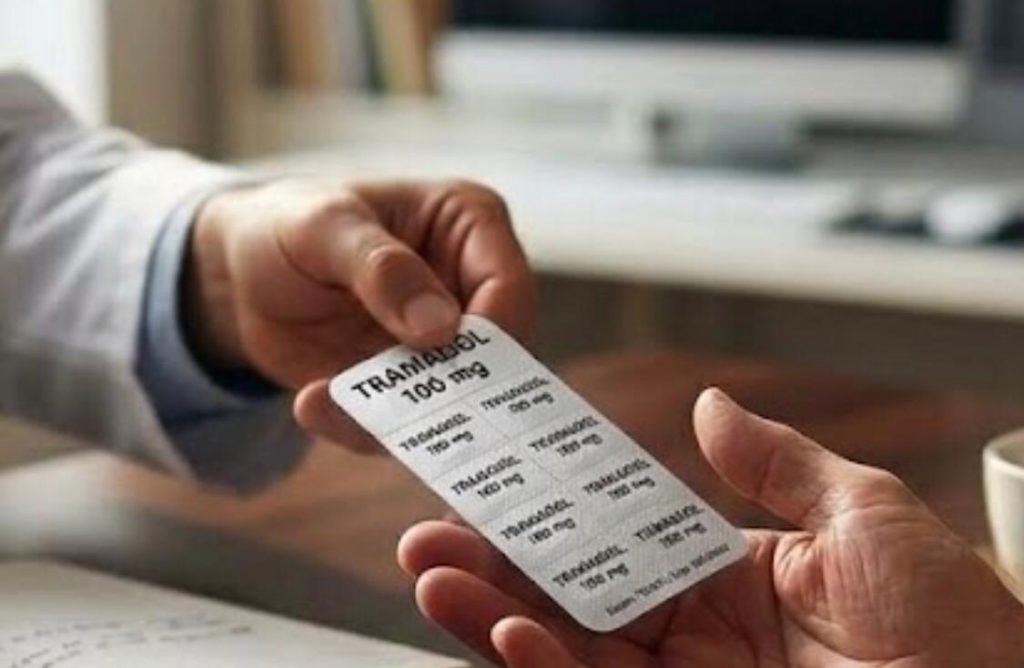
People with breathing problems, a seizure history, or certain liver or kidney conditions may need a different plan. Tramadol has age-related restrictions, including restrictions for children and adolescents. People who are pregnant, planning pregnancy, or breastfeeding should discuss treatment with a healthcare professional before use. FDA labeling provides detailed warnings and should be reviewed by the prescriber and dispensing pharmacist.[2]
Filling a tramadol prescription online
If a clinician has prescribed tramadol, fill it only through a licensed pharmacy that requires a valid prescription. A search such as buy Tramadol online Safeli, should lead to a properly licensed pharmacy not a seller offering the drug without a prescription.
Before ordering:
- Check the pharmacy’s license with the pharmacy board in the state where it operates.
- Confirm that it requires a valid prescription and provides access to a pharmacist.
- Be wary of sites that hide their location, offer prescription tramadol without a prescription, or pressure you to pay through unusual channels.
- Use FDA’s BeSafeRx guidance and NABP’s Safe Pharmacy resources to help assess an online pharmacy.[3]
- Ask the prescriber or pharmacist about generic Tramadol, insurance coverage, and refill timing.
A website cannot determine whether Tramadol is suitable for you or safely resolve a drug interaction. There is no safe shortcut around a medical assessment or a valid prescription. Do not use another person’s medicine, buy from social media sellers, or stockpile medication in an effort to secure an extra supply.
Preparing for a Pain Appointment
A short record can make a visit more useful. Note where the pain is, when it began, what makes it better or worse, and how it affects sleep, movement, and everyday tasks. List every medicine and supplement you have tried, including the dose and any side effects.
Questions to consider include:
- What might be causing this pain, and what signs would mean I need urgent care?
- Which treatment is most appropriate for my diagnosis and medical history?
- What benefit should I expect, and when should we reassess?
- What side effects or interactions should I watch for?
- If a prescription is recommended, how long should I take it and what is the plan for stopping or tapering?
A clear plan gives both patient and clinician a way to judge whether treatment is helping. Pain relief matters, but so does safer movement, better sleep, and a return to meaningful activities. Just as chronic pain management requires looking beyond standard painkillers, modern mental health care often calls for a deeper look at how neurological balance and emotional well-being intersect.
Frequently Asked Questions
What should I do first when over-the-counter painkillers stop working?
See a physician for a mechanism-based pain evaluation before taking anything stronger. The reason OTC drugs fail is usually a neuropathic or centralized pain component that requires a completely different drug class, not a higher dose.
Is tramadol stronger than ibuprofen?
Yes Tramadol is a prescription opioid-class analgesic, markedly stronger than ibuprofen for moderate pain. It also carries risks ibuprofen does not: dependence, seizures, and serotonin syndrome, which is why it’s a controlled substance requiring medical supervision.
Can I get prescription tramadol through an online pharmacy?
Yes, but only with a valid prescription through an NABP- or LegitScript-accredited pharmacy. Any website selling tramadol without a prescription is illegal, and counterfeit opioid tablets from such sources have repeatedly been found to contain fentanyl.
What is central sensitization and can it be reversed?
Central sensitization is an amplification of pain signaling within the spinal cord and brain, and yes it is often partially reversible. Treatments with evidence include SNRIs, gabapentinoids, graded exercise, CBT, and sleep restoration; reversal takes months, not days.
When are interventional procedures better than more medication?
When a specific anatomical pain generator is confirmed by a diagnostic block, procedures like radiofrequency ablation typically outperform further drug escalation. They treat the source directly and avoid systemic side effects and dependence risks.