Prepared for HealthyLifestyleTea.com readers in Denver. This is a patient education draft, not a verified clinical record. The patient scenario below is a labeled composite, and a Colorado licensed clinician.
Anxiety and Panic in 2026: What Has Shifted
Two things about anxiety care have genuinely changed in the past few years. First, digital cognitive behavioral therapy has become widely available and, in many health systems, is offered before medication rather than after it fails. Second, prescribers have grown markedly more cautious about generic Valium especially short acting ones because the evidence on dependence, falls, and overdose risk when combined with opioids has become impossible to ignore. Anxiety and panic attacks represent some of the most destabilizing experiences a person can endure.
In my daily clinical work and through discussions on Health Lifestyle Tea in Denver Colorado I frequently consult with individuals who describe sudden surges of autonomic terror: chest tightness, air hunger, paroxysmal tachycardia, and an overwhelming dread of impending doom. Many have spent hours in emergency departments, convinced they were experiencing an acute myocardial infarction, only to be discharged with normal cardiac biomarkers and an ambiguous referral for stress management. At the same time, the volume of people searching for fast chemical relief has risen, not fallen. That gap between what works and what people reach for is where most of the trouble in this area begins.
Anxiety and Panic Are Not the Same Event
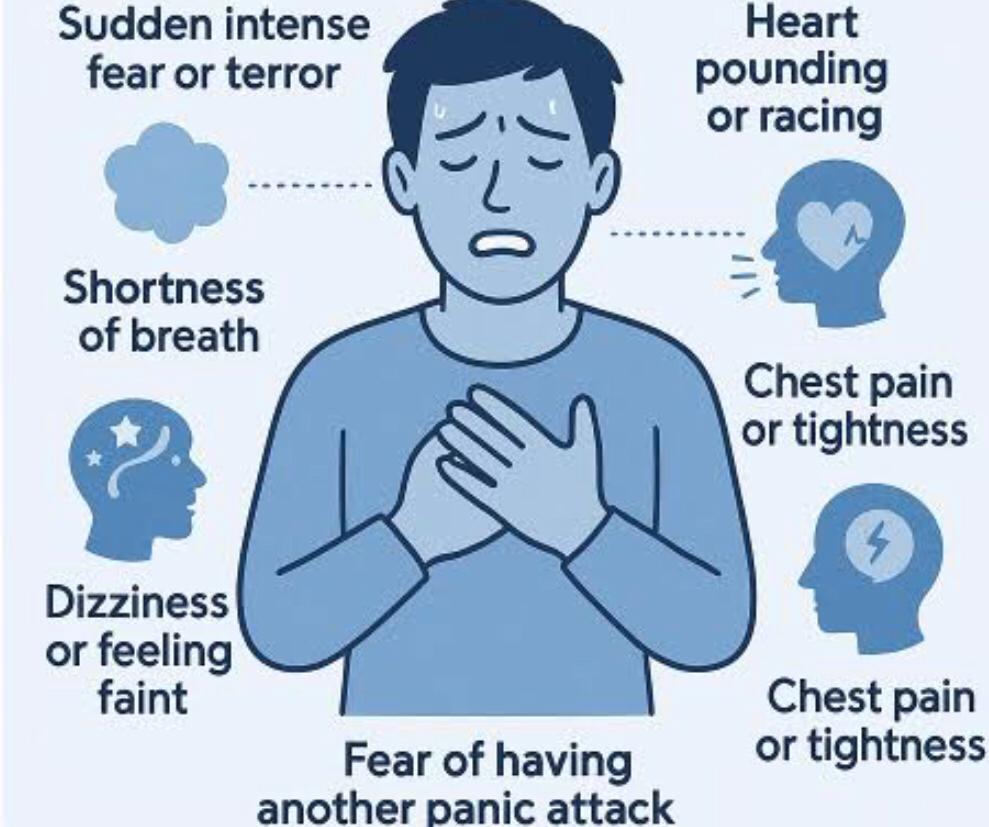
People use these words interchangeably, and the confusion has real clinical consequences. Generalized anxiety disorder (GAD) involves excessive, hard to control worry across several areas of life, present most days for at least six months. It arrives gradually. Physical signs include muscle tension, restlessness, fatigue, poor concentration, irritability, and disrupted sleep. A panic attack is an abrupt surge of intense fear that peaks within minutes. Symptoms can include a pounding heart, sweating, trembling, shortness of breath, chest tightness, dizziness, nausea, numbness, chills or heat, a sense of unreality, and fear of dying or losing control.
A single panic attack does not establish panic disorder. The diagnosis requires recurrent unexpected attacks plus at least a month of persistent worry about further attacks or significant behavior change avoiding driving, exercise, crowds, or anywhere escape might feel difficult.
Distinguishing the Two Presentations
| Feature | Generalized Anxiety | Panic Attack |
|---|---|---|
| Onset | Gradual, over months | Abrupt, peaks in minutes |
| Duration | Persistent, most days | Minutes to about an hour |
| Core symptom | Uncontrollable worry | Surge of acute fear and body symptoms |
| Common behavior change | Procrastination, over-preparation | Avoidance of places or sensations |
| First-line treatment | CBT, SSRIs/SNRIs, activity | Panic-focused CBT with exposure |
Denver Factors That Shape Anxiety
Practicing here means watching environment interact with physiology in ways that coastal clinicians may see less often. Denver sits near 5,280 feet. Newcomers commonly notice breathlessness on stairs, a faster resting heart rate, and lighter sleep during acclimatization. For someone already prone to anxiety, those sensations arrive without context. A racing heart on a flight of stairs gets interpreted as a cardiac event rather than thin air.
Persistent breathlessness at rest, chest pain, fainting, or breathlessness that worsens over weeks rather than improving deserves medical evaluation. Anxiety is a reasonable explanation only after the dangerous alternatives have been considered not as a shortcut past them.
Cannabis, Caffeine, and Sleep Debt
Colorado’s legal cannabis market is part of the local landscape. High-THC products can provoke panic, particularly in edible form where absorption is delayed and dosing is easy to overshoot. Energy drinks and pre-workout supplements stack caffeine with other stimulants and reliably mimic anxiety symptoms. Short winter days reduce morning light exposure, which can shift circadian timing and worsen both mood and sleep. A 20-minute morning walk, even under cloud, does more for most people than another supplement.
A Composite Denver Case
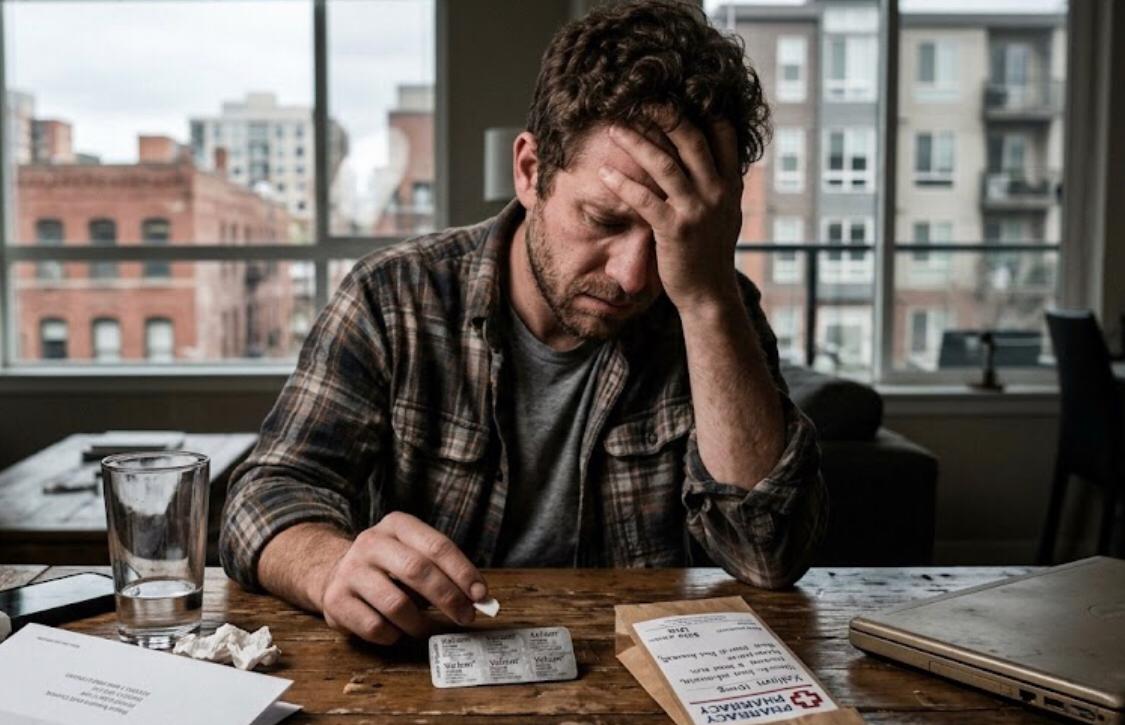
Consider a hypothetical 34-year-old who relocated for work. Within a month he developed nighttime episodes of racing heart, sweating, and certainty that something was catastrophically wrong. Emergency evaluation found nothing acute. On review, he was drinking three energy drinks daily, using high dose cannabis edibles to sleep, and sleeping five hours.
A reasonable plan would not open with a sedative. It would address the stimulant load, the cannabis, and the sleep schedule, teach him what altitude does to normal heart rate, and start structured CBT. In this composite scenario, that approach resolved the episodes. This is an illustration of clinical reasoning, not a report of a real patient.
The Physiology Behind the Experience
The amygdala detects threat and coordinates the body’s response. The ventromedial prefrontal cortex and anterior cingulate normally provide top-down inhibition, allowing fear to subside once safety is confirmed. In anxiety disorders, imaging studies consistently show weakened functional coupling between these regions the brake is underpowered relative to the accelerator.
Rapid breathing blows off carbon dioxide, raising blood pH. Ionized calcium falls, producing tingling in the hands and face, dizziness, and lightheadedness. Those very sensations then confirm the person’s belief that something is dangerously wrong.
Interoceptive Misinterpretation
This is the engine of panic disorder. A benign sensation a skipped beat, a swallow, a moment of dizziness gets read as evidence of catastrophe. The resulting fear produces more adrenaline, which produces more sensation, which produces more fear. The loop closes within seconds. Reassurance works briefly, then fades, and often becomes a compulsion the person needs repeated. Exposure based treatment works differently: it teaches the nervous system through direct experience that the sensations are survivable.
Getting the Diagnosis Right
Anxiety disorders and clinical guide is a diagnosis of pattern and timing, not a default. Conditions that regularly present as anxiety include hyperthyroidism, arrhythmias such as paroxysmal supraventricular tachycardia, asthma, anemia, hypoglycemia, pheochromocytoma (rare), and obstructive sleep apnea.
Typical workup includes thyroid stimulating hormone, a complete blood count, a metabolic panel, and an electrocardiogram when palpitations are prominent. Sleep apnea screening matters in anyone who snores, wakes unrefreshed, or reports daytime sleepiness.
Standardized Measures
The GAD-7 grades anxiety severity and tracks response. The Panic Disorder Severity Scale captures attack frequency, anticipatory fear, and avoidance. These instruments measure; they do not diagnose on their own. CBT remains the best-supported psychological treatment for both GAD and panic disorder. Core components include psychoeducation, cognitive restructuring of catastrophic interpretations, and for panic interoceptive exposure.
What Interoceptive Exposure Looks Like
Deliberately producing the feared sensation in a controlled way: spinning in a chair for dizziness, breathing through a narrow straw for breathlessness, stepping in place for a raised heart rate. Repeated safely, the sensation stops functioning as a warning signal. This should be guided by a trained clinician, with medical clearance when cardiac or respiratory disease is present.
Selective serotonin reuptake inhibitors and serotonin-norepinephrine reuptake inhibitors are first line pharmacotherapy for both GAD and panic disorder. Benefit typically develops over four to eight weeks, with fuller effect by twelve. Starting at a low dose reduces the transient activation some people experience in the first two weeks.
Why Benzodiazepines Are Not First Line
They work fast, which is exactly the problem. Regular use produces tolerance, and short acting agents can cause rebound anxiety between doses that drives escalation. They also carry dependence risk, withdrawal seizures on abrupt cessation, and dangerous respiratory depression when combined with opioids, alcohol, or other sedatives.
Valium: Narrow Role, Serious Risks, and Safe Access

Valium is the brand name for Diazepam, a long-acting benzodiazepine and a federal Schedule IV controlled substance. It is FDA-approved for anxiety disorders, short term relief of anxiety symptoms, alcohol withdrawal, muscle spasm, and certain seizure disorders. It is not first line treatment for panic disorder, and current guidance favors benzodiazepines only for brief, carefully selected use typically while a first line agent takes effect, or for a specific short term crisis. Diazepam’s long half life and active metabolites mean it accumulates, which raises fall and sedation risk in older adults; the American Geriatrics Society Beers Criteria advise avoiding benzodiazepines in that population.
Patients sometimes search how to order Diazepam prescription after a single frightening night. That impulse is understandable and usually a poor guide. Diazepam requires a clinical evaluation that screens for breathing disorders, substance use, pregnancy, liver disease, and interacting medications none of which a checkout page performs. If a licensed prescriber determines that a short course is appropriate, buy prescription Valium only through a pharmacy licensed in your state that verifies the prescription with the prescriber, publishes a physical U.S. address, and offers direct pharmacist access.
Before you get Valium (Diazepam)10mg from any online seller, check licensure through the Colorado State Board of Pharmacy, use NABP’s pharmacy verification resources, and review the FDA’s BeSafeRx guidance. Treat as disqualifying any site offering diazepam without a prescription, concealing its location, or promising “no questions asked” delivery counterfeit benzodiazepine tablets have been found to contain fentanyl and unapproved designer compounds, and a single tablet has killed people who thought they were buying pharmacy grade medication. Telehealth rules for controlled substances have changed repeatedly; confirm current federal and Colorado requirements with your clinician rather than with a vendor.
Recovery Habits That Hold Up
Slow breathing with a longer exhale than inhale reduces sympathetic drive within minutes. It is a skill, not a cure, and it works best as one part of a plan. Fixed wake times, morning outdoor light, and a caffeine cutoff by early afternoon support the same system. Name your three earliest warning signs waking at 4 a.m., cancelling plans, checking your pulse repeatedly. Write down who to call and what to do before those signs appear. Early contact with a clinician is far easier than waiting out a full episode.
Frequently Asked Questions
What is the difference between an anxiety attack and a panic attack?
A panic attack is an abrupt surge of intense fear that peaks within minutes, while an anxiety attack is a slower buildup of worry and physical tension tied to an identifiable stressor.
Can panic disorder improve without medication?
Yes, panic focused cognitive behavioral therapy with exposure effectively treats panic disorder without medication for many people, though severe or comorbid presentations may benefit from combined treatment.
Is Valium a standard treatment for panic attacks?
No, Valium is not first line treatment for panic disorder and is generally reserved for brief, selected use because of dependence, sedation, and overdose risks.
Where can I safely buy prescription Valium online?
Only through a state-licensed pharmacy that requires a valid prescription from a licensed prescriber and provides pharmacist access; verify licensure through your state board of pharmacy or FDA BeSafeRx before ordering.
When does anxiety require urgent medical care?
New chest pain, fainting, severe breathlessness, or neurological symptoms need emergency assessment rather than an assumption of anxiety; call 911 for emergencies or 988 for suicidal thoughts.